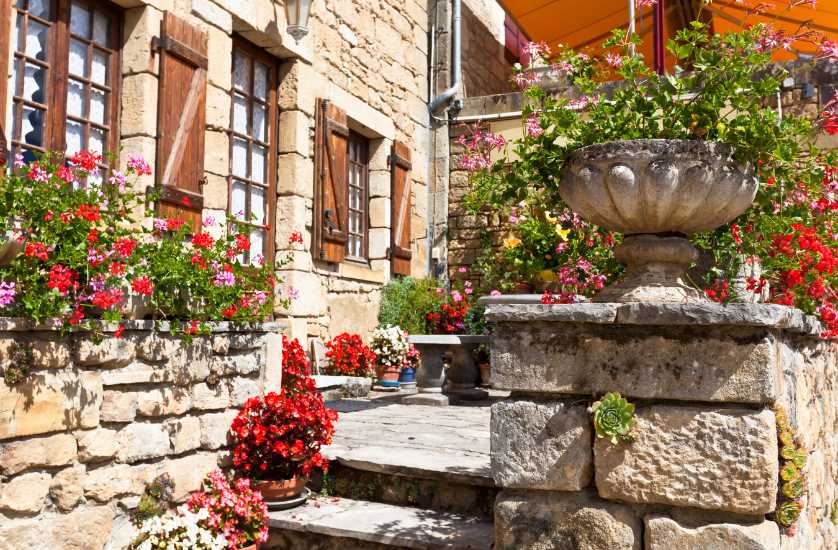
Antique jardinières are among the most charming decorative items for the home. Originally designed to display plants elegantly indoors, they are now often repurposed as decorative pieces themselves. In this guide, we will cover their style, history and how they can be used as statement pieces today.
What is a jardinière?
In its simplest form, a jardiniere is a decorative container for plants, often used indoors. They’re relatively easy to differentiate from standard plant pots, as they are more ornamental and are frequently paired with stands or liners. Most jardinières are ceramic pots or urns, and they are most commonly used in traditional interiors and grand homes.
Note: The term ‘jardiniere’ is a French word, from the feminine form of ‘gardener’. In English, it means a decorative flowerbox or planter.
A brief history of jardinières
Jardinieres found popularity during the Victorian and Edwardian periods, when indoor plants became fashionable. They were often used in drawing rooms, conservatories, and entrance halls, helping to tie in with the wider love of decorative craftsmanship and statement interior pieces. Whether crafted from ceramics, metals or stone, each jardiniere’s decoration tells a unique story.
Their primary purpose was to transform indoor spaces by housing potted ferns, plants, and flowers, often hiding the terracotta planter pots inside. Larger versions, particularly those made using glazed ceramic, acted as decorative fish bowls for goldfish. The Chinese and Romans popularised this function.
Popular antique jardinière styles and materials
There are a few notable styles and materials that are commonly used to craft jardinières. Here are some examples:
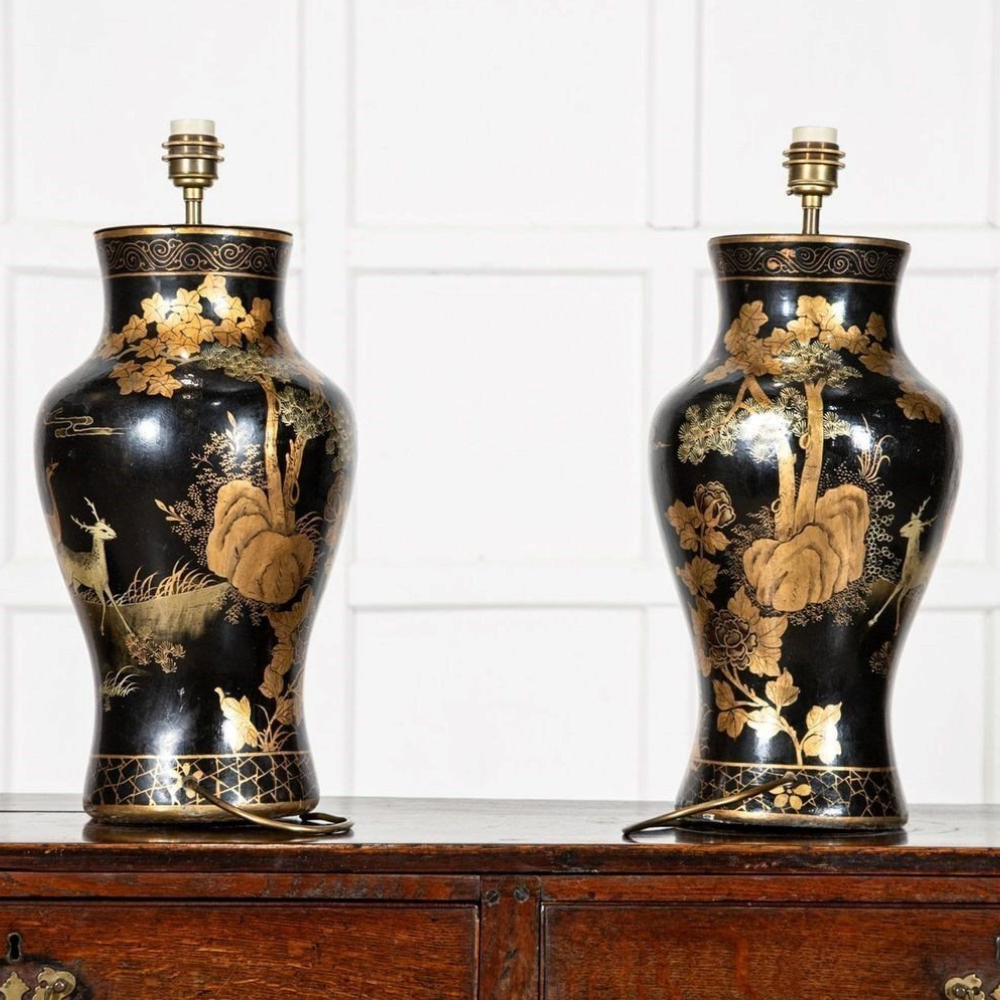
Ceramic and porcelain – These are often hand-painted or patterned, sometimes with gilt detailing.
Brass and copper – Includes warm tones, often embossed or engraved.
Cast iron – Very sturdy and decorative, sometimes with classical motifs.
Majolica or glazed pottery – Use of rich colours and textured designs.
Planters with stands – These elevated pieces add height and drama to your space.
Some of the most common design influences include floral, classical, Art Nouveau and chinoiserie.
How to style an antique jardinière at home
There is no limit to where you can use antique jardinières in your home, but they work best in hallways, bay windows, fireplaces, sideboards, and on dining tables. When implementing them into your space, consider balance and scale. Use them as focal points while avoiding overcrowding.
When it comes to styling your jardinière, there are many options you can try. For example, using it as a plant container with an inner liner is a great functional way to use your antique, or simply to display trailing greenery for softness and to create seasonal arrangements. Try mixing in modern elements and decor for contrast to create a curated look.
What to look for when buying an antique jardinière
Some key things to look for when buying an antique jardinière are cracks, chips, repairs, stability and patina. There are also some easy ways to determine a piece's authenticity and age, including checking that the wear is consistent with use, examining its craftsmanship in more detail, and locating maker's marks wherever possible. Look into the weight, size, drainage, and whether a liner is required to protect surfaces for your jardinières.
So why do jardinieres remain so desirable? They're a mix of practicality and decoration, full of character, making them the perfect addition to your space.