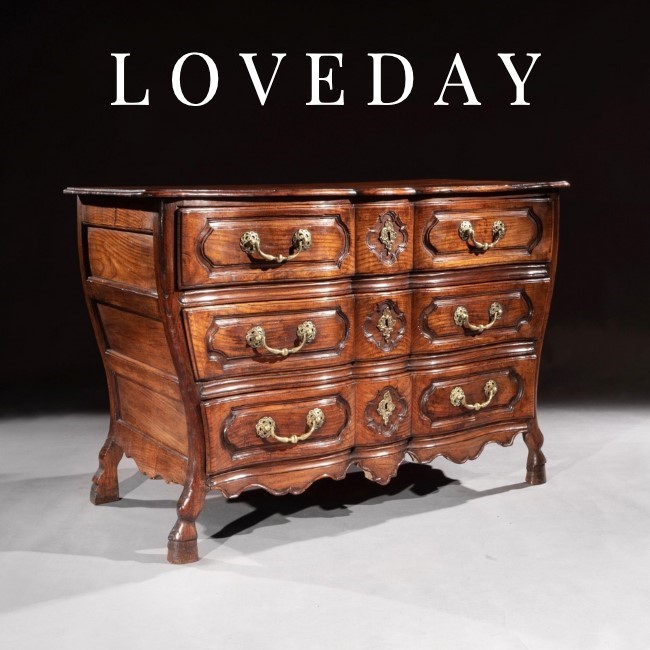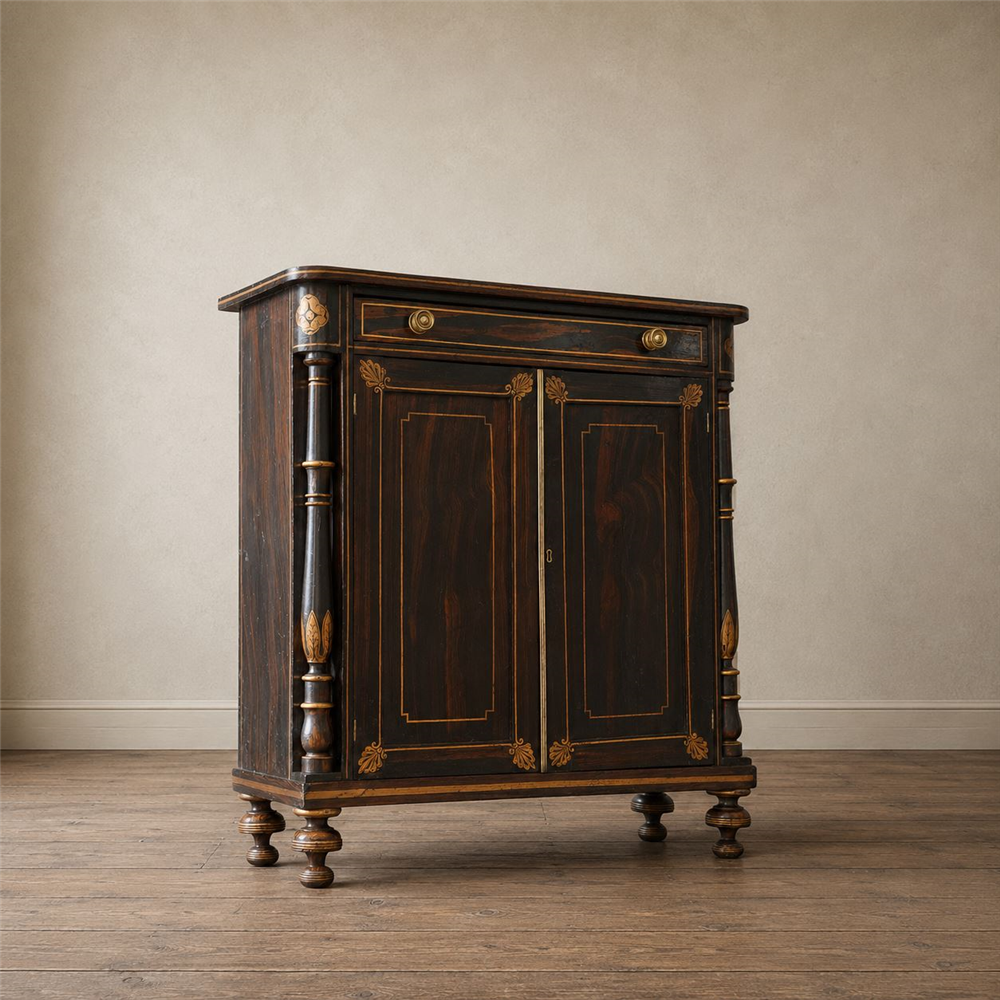
Pine furniture is a timeless choice, loved for its warmth and rustic charm. While this material is often a popular choice for antique and vintage pieces, there are some considerations to keep in mind. In this guide, we will explore the pros and cons of pine furniture to help you decide if it's the right choice for you.
The charm of antique pine furniture
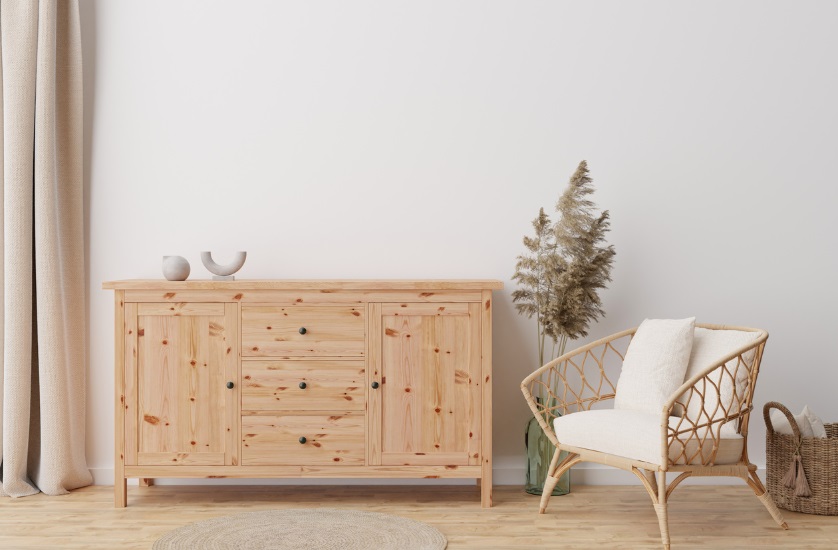
So, what makes pine so appealing? Pine has a lot of natural character, with its light, warm tones and visible grain. It can also work in both traditional and modern interiors, due to its versatility, often carrying a rustic, well-loved appearance that tells a story. Pine's lighter finish can brighten spaces, making it the ideal choice for cottages, farmhouses or Scandinavian-inspired homes.
Type of pine wood
Pine is typically classified as a softwood, but it is split into two subcategories: soft pine and hard pine.
Soft pine
Often referred to as white pines, these pines are softer, lighter, and finer in texture, with an even grain and a gradual transition between spring and summer wood. Some examples include Eastern White Pine, Sugar Pine, Western White Pine and Pinyon Pine. Soft pines are often used to craft furniture and panelling.
Hard pine
Sometimes called yellow/red pines, hard pine is denser and harder, with more distinct growth rings, uneven grain, and a yellow colour. Some examples of hard pine include Southern Yellow Pine (Longleaf, Loblolly), Ponderosa Pine and Scots Pine. Hard pines are most typically used for flooring, construction, structural beams and heavy-duty projects.
The pros of choosing pine
Affordability: Pine is typically more cost-effective than hardwoods such as oak or mahogany.
Lightweight and easy to move: it’s ideal for flexible interiors.
Easy to refinish or paint: Pine allows for easy customisation and upcycling.
Sustainability: Pine is fast-growing and renewable, making it an eco-conscious choice.
Natural character: Knots, texture, and patina add warmth and individuality to each piece.
The cons to consider
Softwood nature: Pine is a softwood, making it more prone to dents and scratches than hardwoods.
Requires care: Pine furniture is best kept away from moisture and excessive heat.
Colour can change over time: It can develop a deeper honey tone or fade with sunlight.
Less formal look: Pine may not suit all interior styles, especially highly polished or opulent rooms.
Is pine furniture right for you?
Pine is best suited to those who appreciate natural beauty, rustic charm and relaxed living spaces. It’s highly practical for family homes, holiday cottages, and vintage-inspired interiors, and pairs well with materials such as metal or stone to create contrast in your space. Antique pine pieces offer both authenticity and longevity when properly cared for and maintained.
Using pine furniture in your home
Pine furniture combines charm, affordability, and character, making it ideal for homes that value warmth and simplicity. Finding the right items for you may be tricky, but once you do, they can be the final pieces that tie your space together.