Many of the Christmas traditions we enjoy today were popularised by Victoria and Albert in the 1800s. Albert brought several of his own traditions from his home in Germany, and they soon became festive staples in ordinary Victorian households.
Christmas dinner was a lavish affair with several courses that ended with a flaming pudding. While the upper echelons of society feasted on turkey, those less well-off settled for meats like goose, long associated with the most famous Victorian family, the Cratchits (A Christmas Carol, 1843).
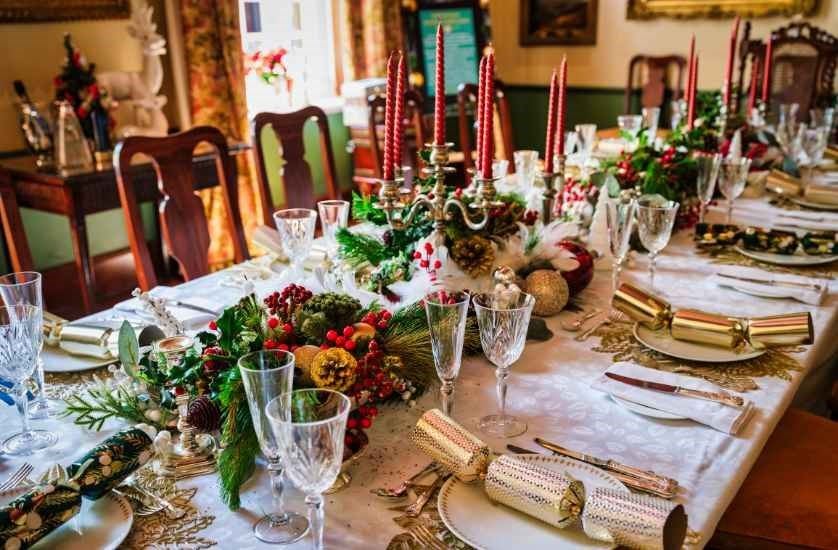
The Victorian Christmas table featured crisp linens, gleaming cutlery, and the household’s best china. Though the Victorians had rules for every aspect of society, only a few are applicable to recreating the perfect Dickensian Christmas table.
Place cards
Formal seating arrangements were central to Victorian dining etiquette. Specifically, the host and hostess sat at opposite ends of the table, with the highest-ranking female guest to the right of the host.
Typically, men and women sat alternately, with married couples separated. Today, there is no need to go to these lengths, but having place cards for Christmas dinner is a subtle nod to 19th-century dining.
Correct cutlery for every course
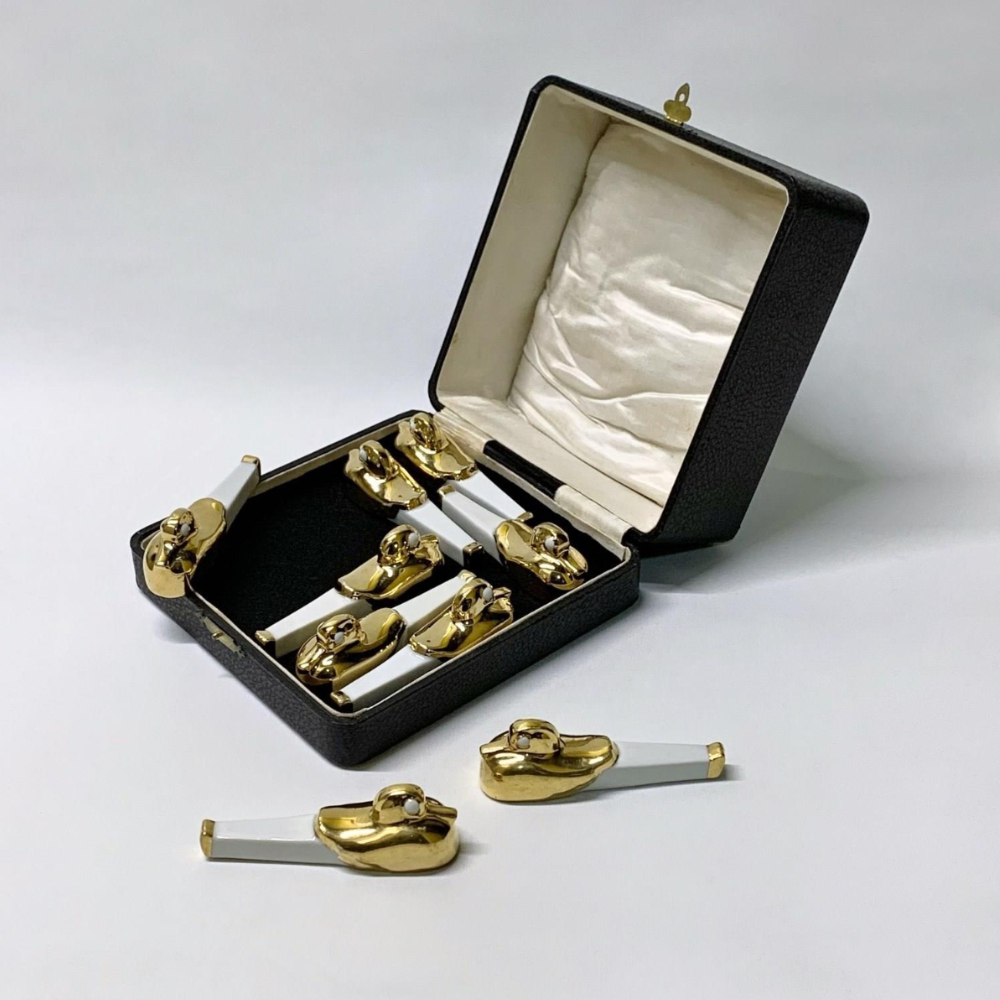
Typically arranged from outside in, according to the order of the courses, the Victorians took great care laying out their cutlery. They had an implement for each dish, from fish forks and butter knives to gleaming silver soup spoons.
Today’s Christmas dinner is typically three courses with a starter, main course, and dessert, rendering the need for this much cutlery pointless. Still, it’s a nice touch to lay out the cutlery you do need according to the tradition.
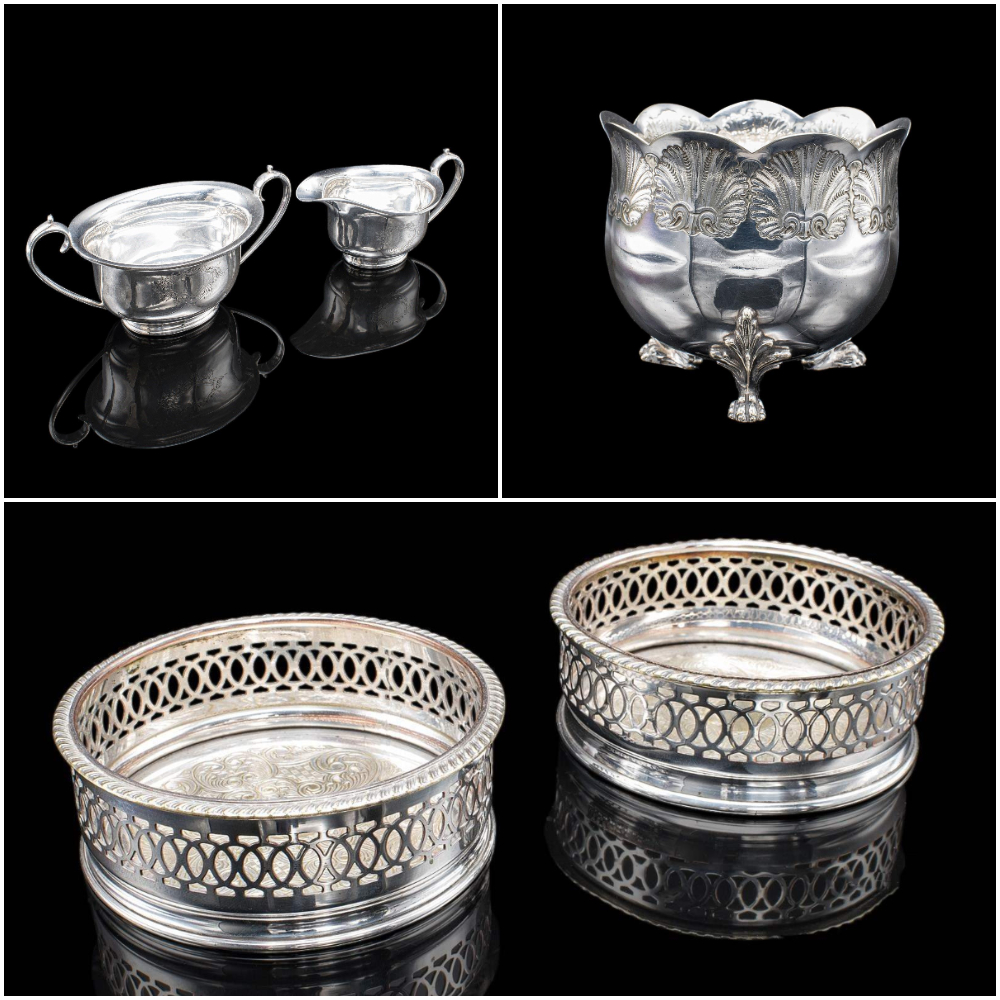
For à la russe service (one course brought after another), the table was set according to the order of dishes. Cutlery was usually silver in wealthier homes, with silver-plated sets a more affordable choice for the growing middle class.
Glassware and drinks
Victorian hosts chose glasses according to the drinks being served. A formal dinner might include different glasses for wines with different courses, while glasses for dessert wine could be brought out later.
Decanters might also be part of the display. For a modern table, a few carefully chosen wine and water glasses, or a vintage decanter, can suggest the period without crowding the table.
Floral centrepieces
A floral centrepiece or a silver candelabra would typically sit in the centre of the table, but would have to share the space with large platters and soup tureens if the serving style of the day was à la française.
À la française is a serving style in which many dishes are placed in the centre of the table at once for guests to help themselves. By the end of the 19th century, à la russe became more popular, leaving more room for a centrepiece.
Hosts might arrange fruit or flowers in a low central bowl, with smaller vases tucked between dishes, keeping the display low enough for diners to see one another. Anything too tall or elaborate would be impractical when the table was crowded with food.
After dinner, guests would enjoy parlour games and port, among other things. Something to consider for your own Christmas celebrations.