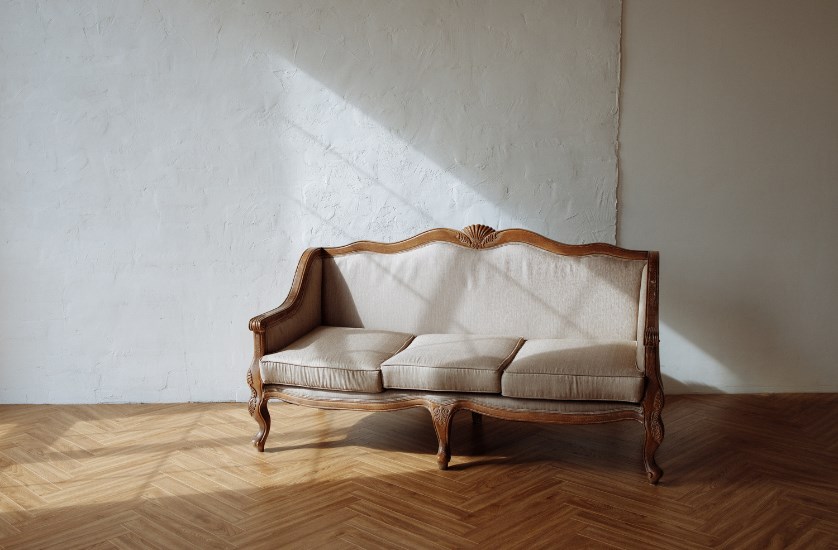
Reupholstering is the best way to breathe new life into antique and vintage furniture. When it comes to sofas, restoration can help restore comfort and aesthetics while preserving their character and sustainability.
In this blog, we will discuss the process of reupholstering and offer tips for successful restoration.
Why reupholster?
There are many different benefits to reupholstering. The main ones include extending the lifespan of quality furniture, customising style and comfort, and supporting sustainable interiors.
Antique furniture was often crafted with solid wood frames and expert construction methods that are superior to those of most modern, mass-produced alternatives.
Think of reupholstering as preserving the skeleton's structural integrity and durability while refreshing worn fabrics and padding.
It is an environmentally conscious choice that reduces waste by keeping old furniture out of landfills while also lowering demand for new, resource-intensive materials used to create modern furniture.
What you’ll need
There are essential tools and materials you will need when reupholstering a sofa. These include fabric, a staple gun, upholstery tacks, webbing, foam or stuffing, scissors, pliers and a screwdriver.
It’s important to choose a durable, suitable fabric and consider professional help for higher-value antiques.
Step-by-step guide
- Start by planning the process and laying out your materials accordingly.
- Carefully remove all the old fabric and padding, and make sure to note how the sofa is constructed.
- Inspect and repair any damage to the frame, springs and webbing if required. It’s important that you do this before cutting any of your filling or fabric to size, as the dimensions of your sofa may shift slightly after you make some repairs.
- Cut the new foam or stuffing to size for both the cushions and arms.
- Measure and cut the new fabric, allowing extra material for the seams and any necessary tucking.
- Attach the fabric, starting with the larger areas and working toward the corners and details. This can be done using a staple gun or upholstery tacks.
- Reassemble the cushions and add any finishing touches, such as the trim or buttons.
Tips for success
To help you with the process, it’s worth taking photos during disassembly and labelling the pieces.
This allows you to work methodically when reassembling your sofa, and helps you track your progress.
You should also make sure to take your time, especially if it’s your first time reupholstering. It’s a long-winded process at first, especially for a beginner, but it's completely worth it once you see the final result.
If you’re not feeling confident enough to tackle a sofa just yet, starting with a smaller project and working your way up to larger pieces is usually best. By following the steps above and taking your time, you are guaranteed a successful final product.
A final thought
Reupholstery isn’t as difficult as it might seem.
As long as you have the right tools, the right information, and a quality piece of furniture that would benefit from some TLC, you’re already halfway to restoring a vintage piece.