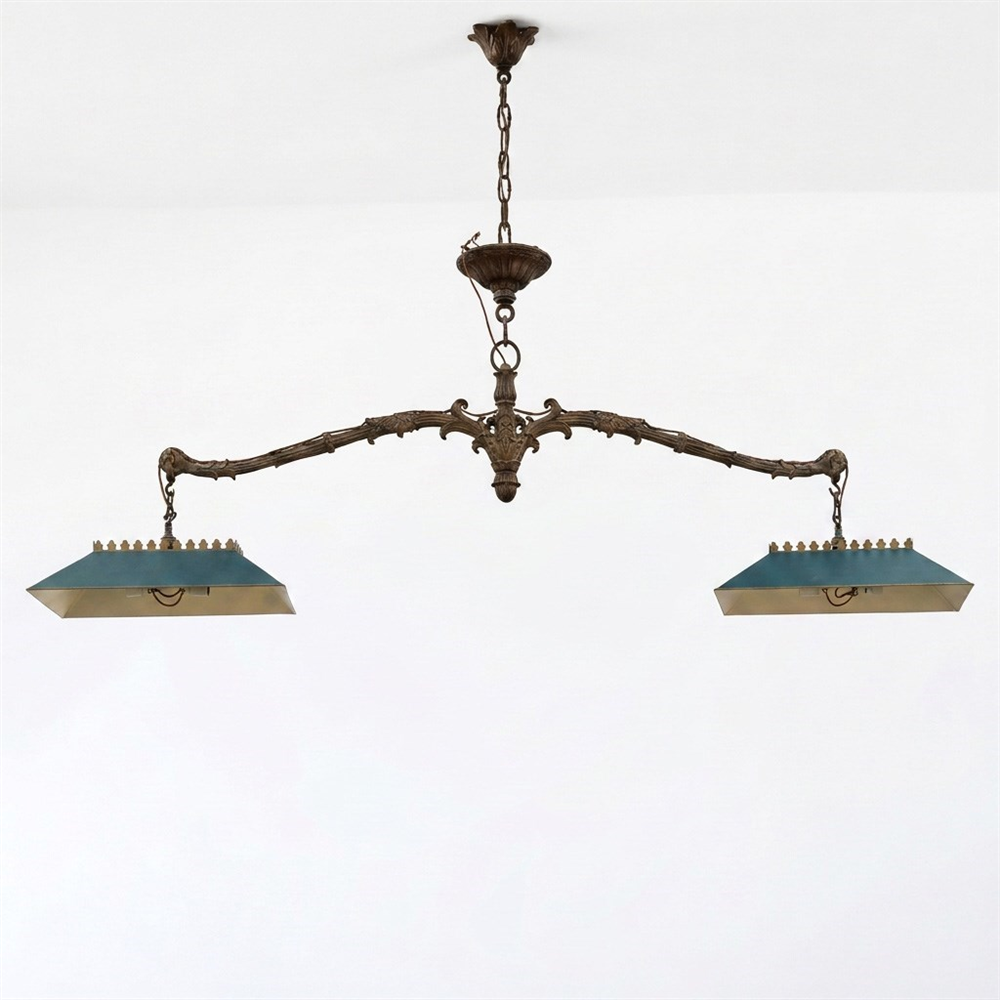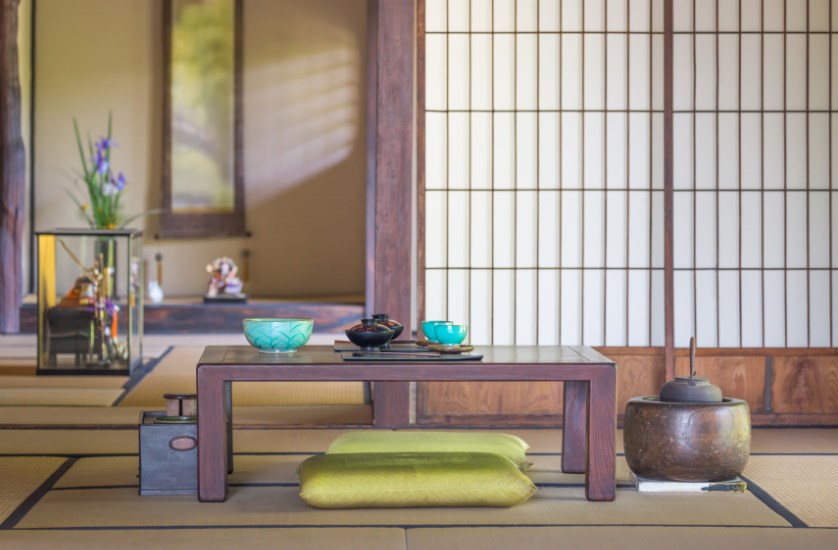
As surprising as it may seem, Japanese antiques fit seamlessly into contemporary interiors. Why? Because at their core, they share the same design principles. Whether it’s simplicity, natural materials, or clean lines that you're looking for, Japanese antiques have it all. In this blog, we’ll cover how to choose the right piece for your space, where to place it, and how to style it with modern furniture, art, paintings, or glassware.
Start with one statement piece
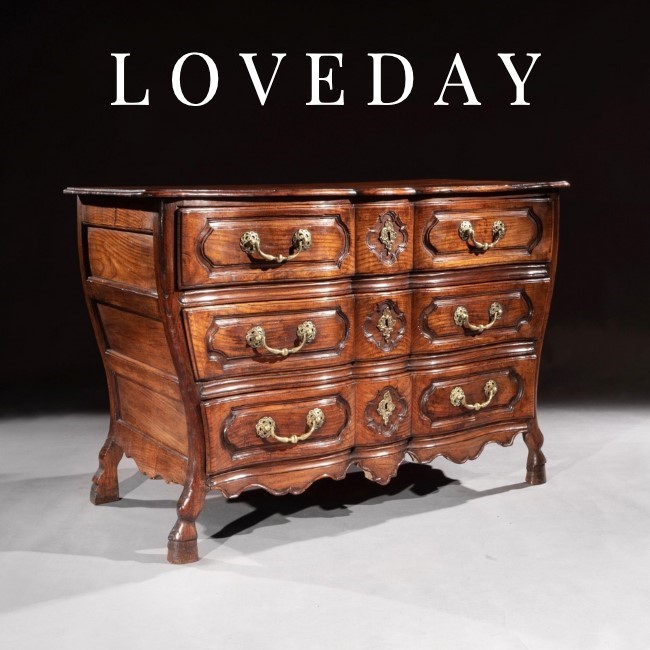
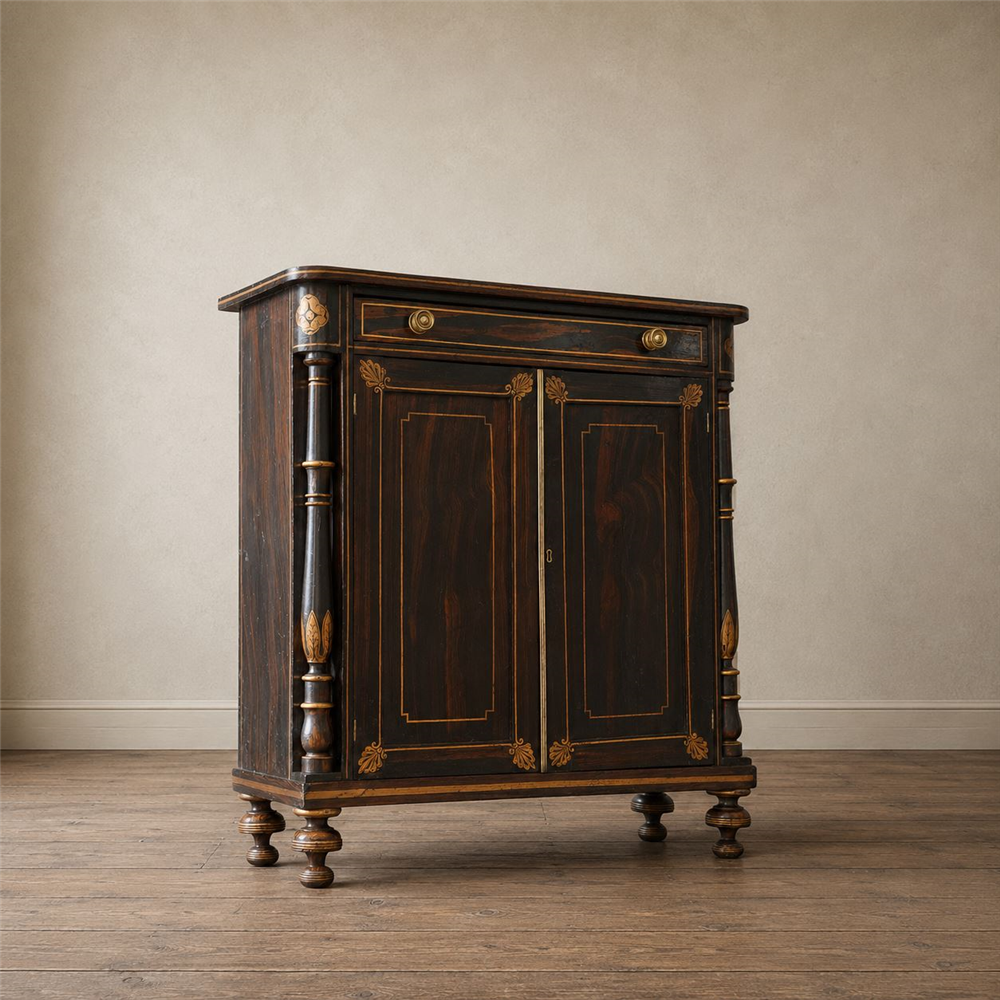
Always start simple. Find one piece you love and work around it. For example, a tansu-style chest, a low cabinet or a console table. These pieces are the perfect way to introduce Japanese antiques into your space while still adding a functional, stylish design element. The simplicity of these antiques also allows you to slowly introduce new design elements, without having to redesign your room completely. Their versatility makes them a great choice for almost any room in your home.
If you're starting from scratch, make sure to give the antique room some breathing room and avoid visual clutter when designing your space. This doesn’t mean a lack of decor; it just allows the furniture to stand out as a conversation piece.
Balance old and new with texture and tone
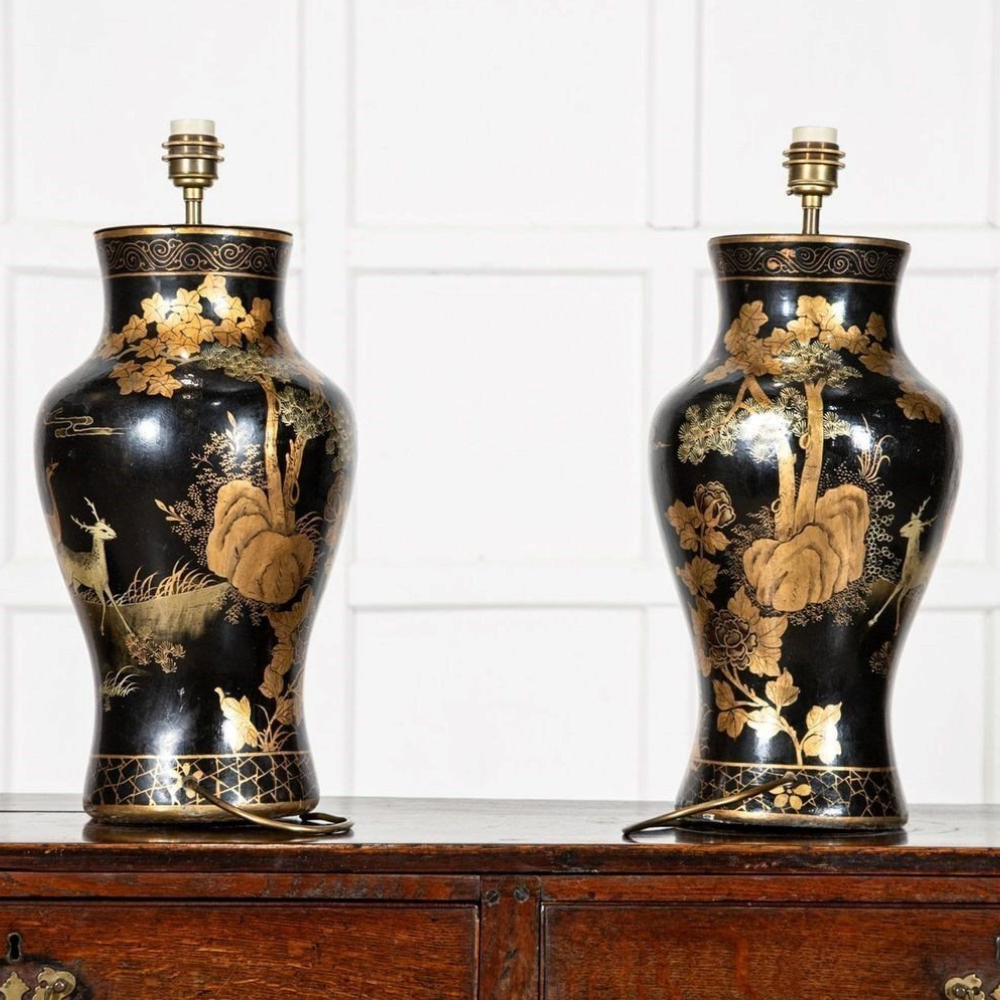
Japanese antiques always pair well with neutral backdrops. Some great complementary materials include linen, wool, raw wood, stone, and matte metals. The key is to keep it as simple as possible. Let the patina, black lacquer, warm-toned woods, and muted reds do the work, and keep the palette tight.
If you want your home to continue to feel modern while introducing antique Japanese pieces, pair them with simpler modern decor, such as seating or ornaments to display on top of the item.
Styling Japanese art and Japanese paintings
There are a variety of ways to style Japanese artwork. The main ones are using a single larger piece as a focal point or creating a small, grouped arrangement with consistent frames. With either method, it’s important to keep the wall calm and avoid overfilling. The last thing you want is to take away from the individuality of Japanese art. It’s also good practice to use picture lights or a warm lamp nearby to help and enhance the atmosphere.
Using Japanese glassware as finishing touches
Japanese glassware is always an effective form of sculptural decor, especially for styling shelves, bar carts, and dining table centrepieces. Consider pairing these pieces with plain ceramics and natural textures for a softer look.
Keeping it simple
The main mistake people make with Japanese antiques is overcomplicating the surrounding decor.
Less is definitely more in this case.
Keep it simple and let the piece speak for itself. Don’t overcomplicate your layout or pairing; let it be the focal point of your space.