Victorian art, specifically oil paintings, is far more accessible than people may think. With a large variety of featured subjects, you can usually find a piece for any space in your home. In this guide, we will cover what to look for, what can affect pricing and how to make your purchase with confidence.
What counts as Victorian art?
All visual arts produced in the United Kingdom during Queen Victoria’s reign (roughly 1837 to 1901) are classed as ‘Victorian art’. This means it covers a wide range of styles and subjects, including hyper-realistic depictions of nature, romantic mythology, and grand historical narratives. The most common genres ranged from portraiture and still-life pieces to seascapes, landscapes, and animal paintings.
Although stereotypical Victorian artwork is usually characterised by highly detailed, narrative-driven scenes, not all of the pieces from this period follow that style. During this time, we saw an influx of new art following the aesthetic movement, which focused on ‘art for art’s sake’. These paintings often emphasised beauty, mood, and harmony over more traditional focuses, such as storytelling or morality.
What to look for when buying
When purchasing an authentic Victorian painting, there are a few fundamental things to look for.
- Condition: Check for flaking, cracking, discolouration, or over-cleaning. While some general wear is expected, heavy damage can affect a piece's value.
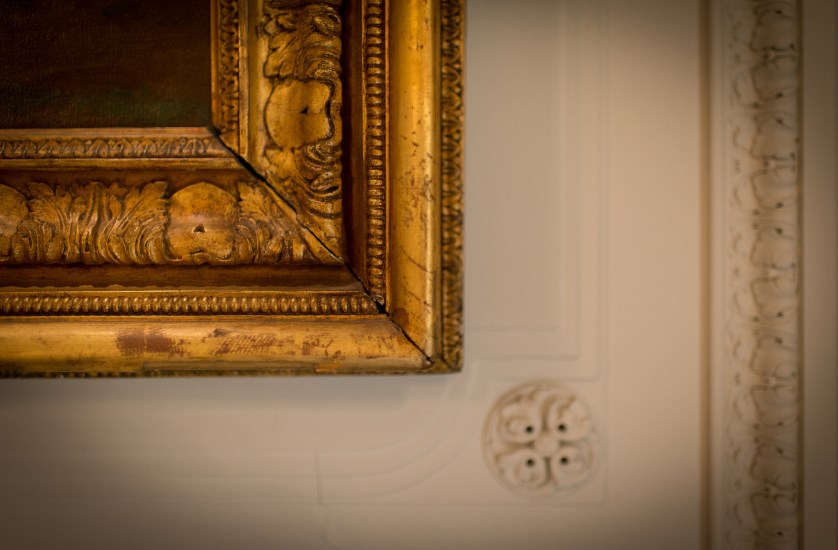
- Frame: Original frames add value but aren't essential. A sympathetic reframe can also work well.
- Signature: Signed works are easier to research, but that doesn’t mean that unsigned works are of poor quality.
- Subject and composition: What draws your eye? Trust your response. Appealing subjects (landscapes, animals, light-filled scenes) tend to hold value well.
- Size: Consider where it will hang. Smaller works are often more affordable and much easier to place.
How is Victorian art value determined?
Many factors can affect pricing for Victorian art.
- Artist and attribution: The artist’s reputation can be essential to the artwork's value. If the piece is genuine and confirmed, it usually sits in a higher price bracket than pieces described as ‘attributed to’ or ‘follower of’.
- Provenance: Some artwork will come with a well-documented history of ownership, including past exhibitions or previous inclusion in notable collections, which can significantly increase its value.
- Condition: Pristine pieces that haven’t required any restoration work are usually the most valuable.
- Subject matter: Most buyers and collectors prize emotive subjects, so pieces that follow a strong narrative, such as mythology, romance, historical drama, or literature, are often more valuable.
Genuine Victorian art is available at many price points, so you don’t need to spend thousands to find a beautiful piece.
How to display Victorian oil paintings at home
The best way to get the most out of your Victorian painting is to display it properly. Make sure it’s hung at eye level and has enough breathing room to highlight its importance within the space. Try to choose lighting that complements the painting, enhancing its depth and colour, and mix Victorian pieces with simpler, modern wall art to create a striking contrast. When displaying smaller collections of artwork, consider creating a salon-style wall.
Wherever you choose to display your Victorian artwork, try to avoid direct sunlight and damp walls to prevent fading and damage to your painting.
Choosing the right piece for you
The most important part of purchasing Victorian artwork is buying something you love! Don’t be intimidated by the market and the range of styles; find something you think fits your space. Buying artwork shouldn’t be complex; in fact, it should be simple.