
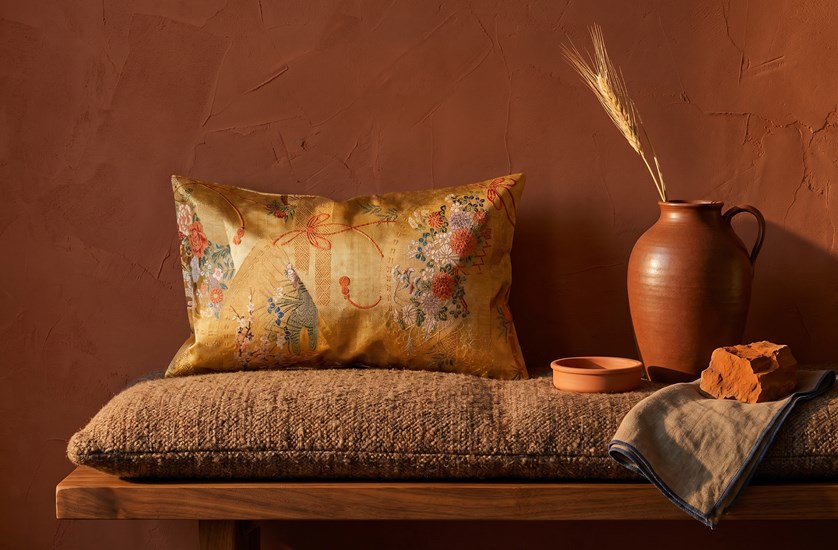
.png)
The semiotics of ceremonial textiles: a designer’s guide to reading the cloth
What the motifs mean, and how to specify that meaning into a room
⁂
Most decorative art is mute by design. A Japanese ceremonial textile is the opposite: it was made inside a settled language of symbols, where the wearer chose a motif the way one chooses a word. Bring such a cloth into a room and you introduce not just a beautiful object but a sentence, and the room begins to be read in its light. For a designer working with collectors who value depth over trend, that is the whole proposition. This guide is the short grammar you need to specify it with confidence.
Longevity: crane, tortoise, the friends of winter
The most frequent motifs in formal obi are wishes for long life. The crane, tsuru, carries a thousand years; the tortoise shell, abstracted into the kikkō lattice, ten thousand. Pine, bamboo, and plum together, the shōchikubai, stand for resilience through hardship. These read as calm rather than busy, because the symbolism is steady and the eye senses it even untranslated.
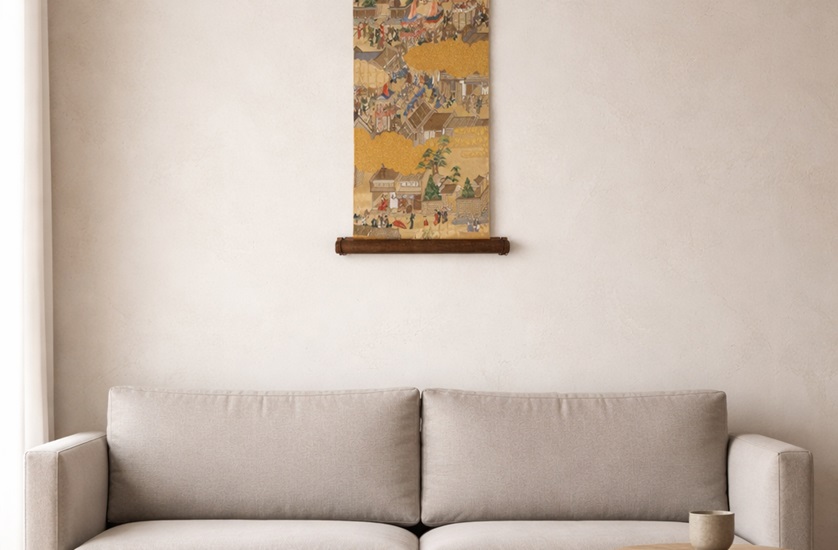
In the room: a crane-and-pine panel above a console in an entrance hall sets a tone of permanence at the threshold of a home, exactly where a client wants to feel it. The meaning and the placement agree, and the agreement is felt before it is understood.
The wearer could choose a motif the way one chooses a word.
Passage: the auspicious cloud
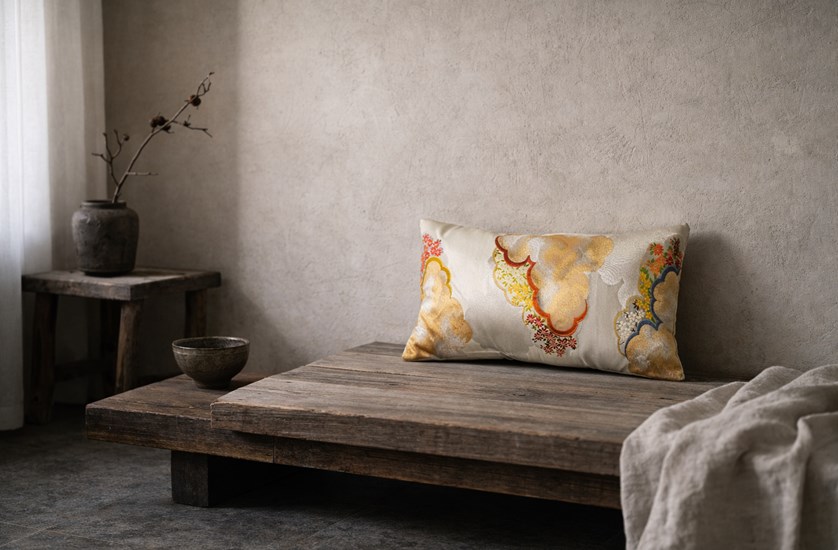
Zuiun, the auspicious cloud, is a stylised band of curling vapour signalling favourable fortune and safe passage, with a long lineage in Buddhist and courtly imagery. On an obi it lends movement and benediction, drifting even as it holds still.
In the room: reach for the cloud where a space is a passage rather than a destination, a stairwell, a long hall, a transition between moods. It carries the eye along its length and quietly does the emotional work of a corridor: somewhere to feel carried through rather than held in.
Colour, the first word
Before any motif is read, colour has spoken. Murasaki purple was historically reserved by sumptuary law for the highest ranks; certain reds belonged to youth; the restrained shibui greys and browns were the register of maturity and refined understatement. The ground colour of a piece is never merely a swatch to match. It is a statement with a history.
In the room: a shibui brown-grey panel brings considered restraint to a study or library; a cloth carrying deep murasaki lends an old gravity of rank and ceremony to a formal room. Brief the colour for what it says, not only for what it sits beside.
⁂
How to specify the meaning
When you brief a Renaras piece, record not just dimensions and palette but the meaning you are placing: longevity at the entrance, passage on the stair, restraint in the study. Every object on our Decorative Collective shop carries its motif and its reading in the listing, so the symbol is documented and you can put it, unqualified, in front of a client building a proposal or a moodboard.
Browse the current edit on our Decorative Collective shop, and message through the platform for trade pricing or to talk through which meaning a particular room is asking for. If you are working to a brief and want to know which cloth answers it, that is the conversation we most like to have.
⁂
Renaras transforms vintage Japanese ceremonial silk into contemporary one-of-a-kind objects. One silk. One story. One piece. Never repeated. Available through Decorative Collective.
Featured Seller
LOVEDAY
CHINOISERIE PAPIER MACHE
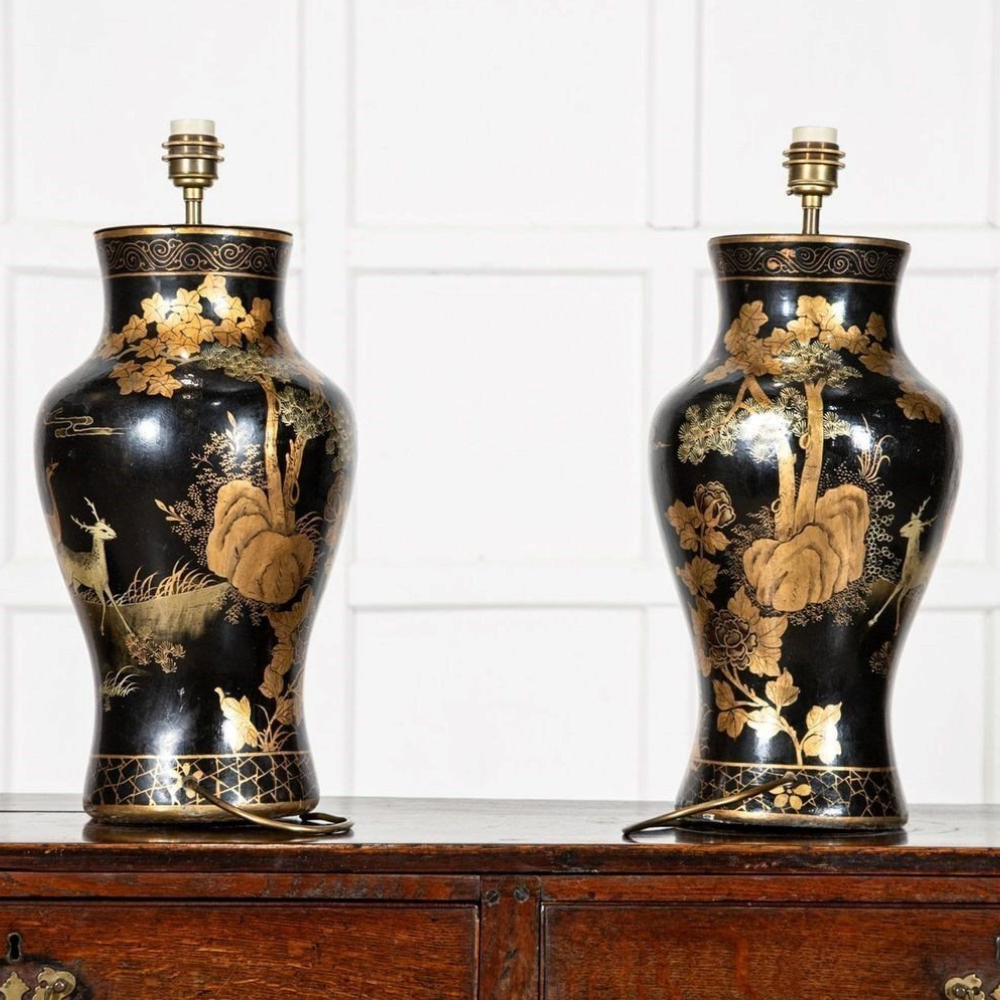
ENGLISH MID CENTURY LAMPS
Shop Here
SISTER MARKETPLACE
VINTAGE AND ANTIQUE
SHOP HERE
REGENCY SPLENDOUR
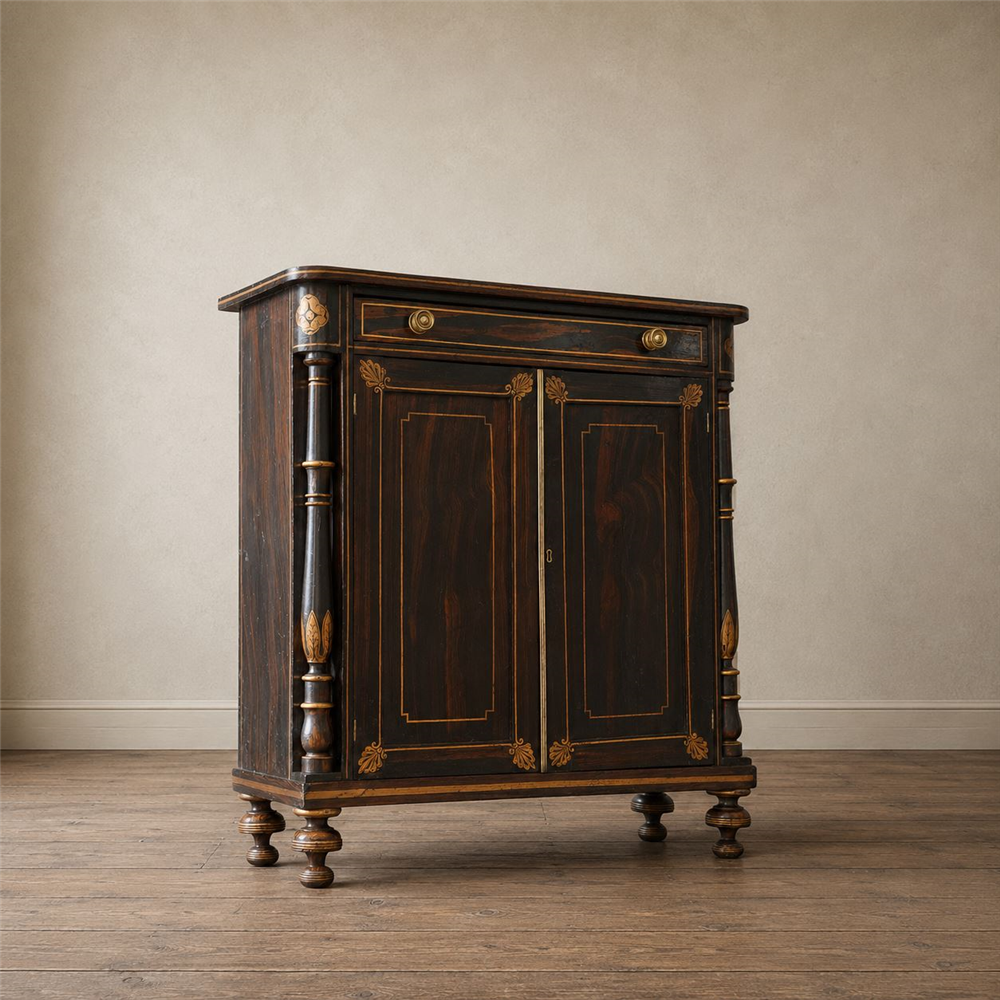
ANTIQUE FAUX ROSEWOOD CABINET
SHOP HERE
AIRBNB FOR YOUR BUYING TRIP

GULLYS NEST, BRIGHTON
Discover Here
BILLIARD TABLE LIGHT
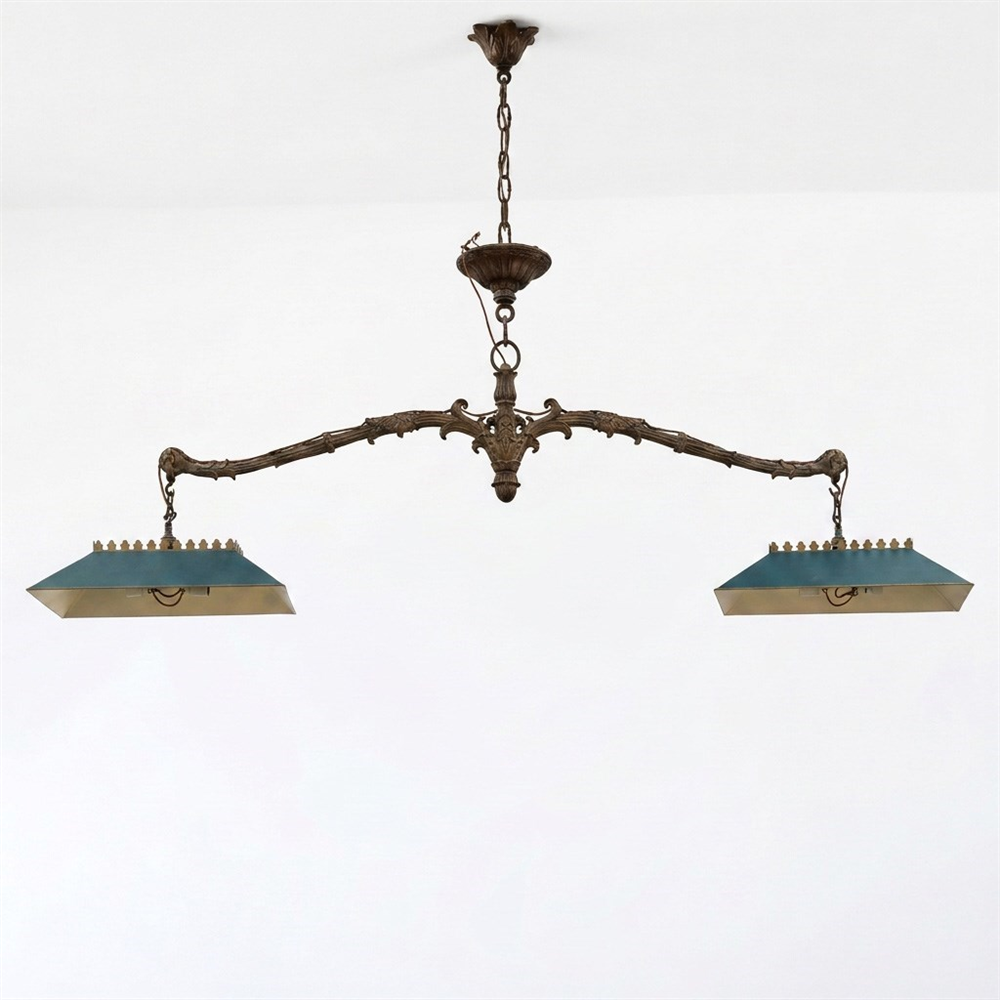
FOR THE COUNTRY HOUSE GAMES ROOM
DISCOVER HERE
STORAGE IN SUSSEX

For Dealers & Private Clients
WEBSITE