Eight Botanical Hand-Coloured Engravings By Michael Rupert Besler
Stock No
1300-1307
2020
Questions about this item?
Like this item?
Item Description
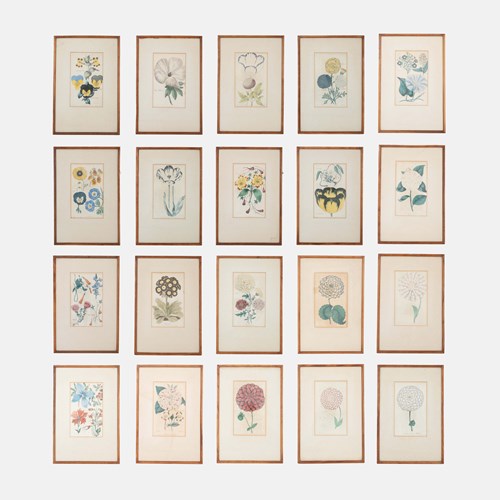
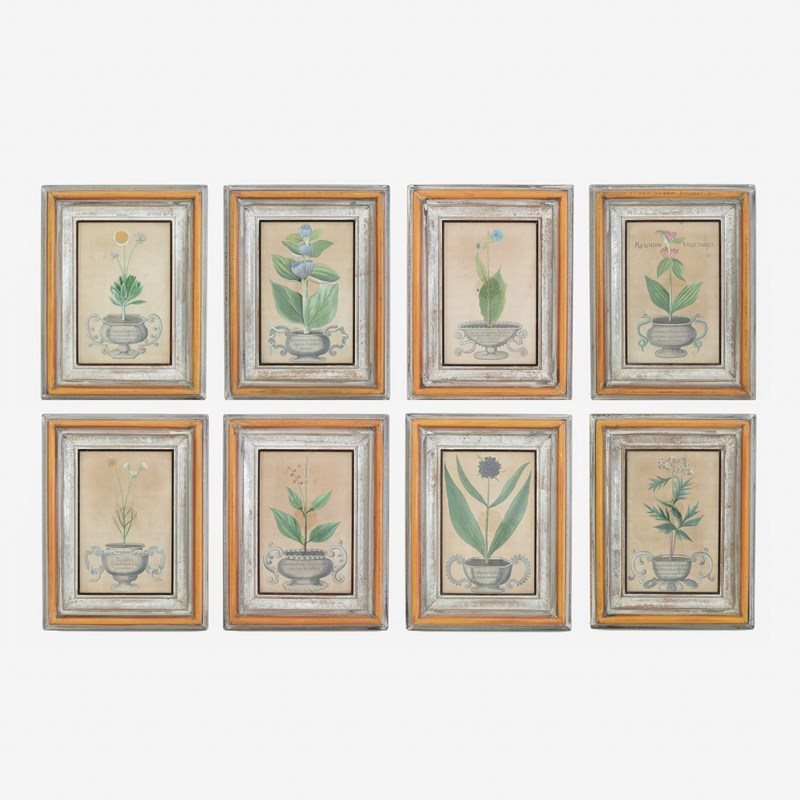
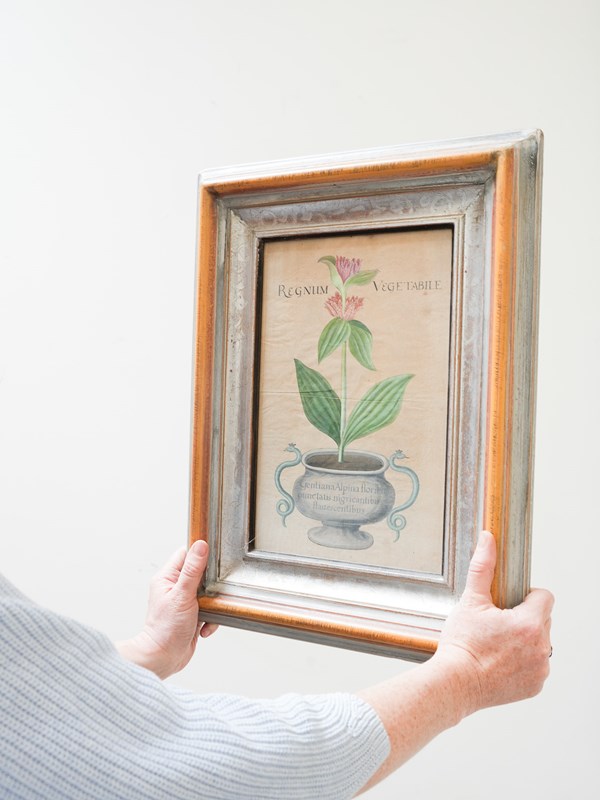
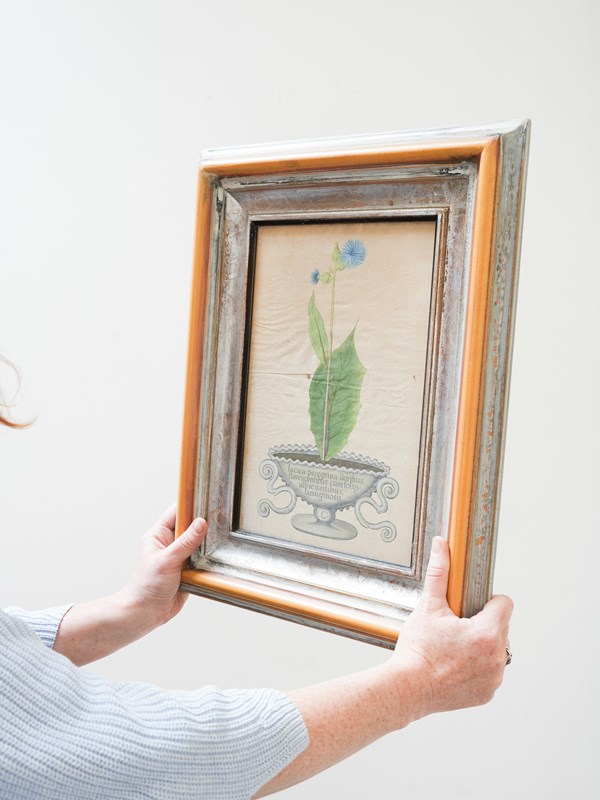
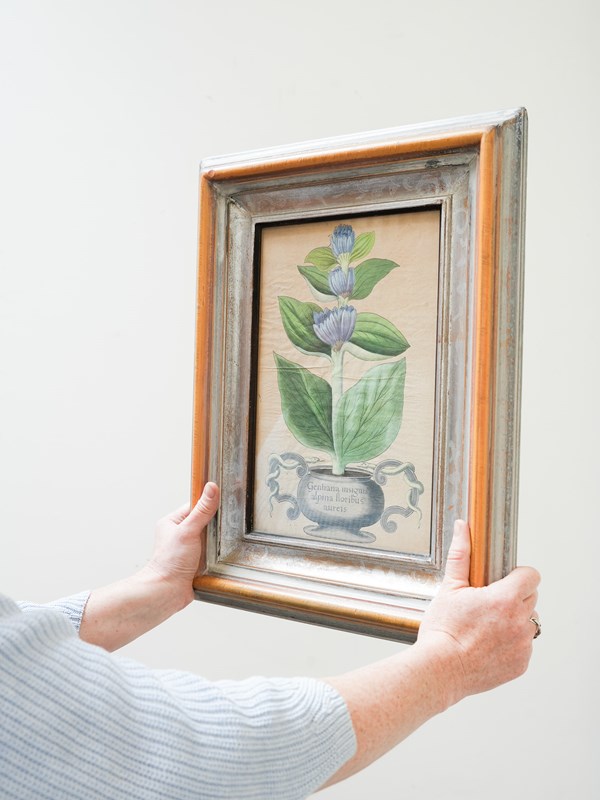
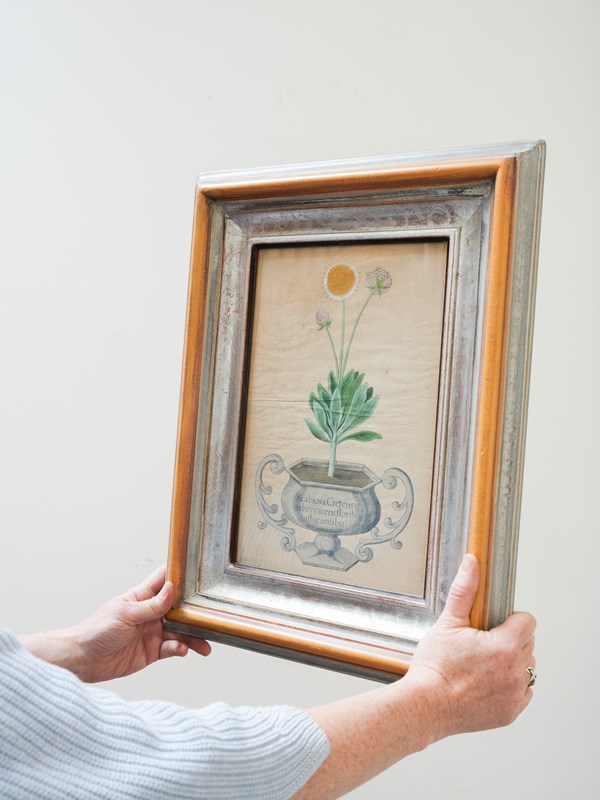
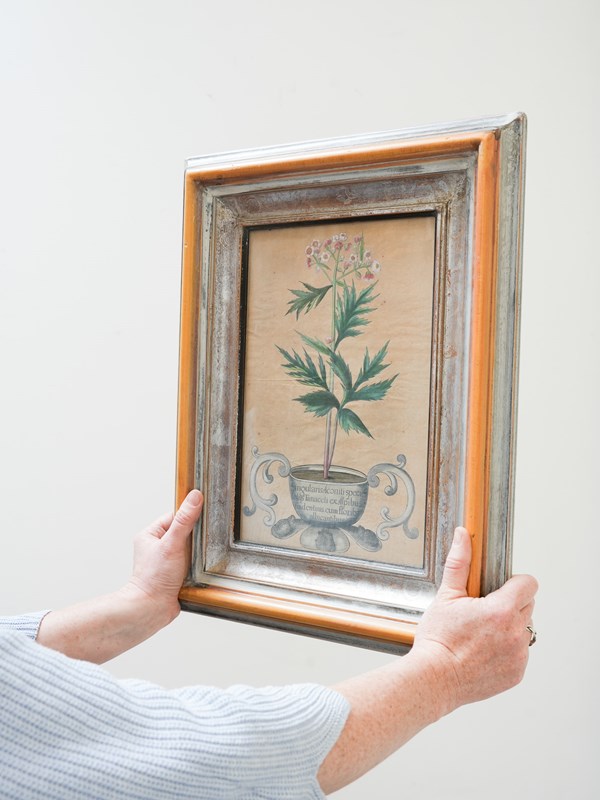
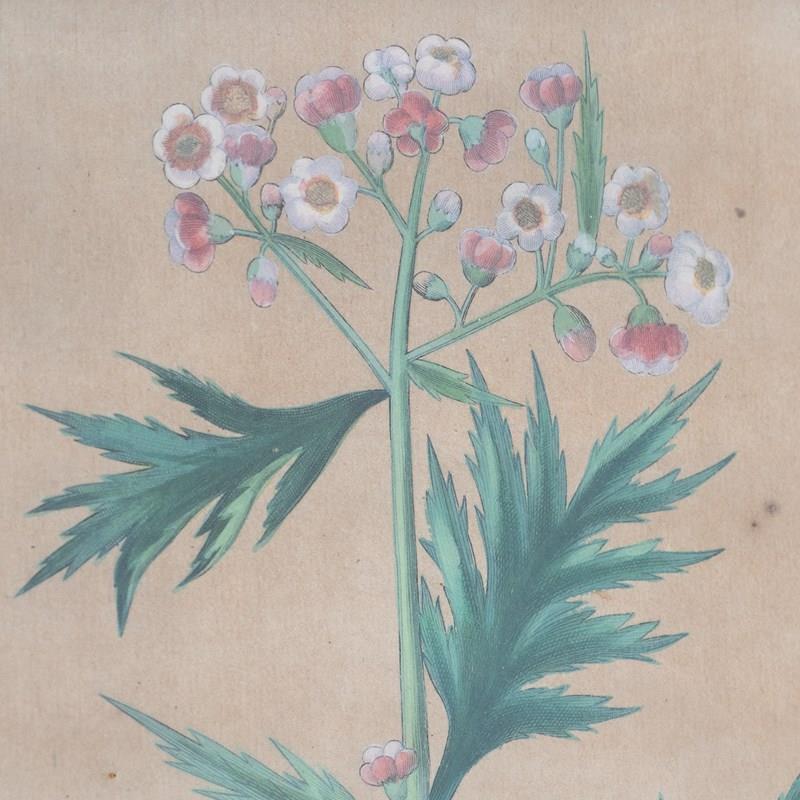
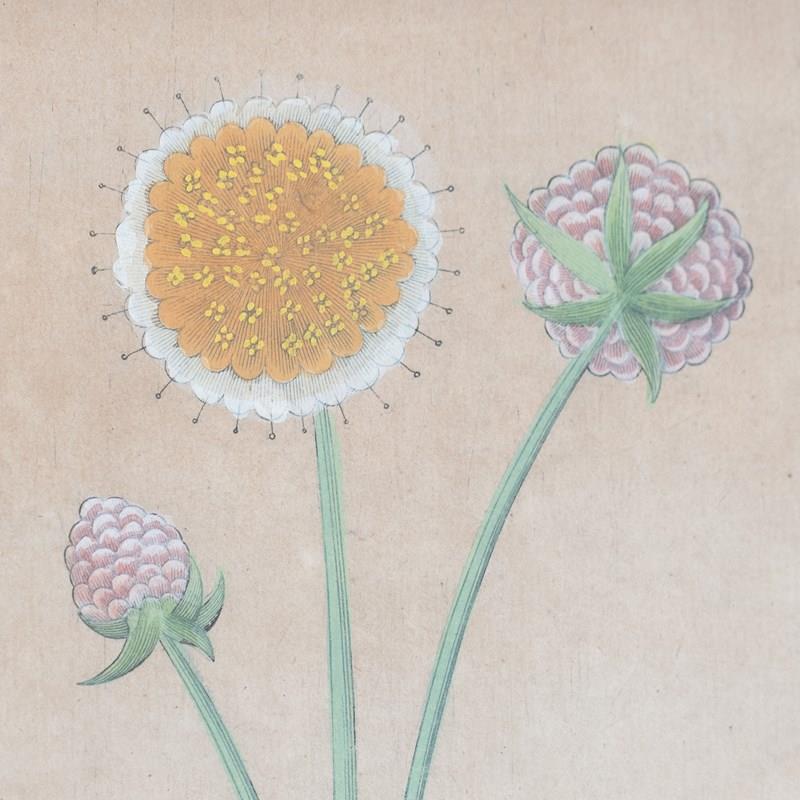
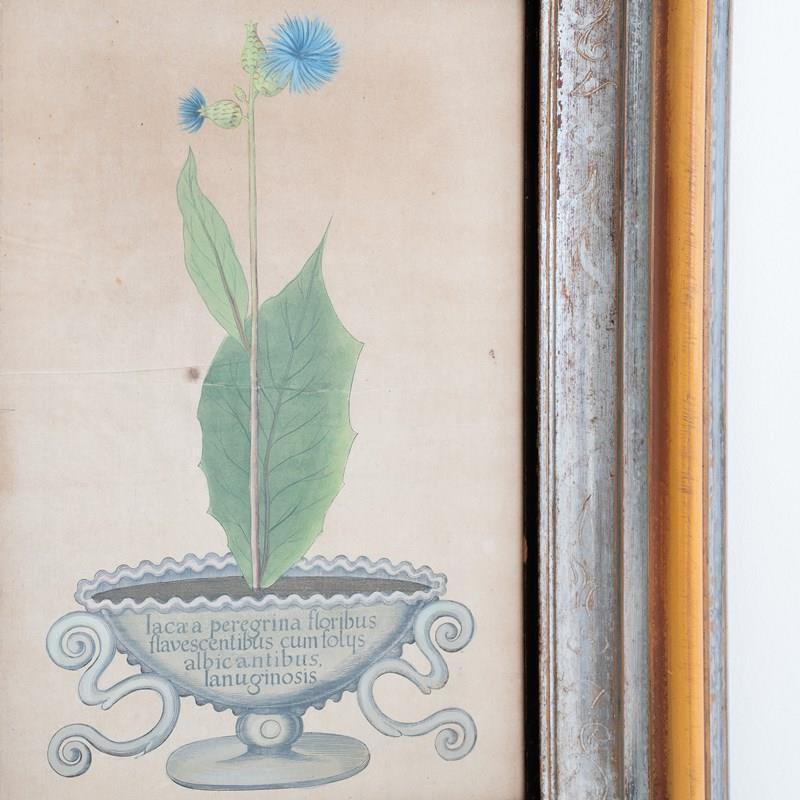
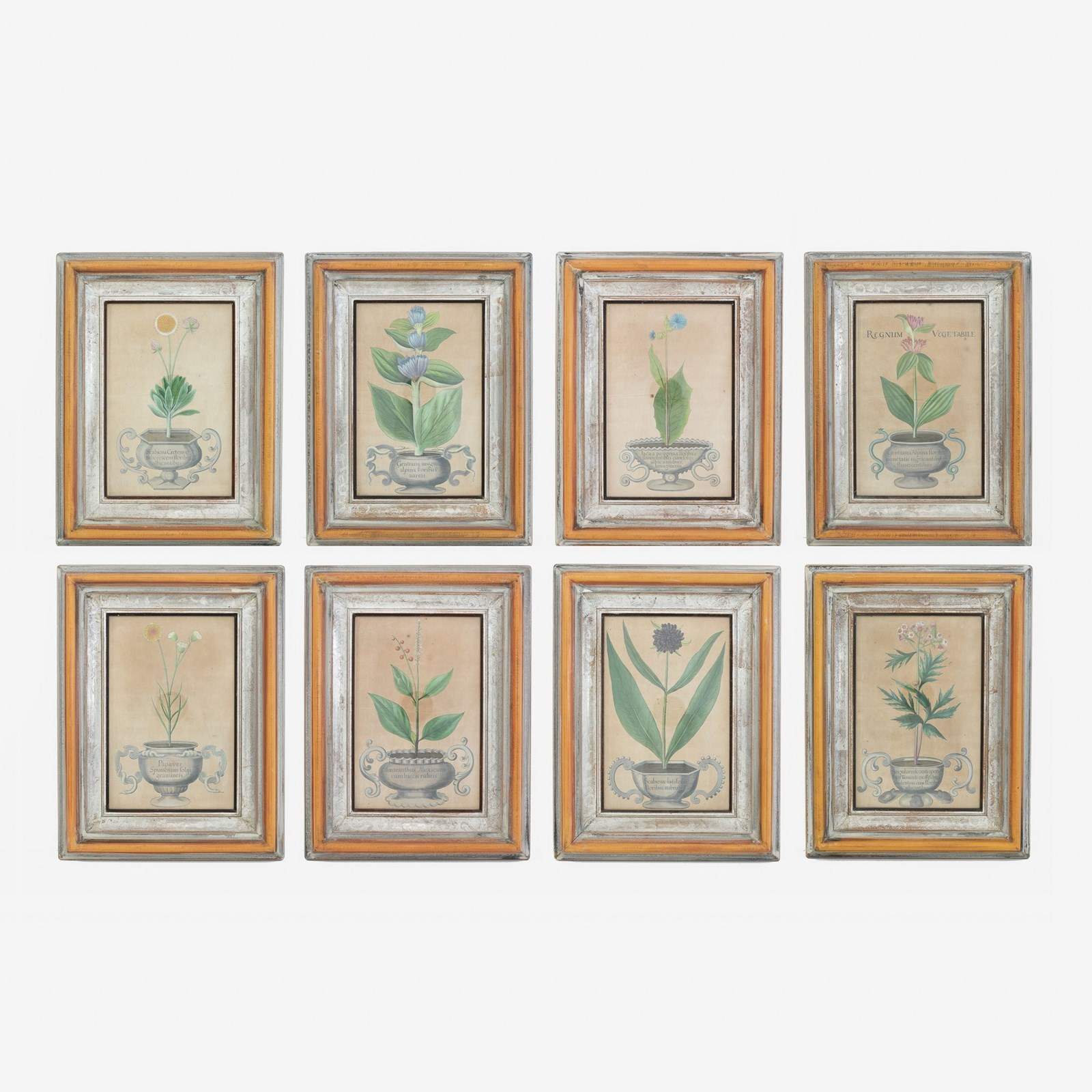
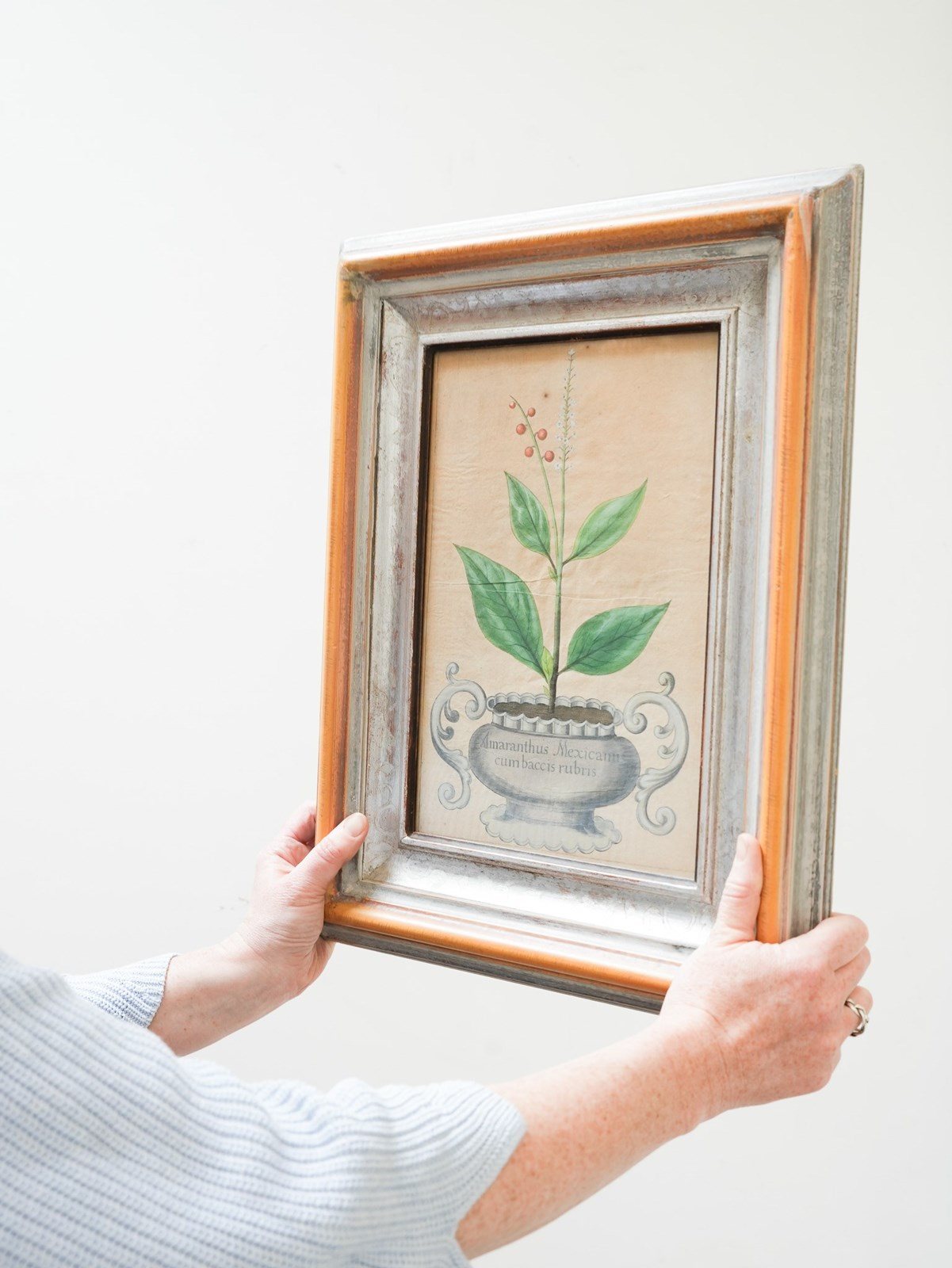
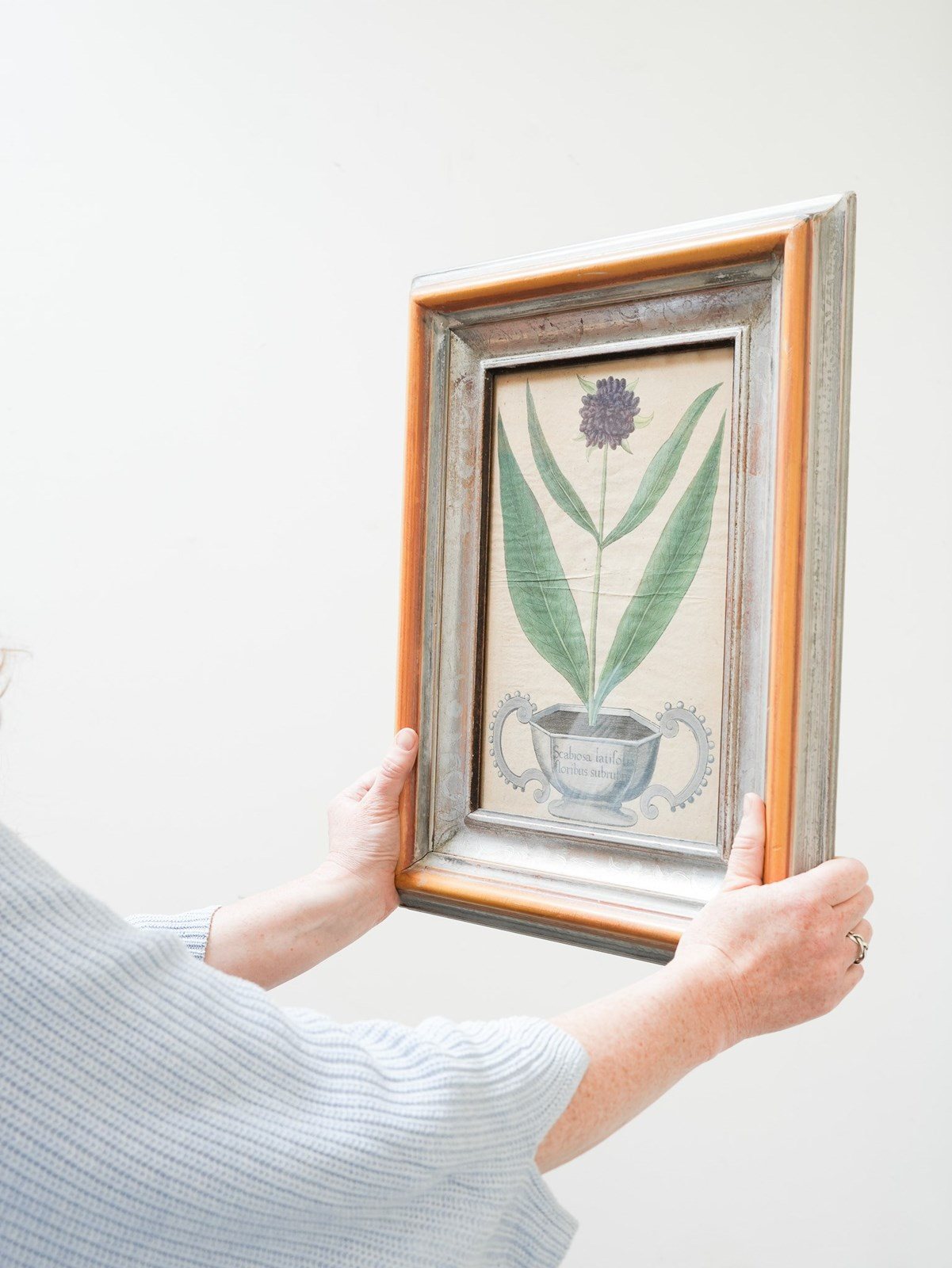
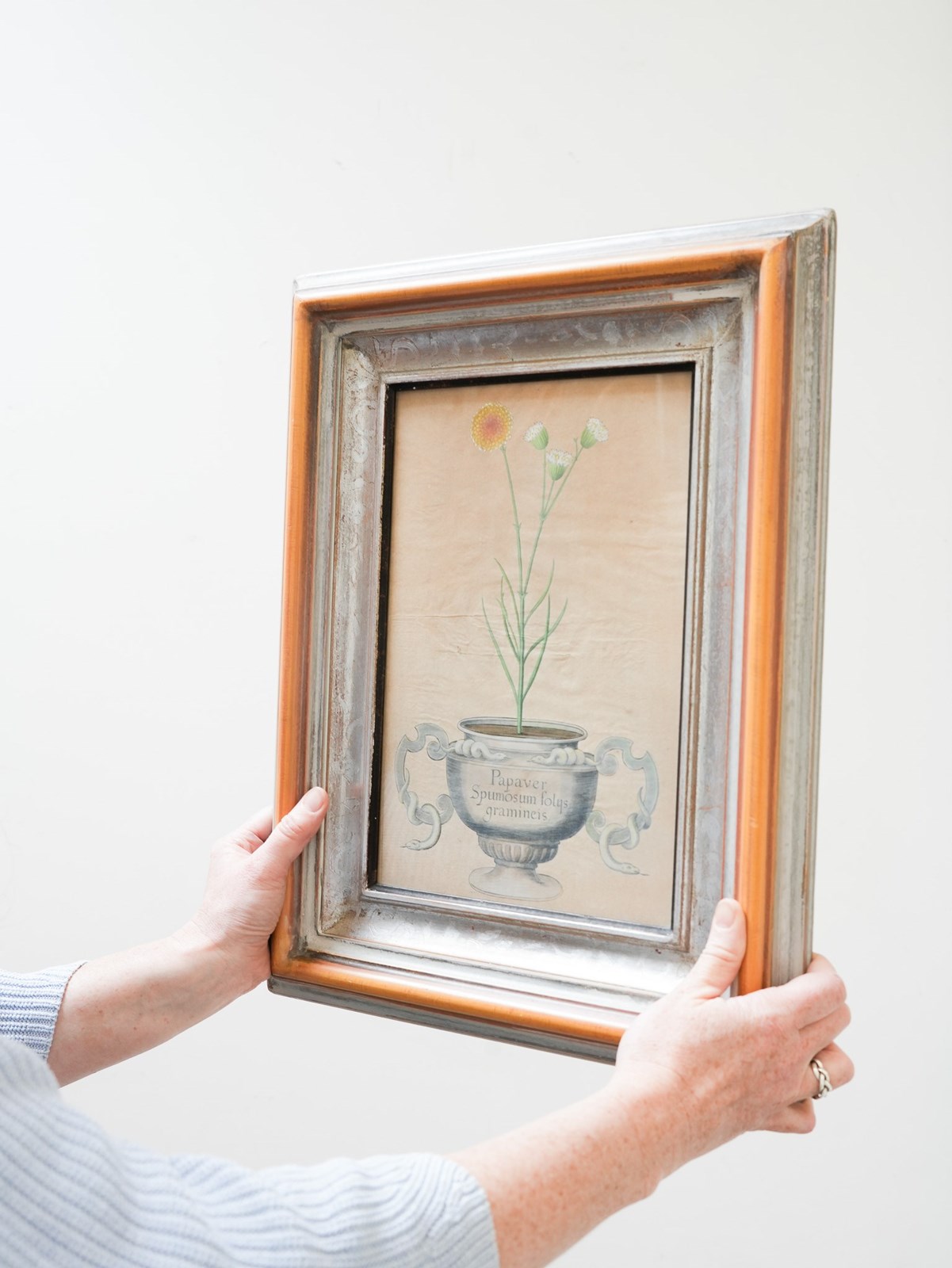
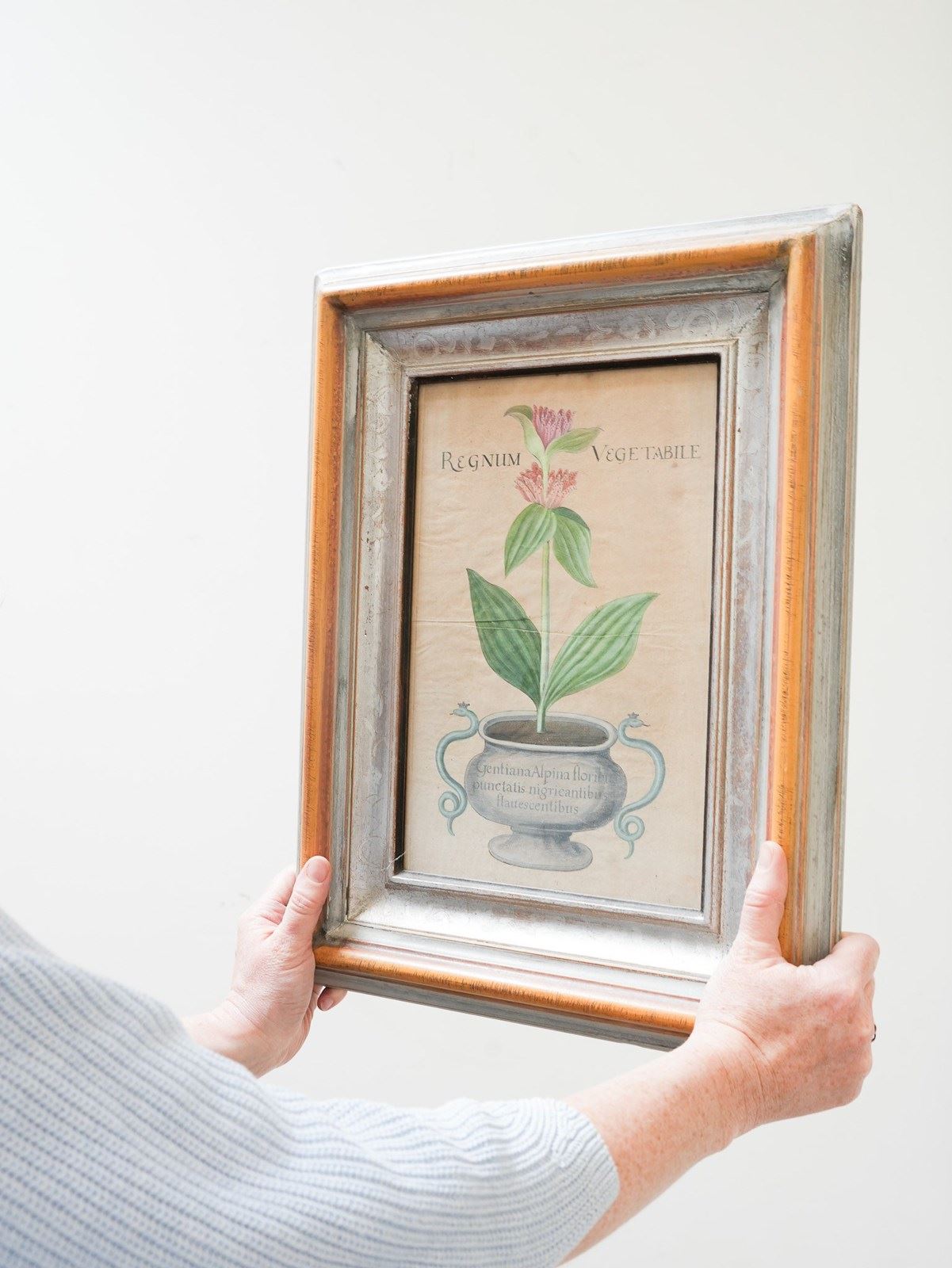
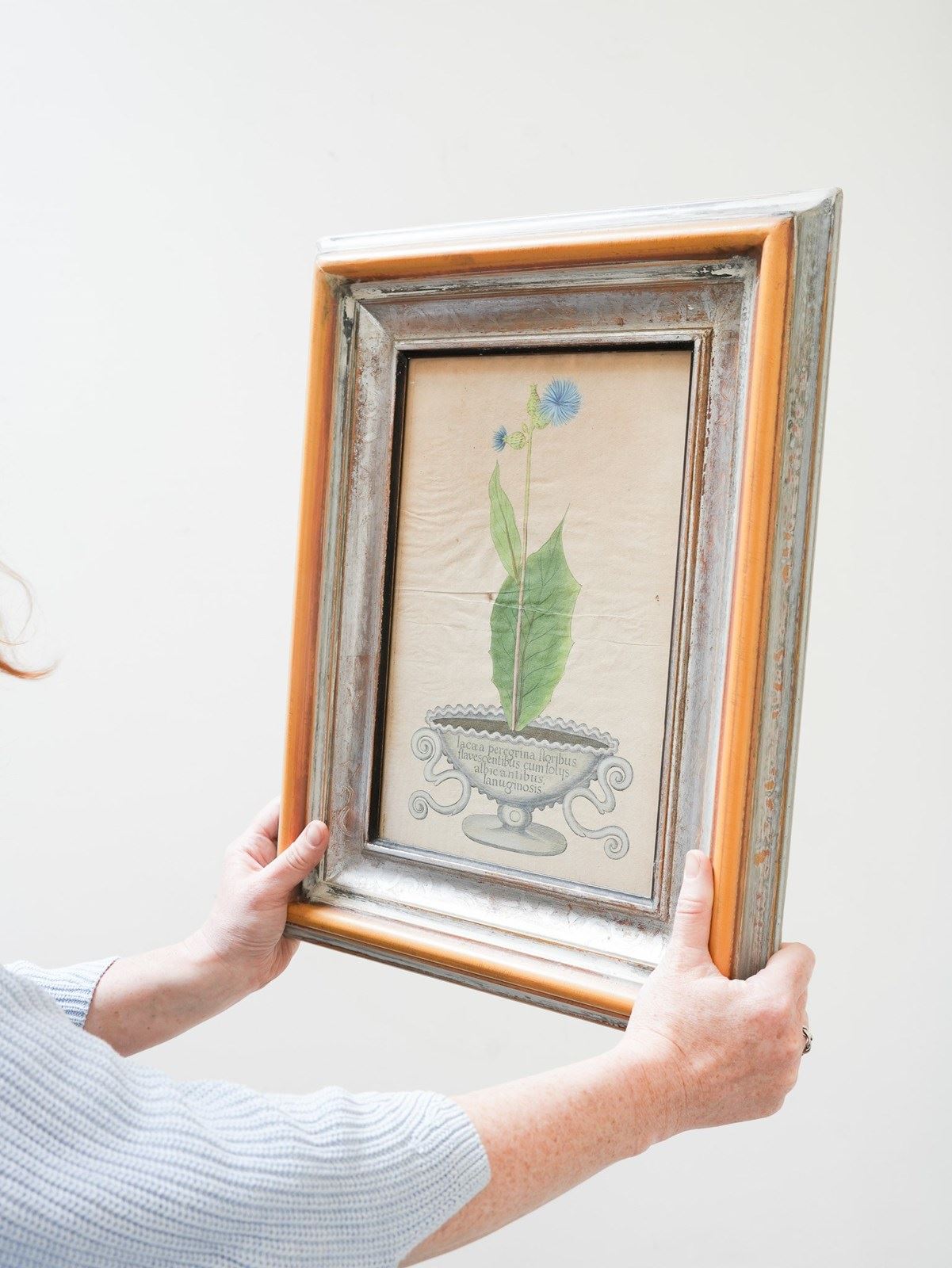
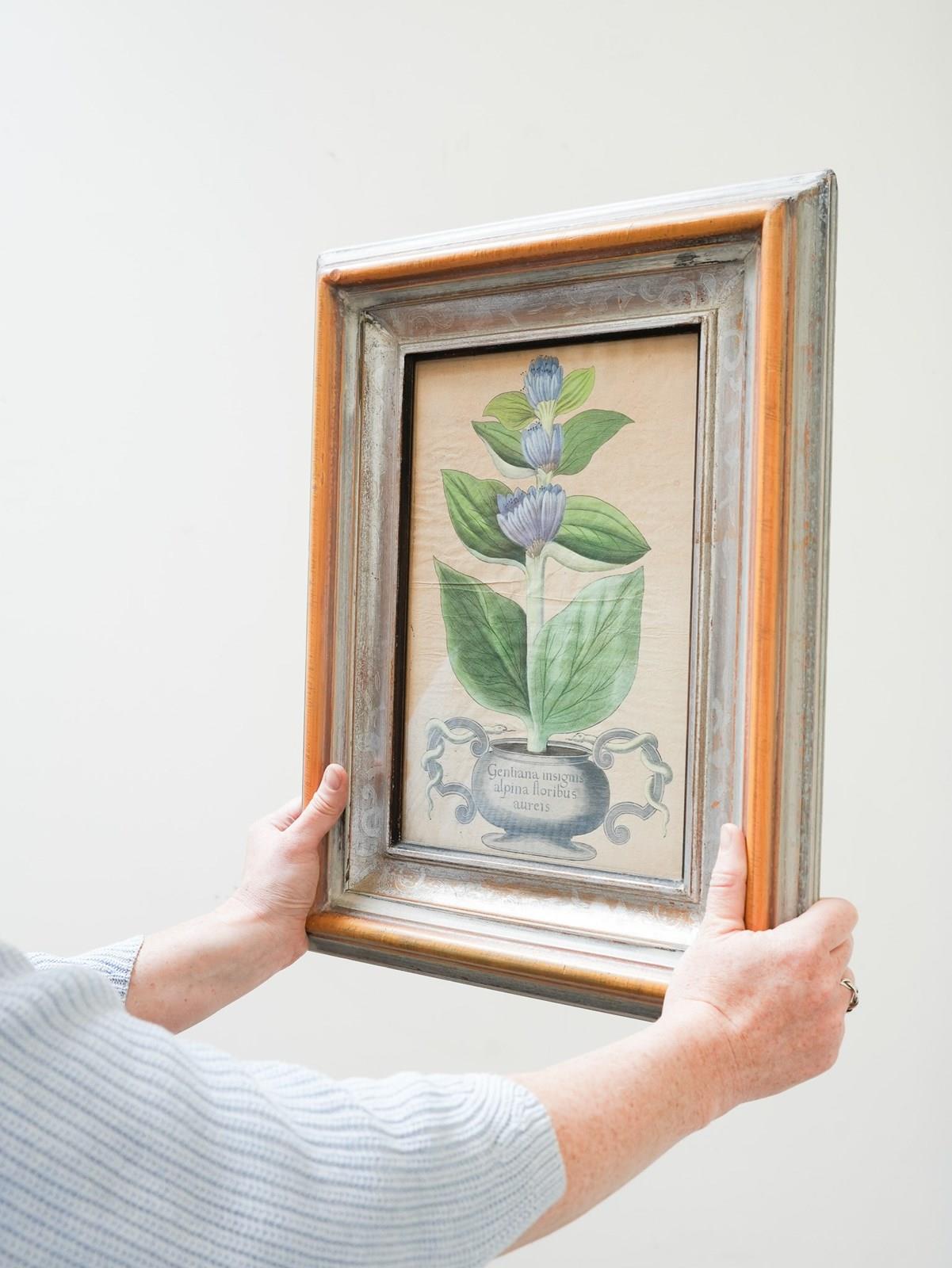
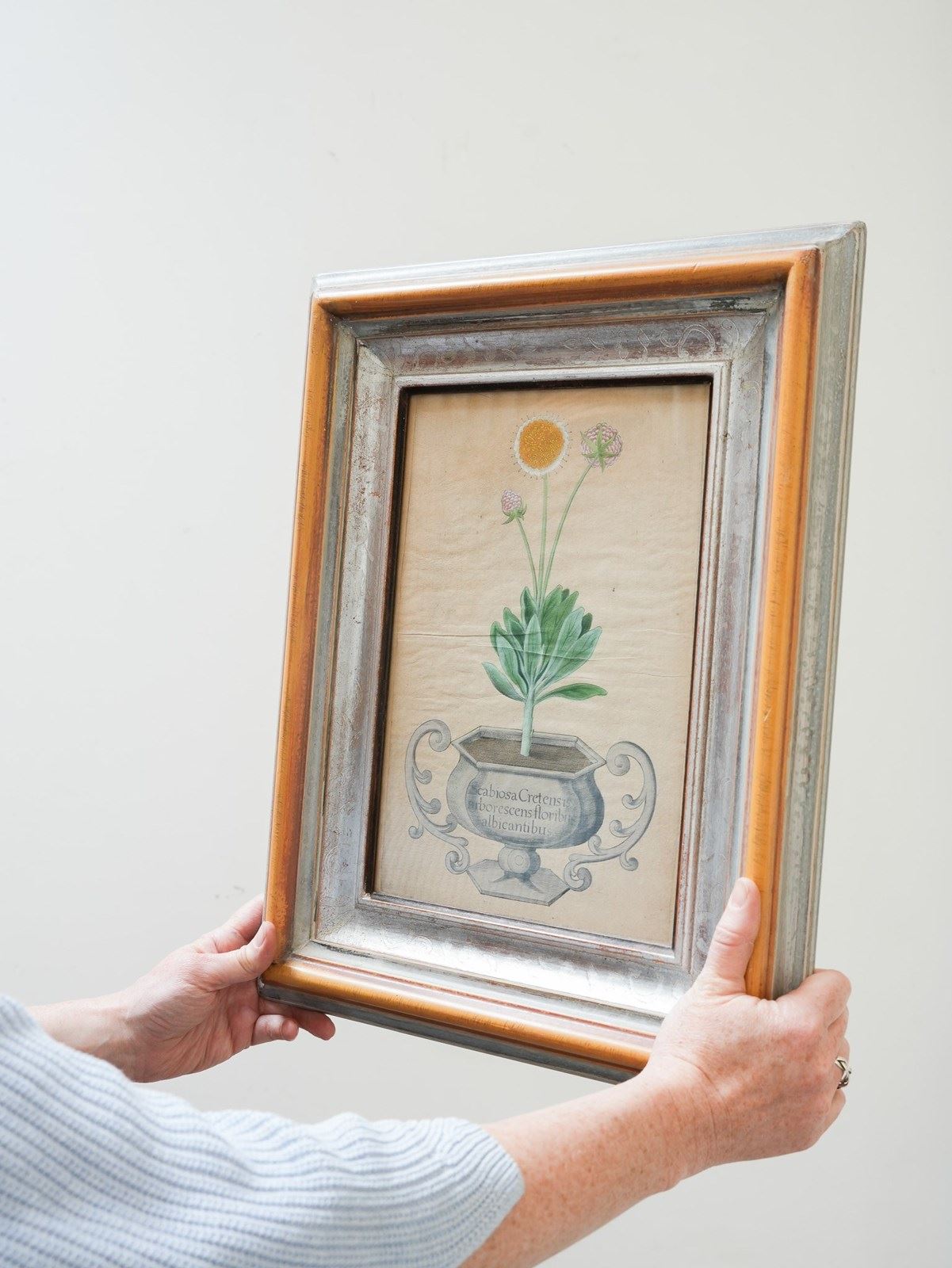
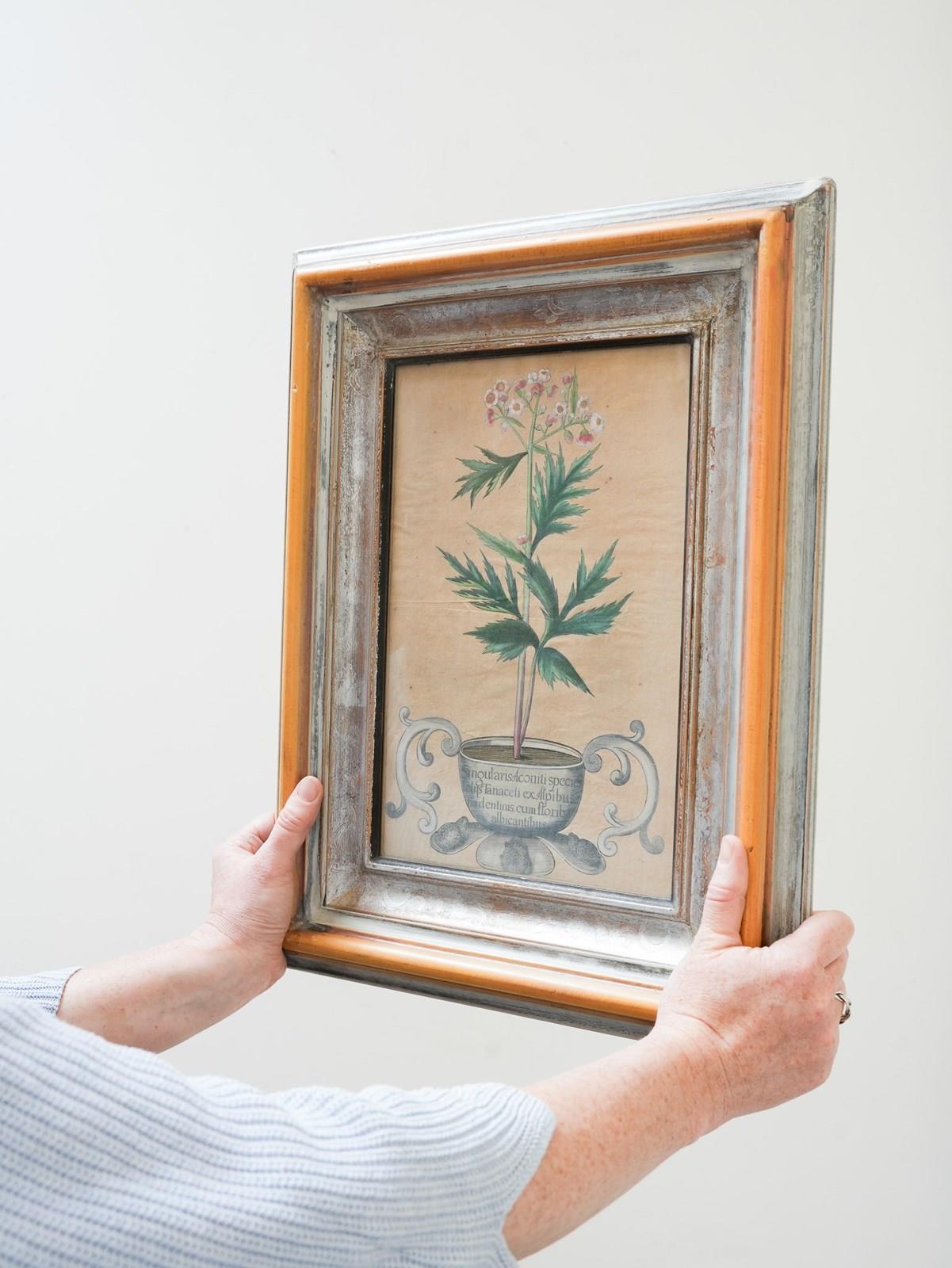
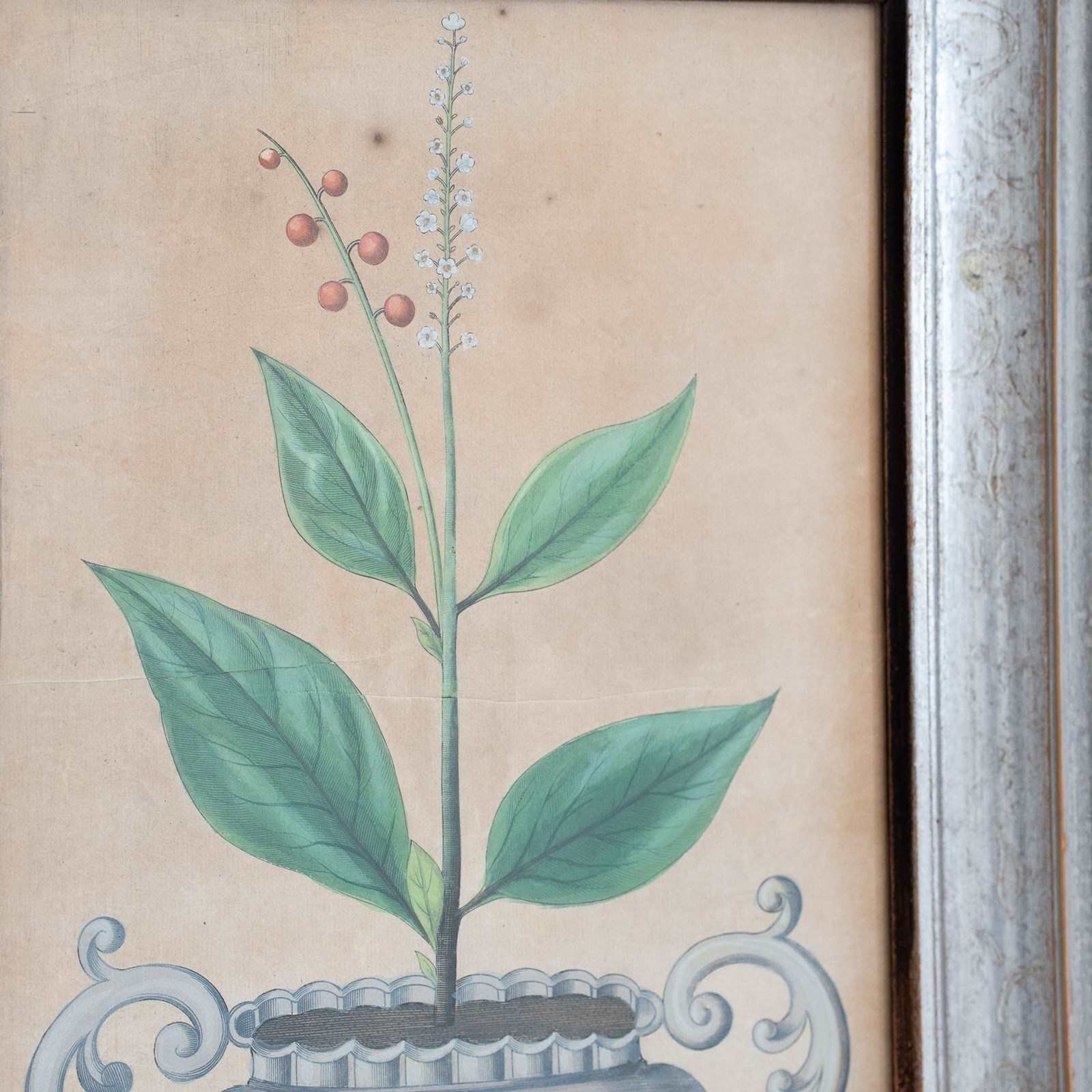
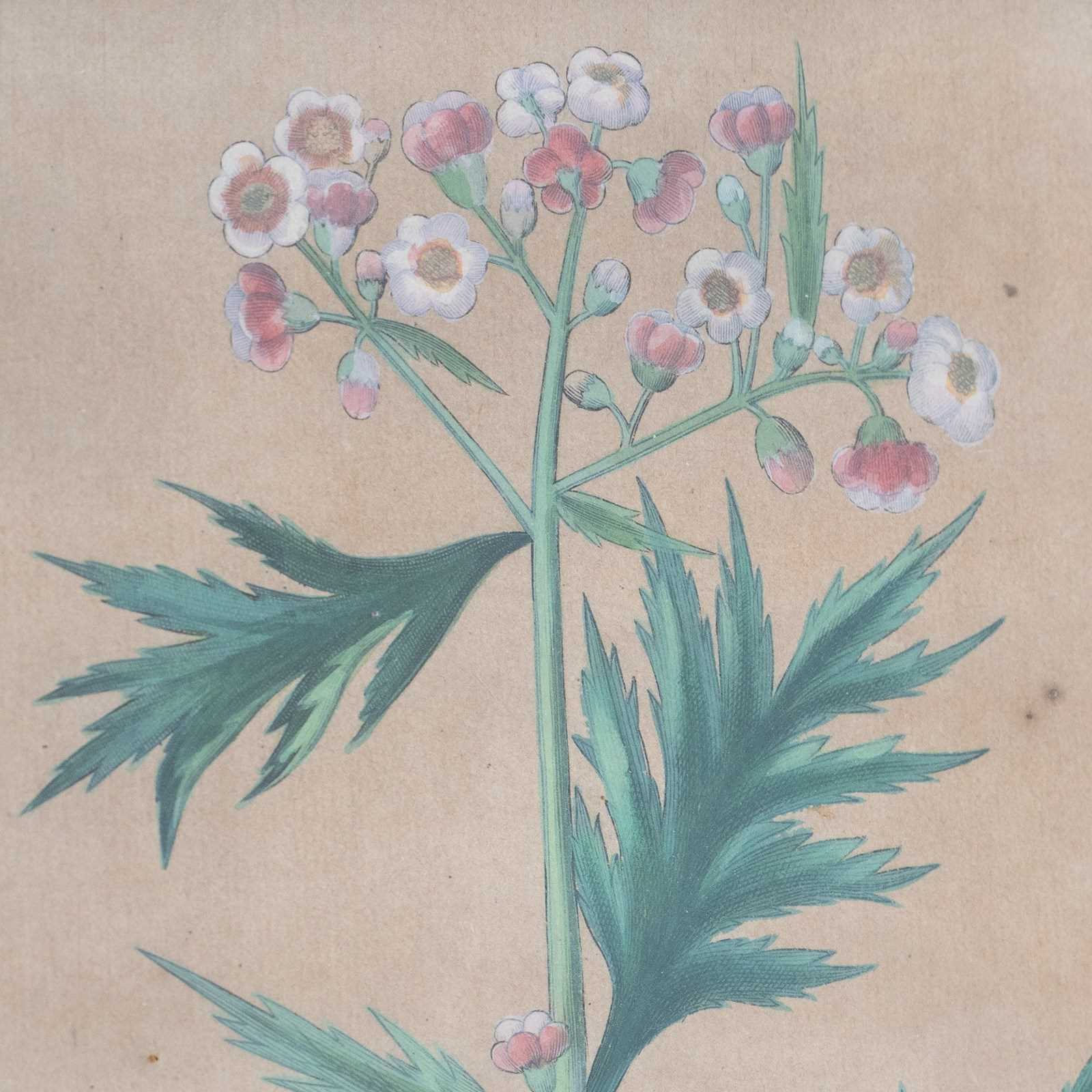
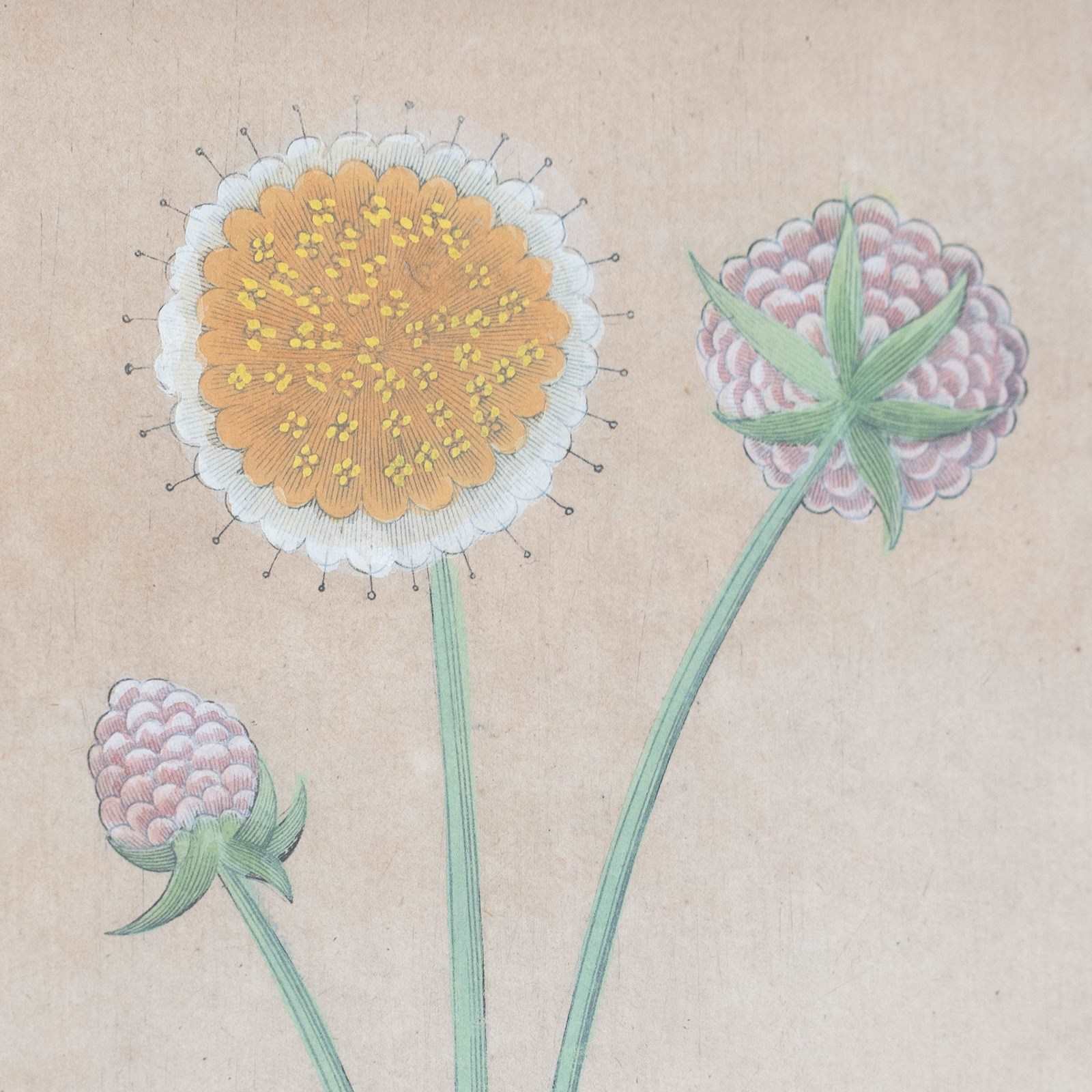
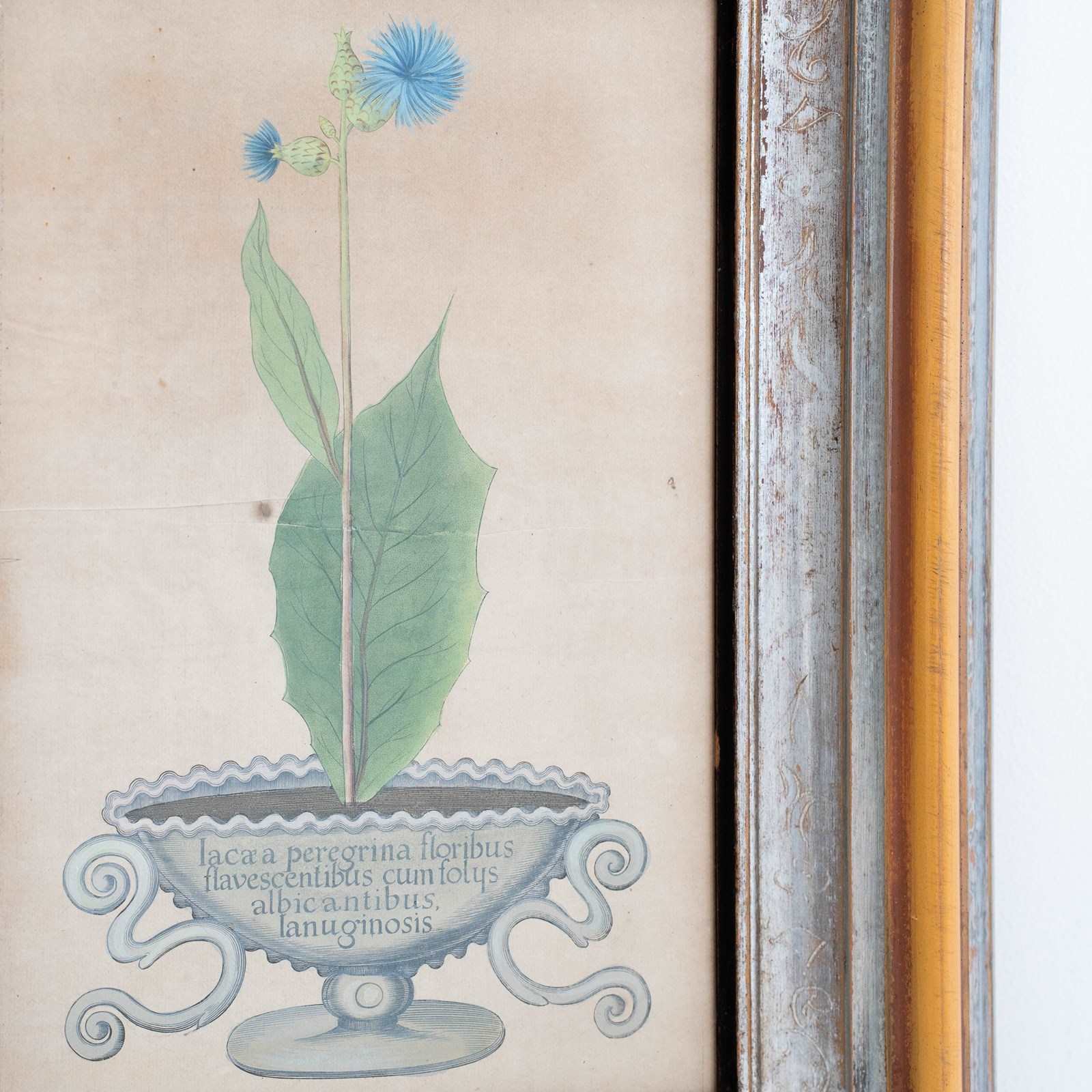
A set of eight 18th Century botanical hand coloured engravings by Michael Rupert Besler
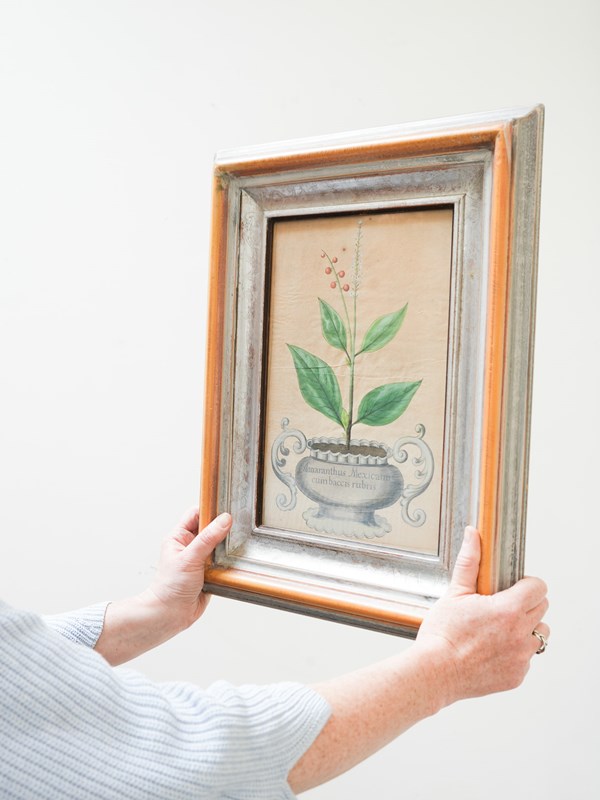
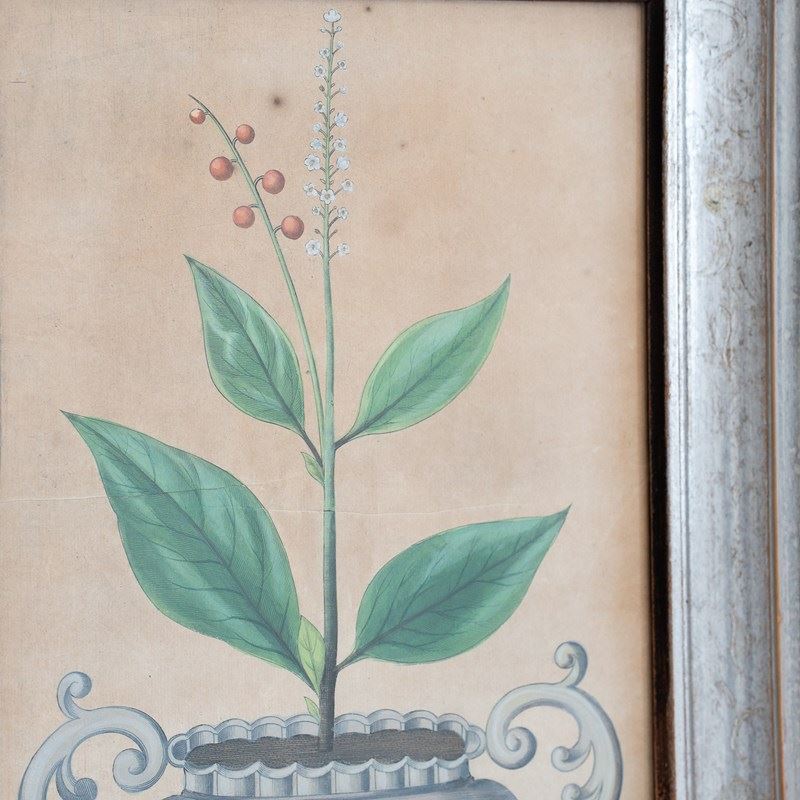
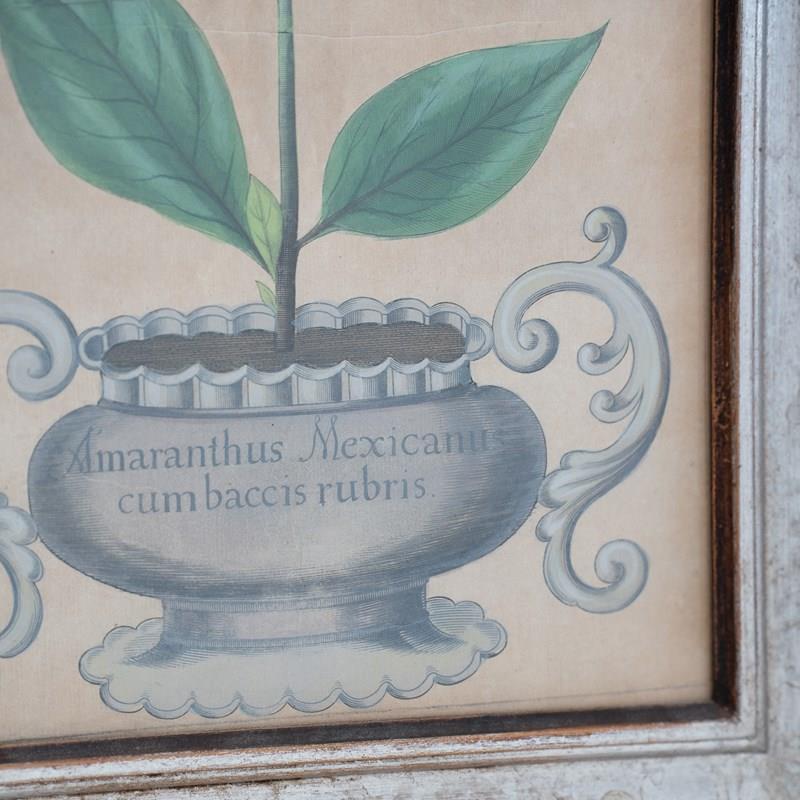
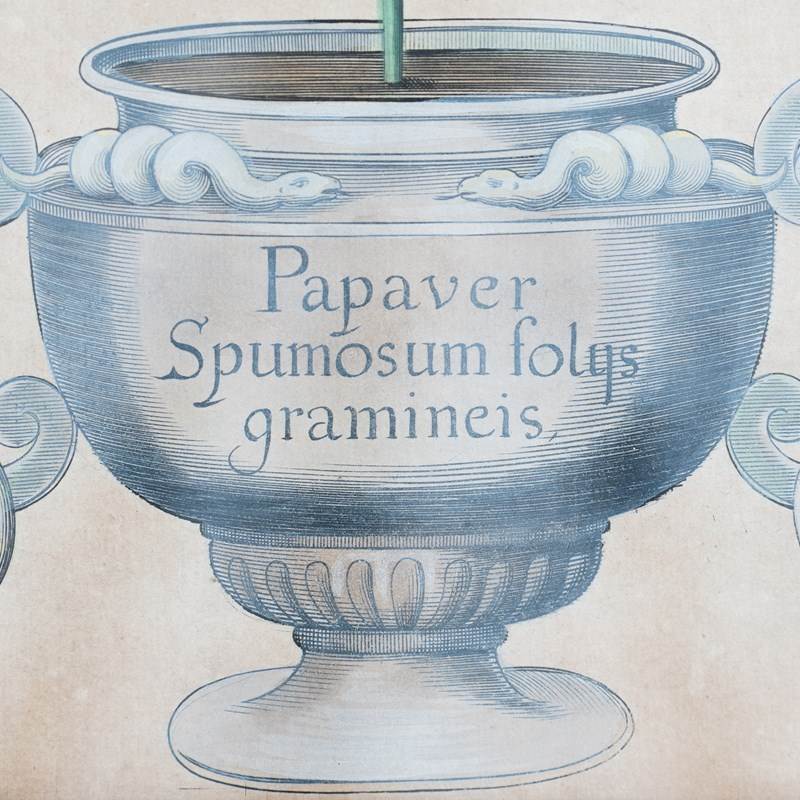
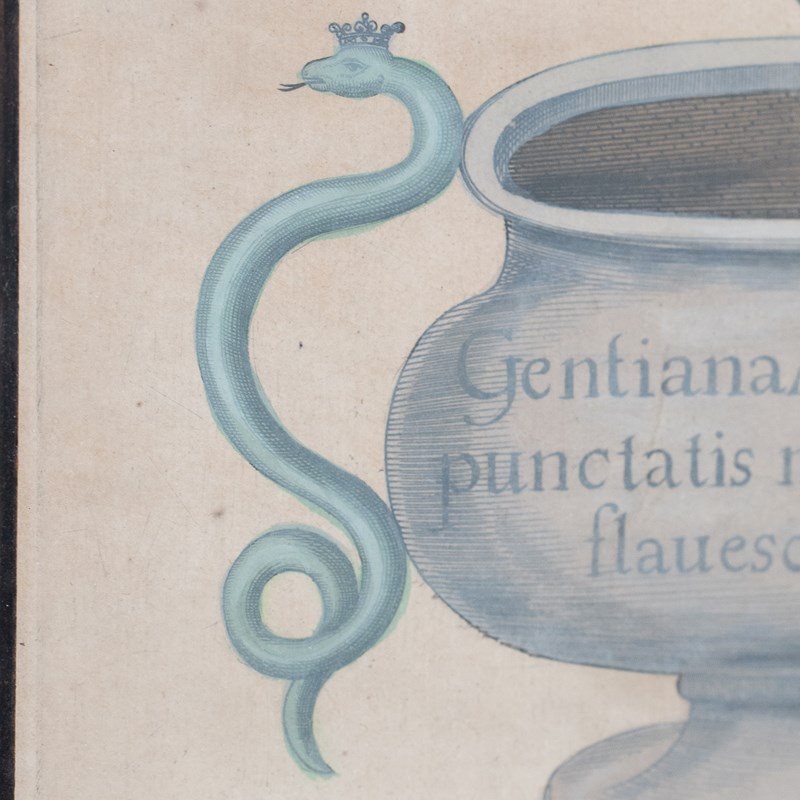
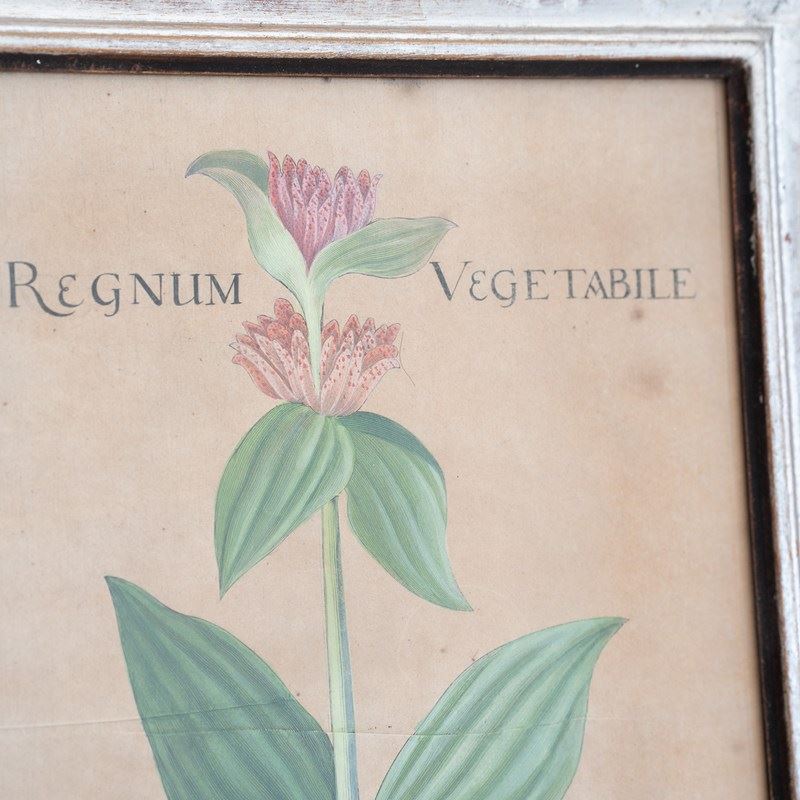
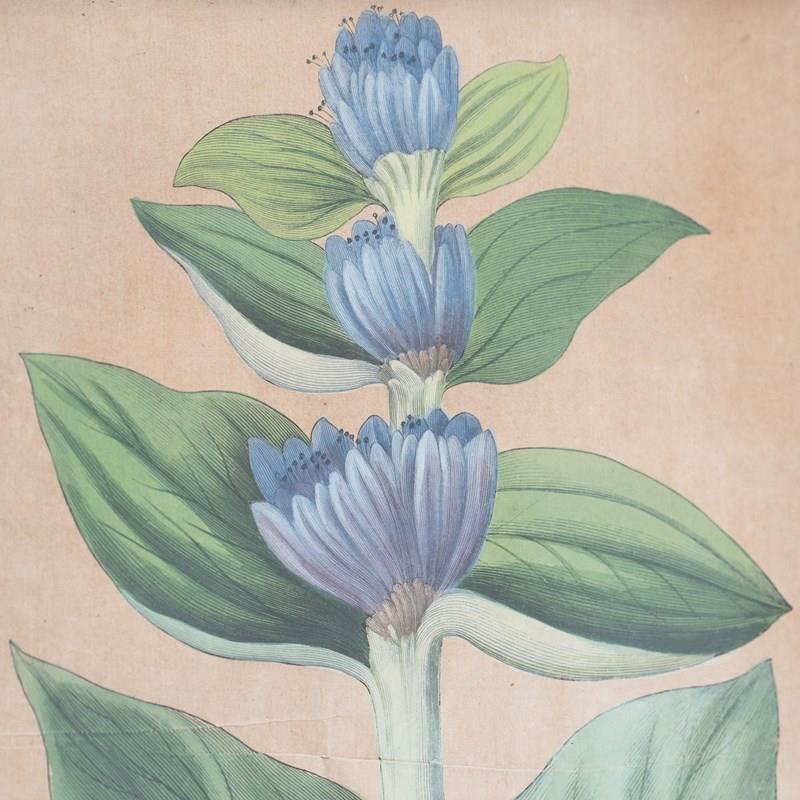
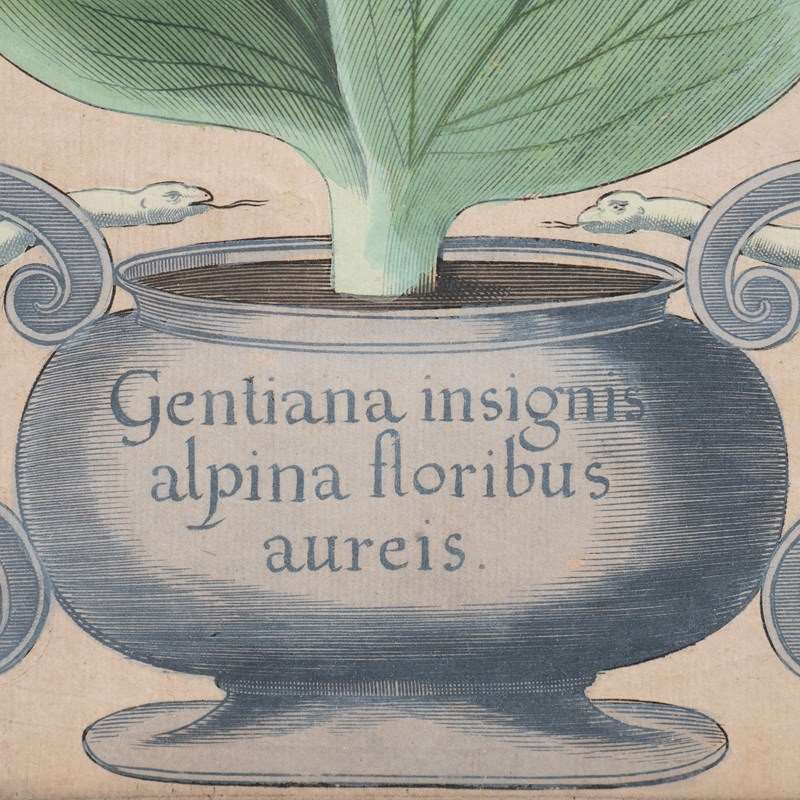
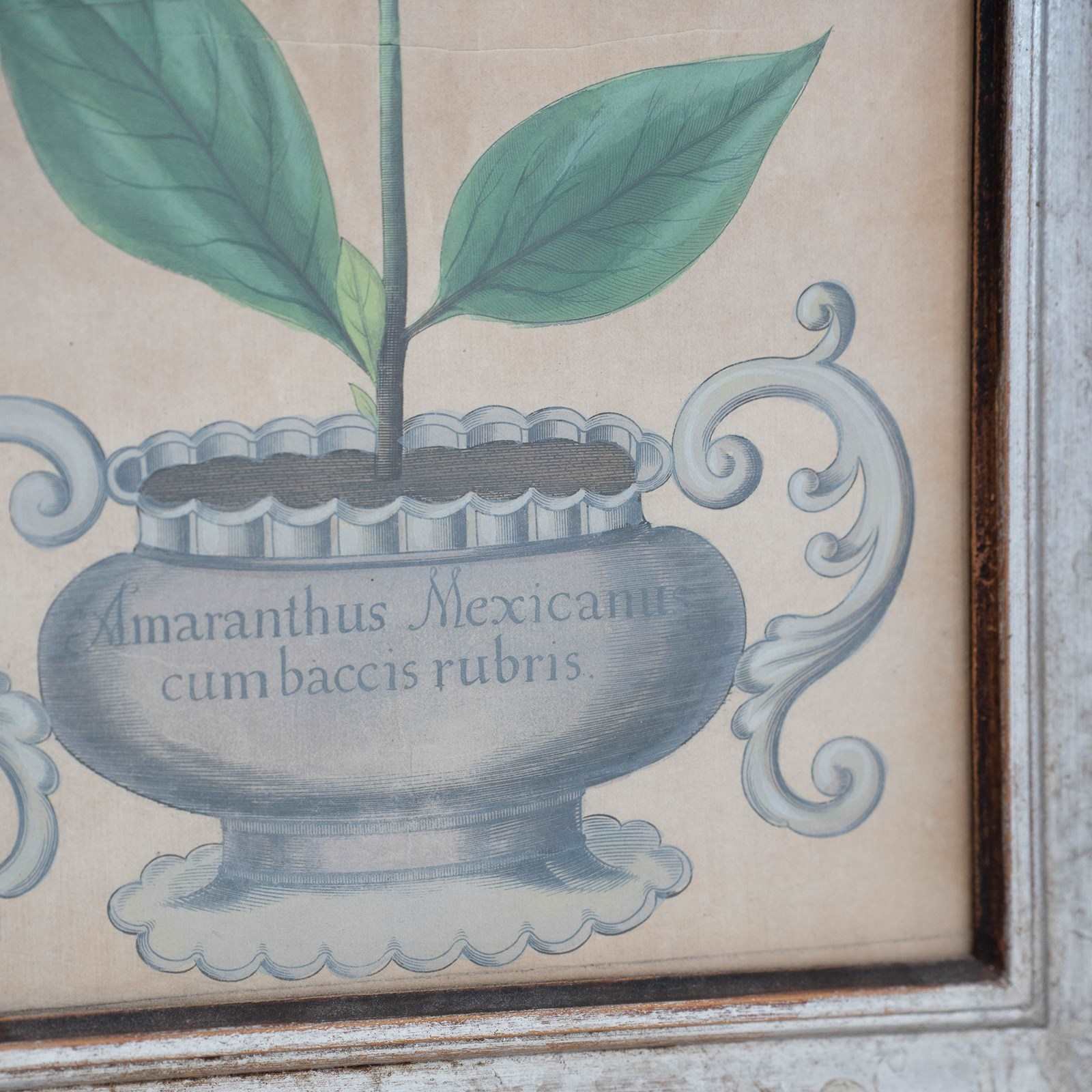
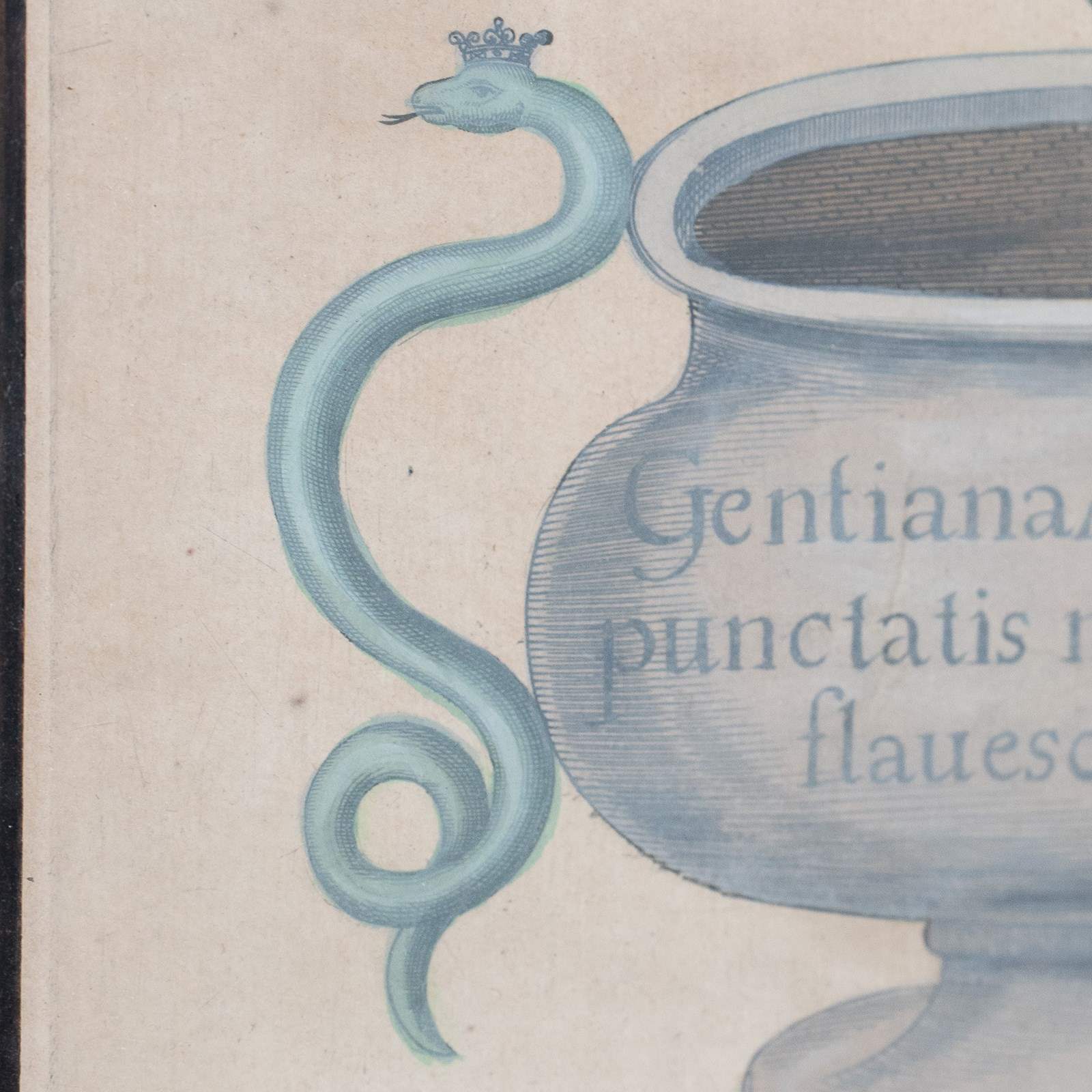
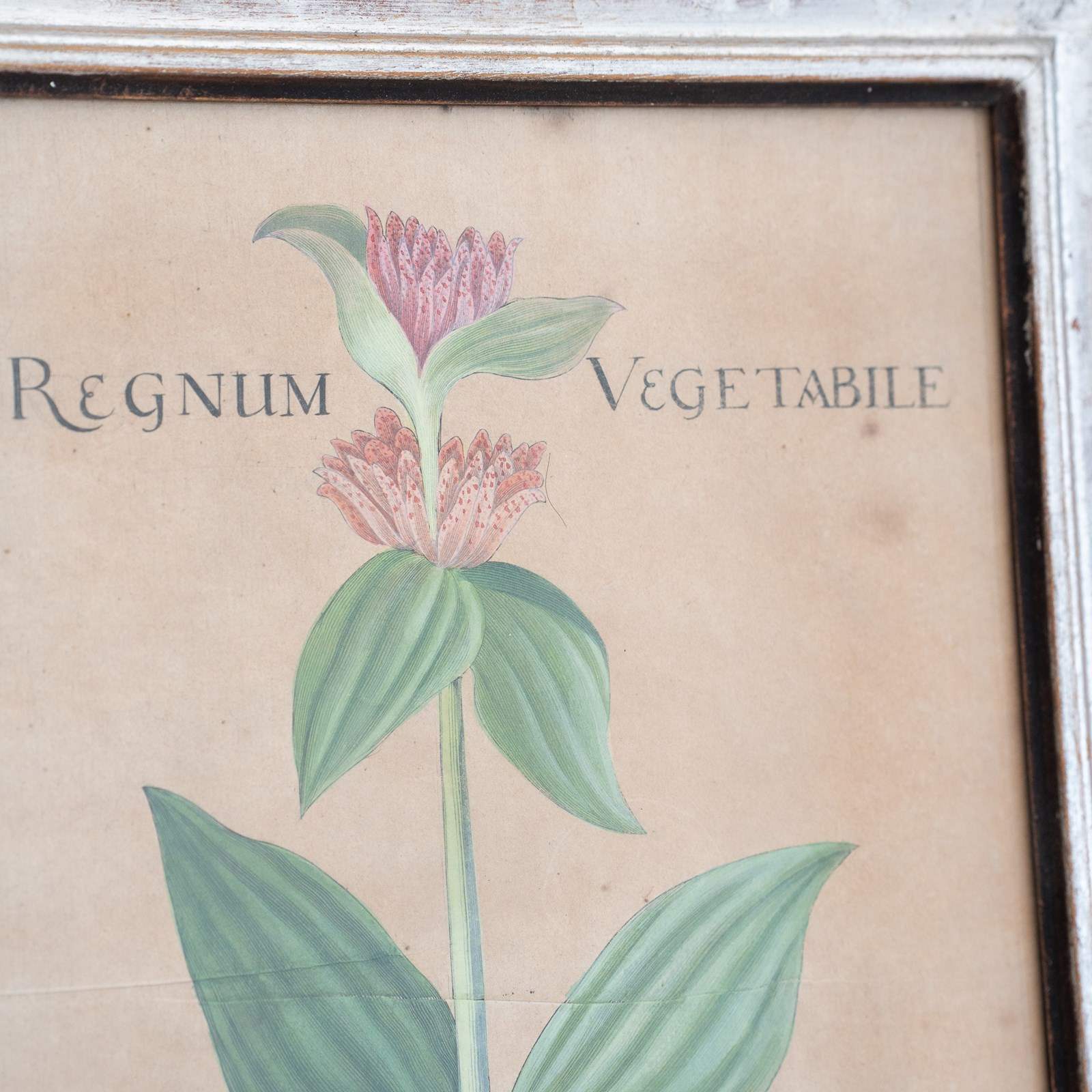
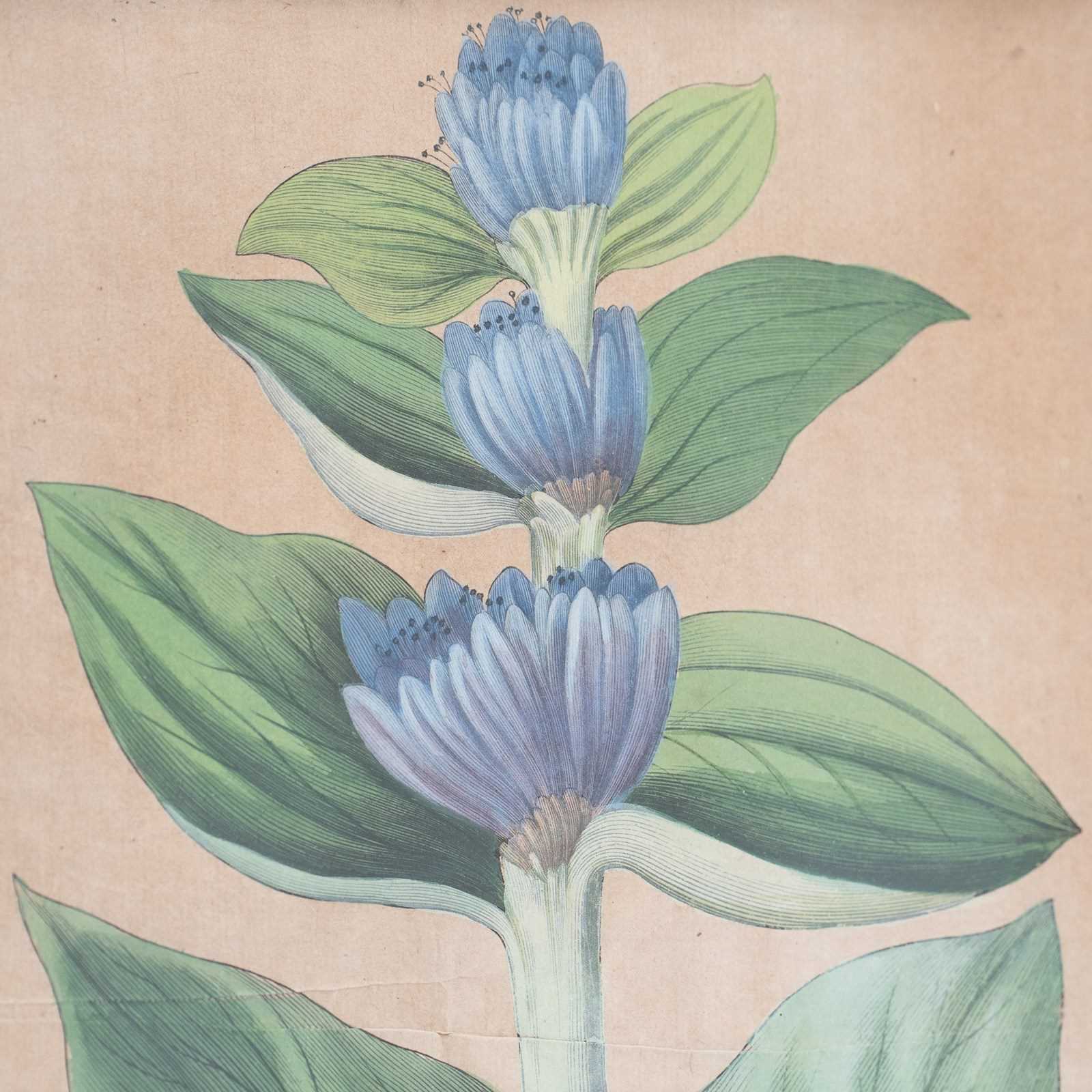
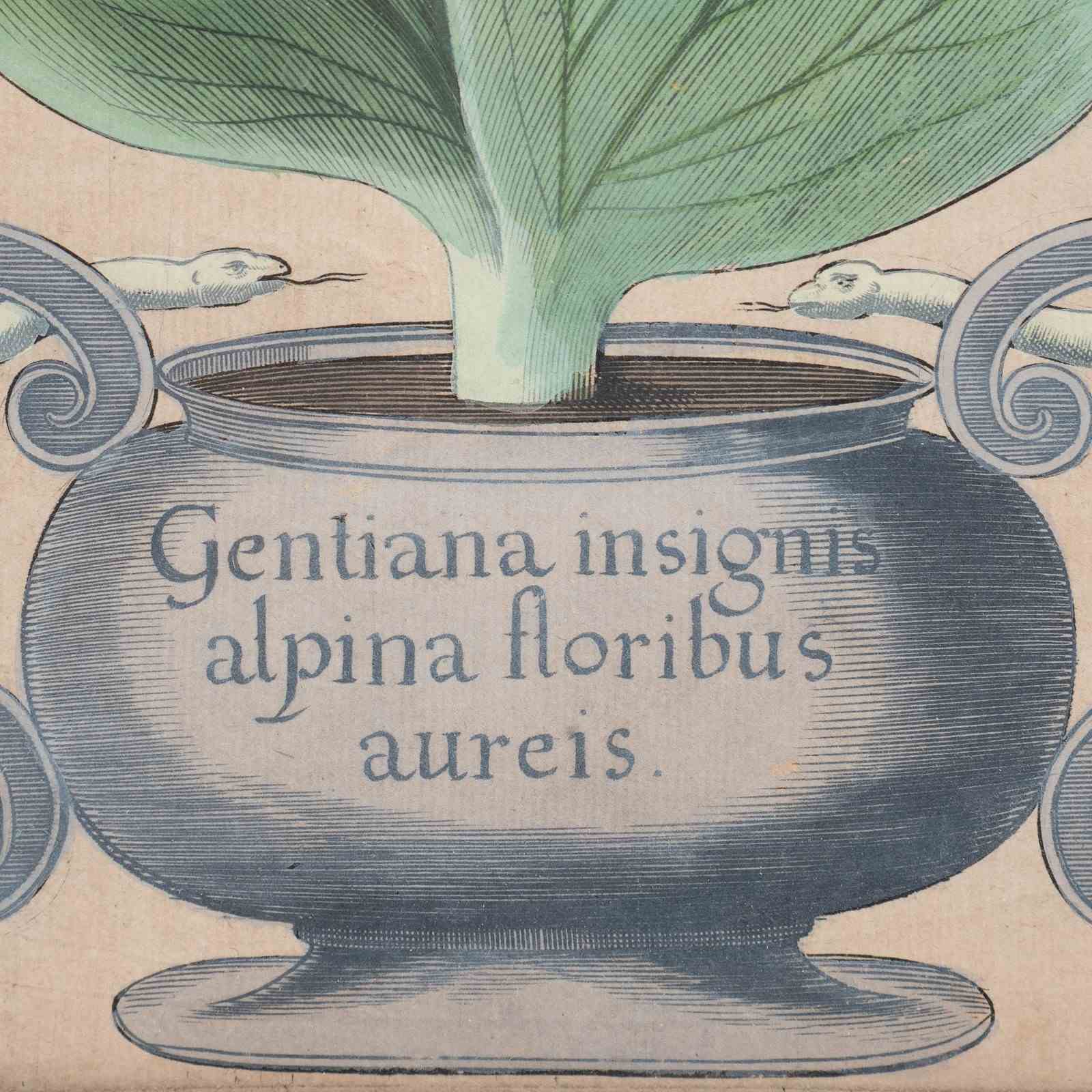
Originating from the celebrated natural history compendiums of the German physician and botanist Michael Rupert Besler (1607–1661)—each plate depicts a unique alpine or exotic botanical specimen rising elegantly from an ornate, twin-handled classical urn. The collection features highly sought-after plates, including the grand 'Gentiana Insignis Alpina Floribus Aureis' and 'Amaranthus Mexicanus'.
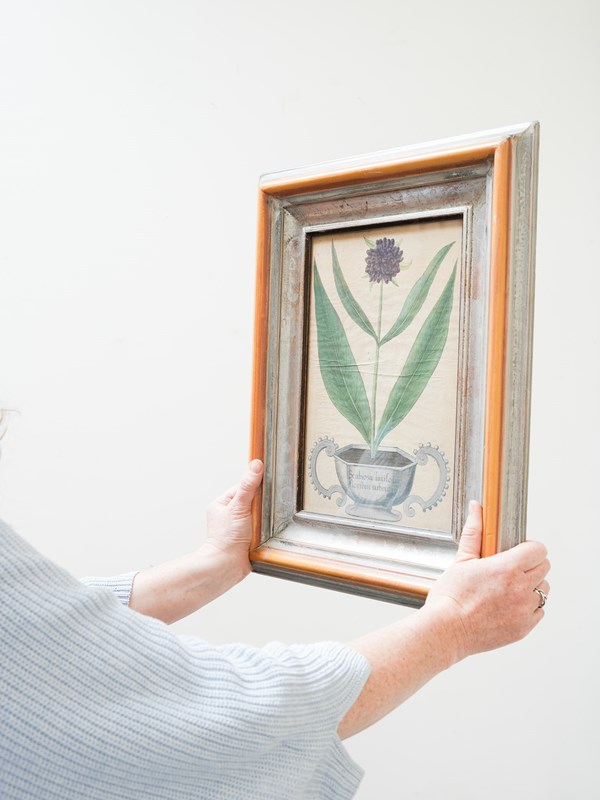
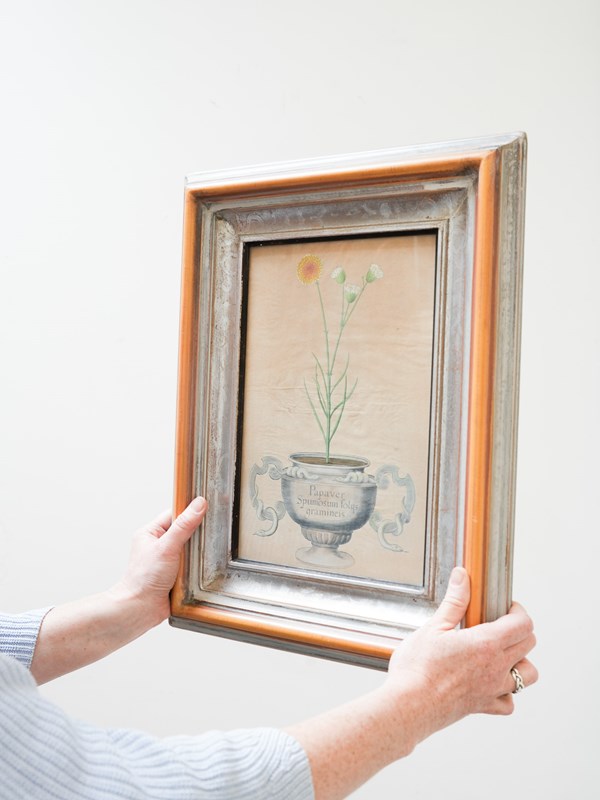
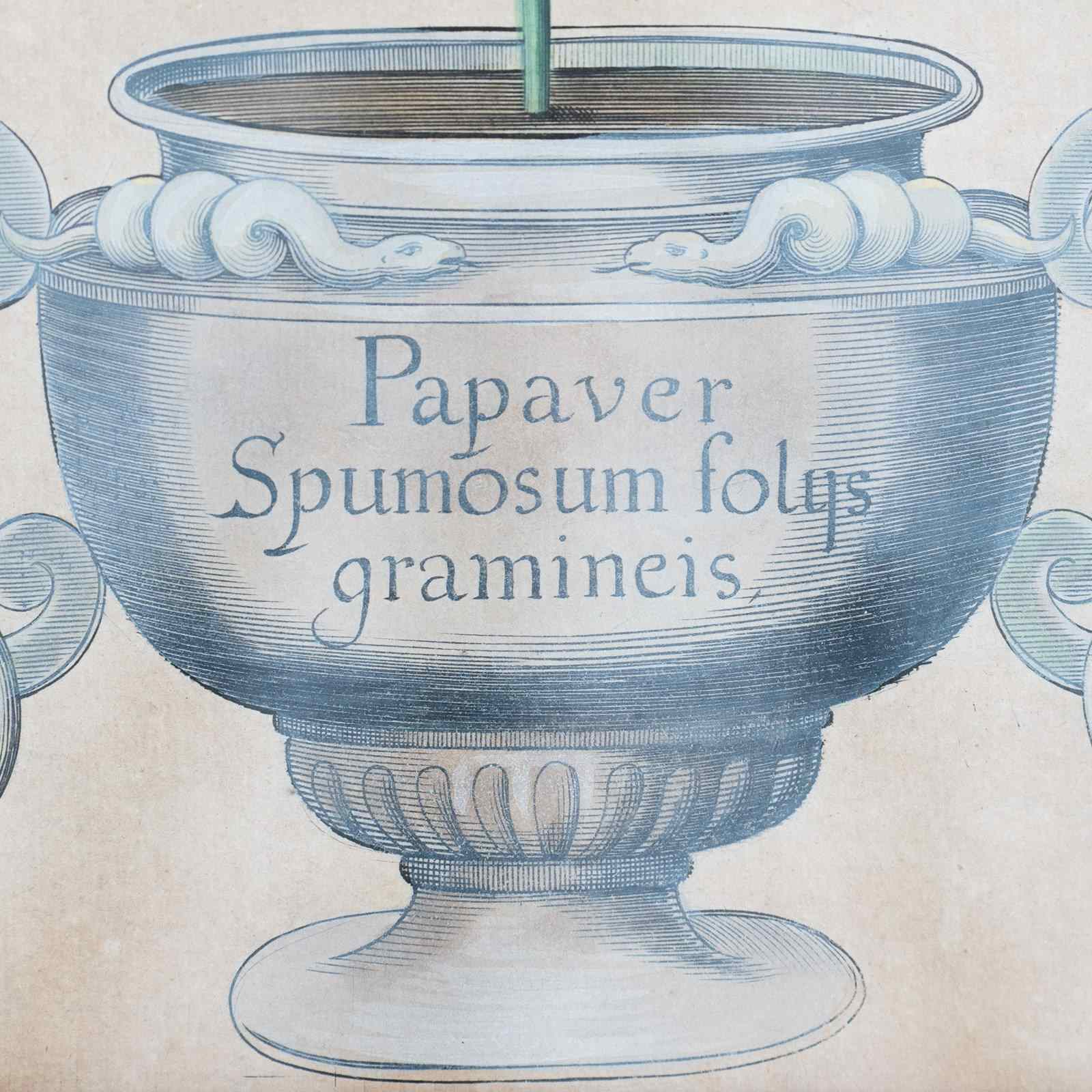
These works beautifully bridge the gap between scientific curiosity and exquisite artistic merit. Each specimen is presented with its delicate Latin classification hand-engraved across the body of the cartouche-style urns.
Condition: Excellent antique condition. Beautiful, authentic toning to the paper consistent with 18th-century sheets. 20th Century frames.
-----
Michael Rupert Besler was a distinguished 17th-century German physician, apothecary, and scholar-collector whose work epitomizes the golden age of European natural history and the phenomenon of the Wunderkammer (Cabinet of Curiosities).
Born in the historic cultural hub of Nuremberg, Besler belonged to a legendary dynasty of European naturalists. He was the nephew of Basilius Besler, the renowned botanist responsible for creating the Hortus Eystettensis (1613)—widely considered the greatest grand-scale botanical work ever published.
The Guardian of the Proto-Museum
Having trained as a physician, Michael Rupert assumed control of the expansive natural history collection originally established by his uncle Basilius and his father, Hieronymus. He acted not just as a custodian, but as an aggressive collector, significantly expanding the family's "proto-museum."
His collections were a spectacle of early Baroque intellectual curiosity, housing everything from rare minerals, antique coins, and taxidermy birds of paradise to legendary artifacts like a purported "unicorn horn."
The Masterwork: Gazophylacium Rerum Naturalium
In 1642, Besler published his seminal masterwork cataloging the contents of his private museum: Gazophylacium Rerum Naturalium E Regno Vegetabili, Animali et Minerali (The Treasury of Natural Objects from the Vegetable, Animal, and Mineral Kingdoms).
Unlike his uncle’s purely botanical focuses, Michael Rupert’s engravings beautifully blended scientific accuracy with highly theatrical, ornamental presentation. In the Regno Vegetabili (Vegetable Kingdom) section, Besler established his signature stylistic footprint: rather than floating on the page, rare botanical specimens were meticulously depicted growing out of elegant, classical twin-handled urns, with the plant’s Latin classifications hand-engraved onto the stone bodies of the vessels.
Legacy & Collectibility
Though Besler passed away in Nuremberg in 1661, his plates were deemed so artistically and scientifically significant that the copper plates were preserved and reissued in major luxury folio editions throughout the 18th century (most notably in 1716 and 1733).
Today, original 18th-century strikes from Besler’s Gazophylacium are highly prized by collectors and museum archives alike. They are celebrated as a quintessential intersection of early scientific documentation and refined Baroque decorative art.
Frame measurements: Height 50cm x 39cm. Visible picture measurements: Height 33cm x Width 21.5cm
Item Info
Seller
Seller Location
North Yorkshire, Yorkshire
Item Dimensions
H: 50cm W: 39cm
Period
18th Century
Item Location
United Kingdom
Seller Location
North Yorkshire, Yorkshire
Item Location
United Kingdom
Seller Contact No
+44 (0)7879 460591
More from EARL & RYMER