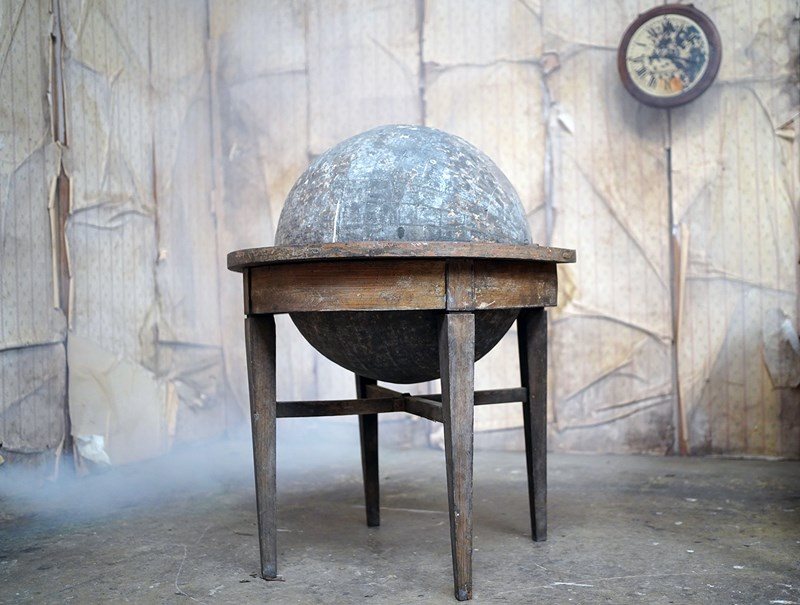
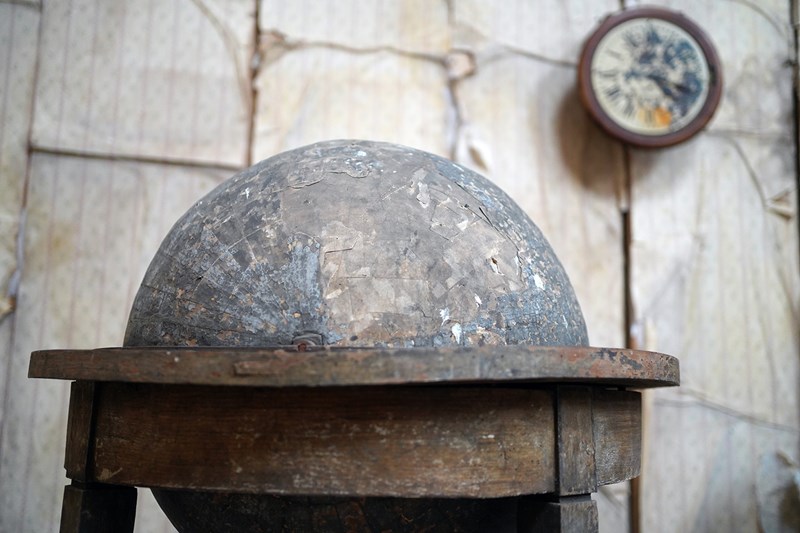
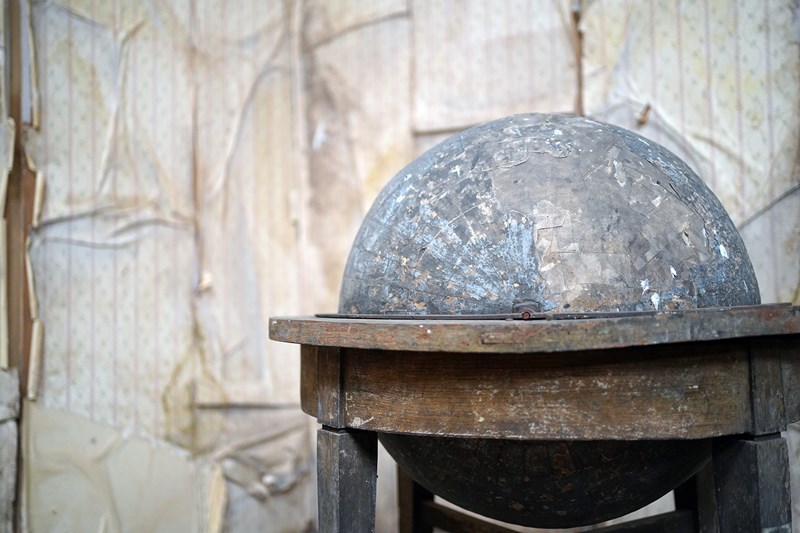
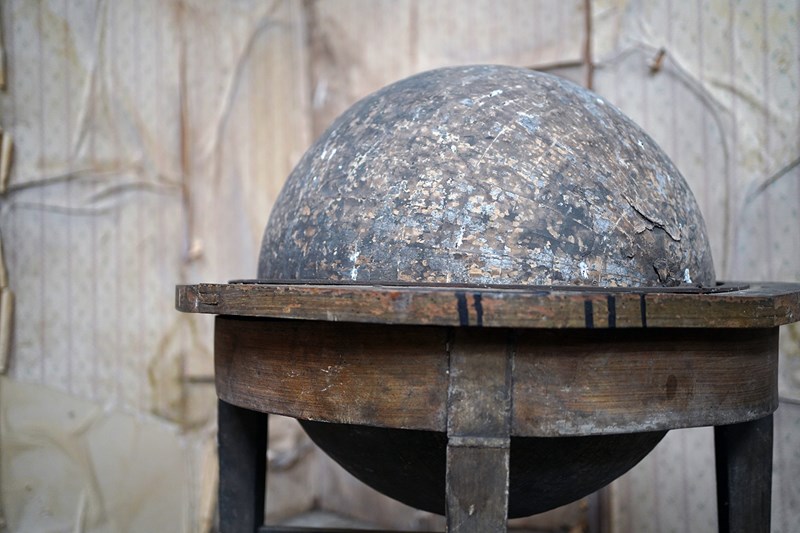
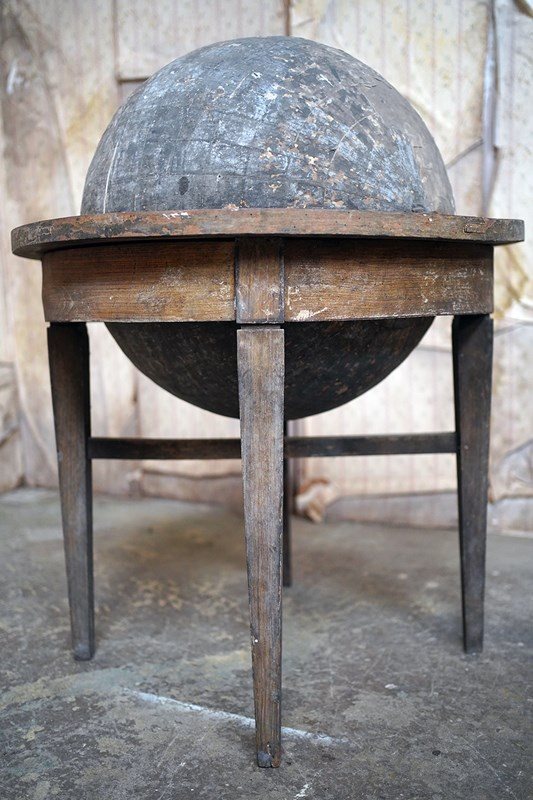
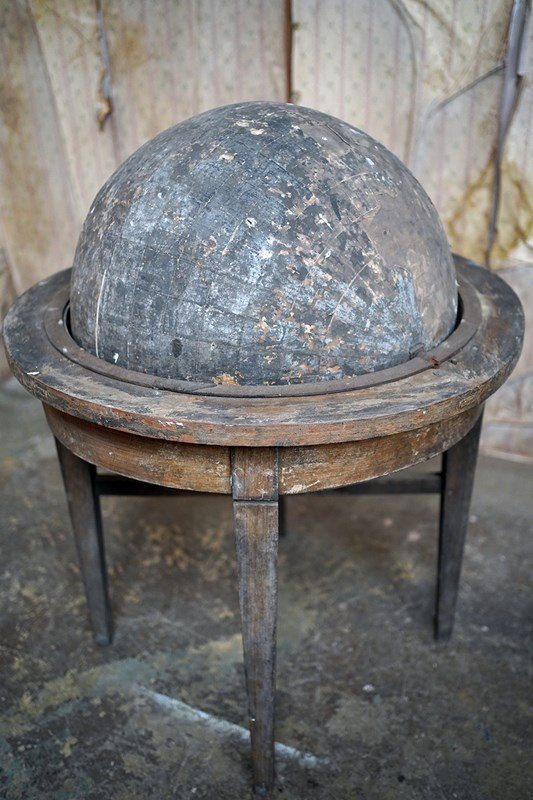
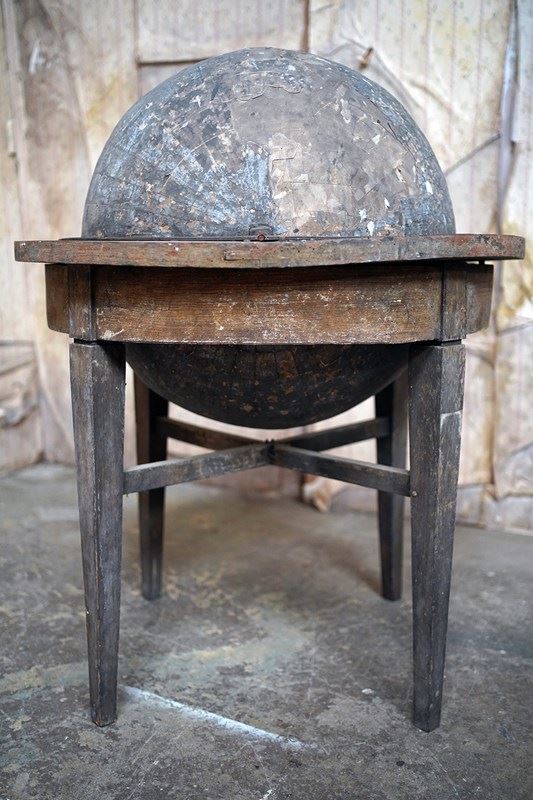
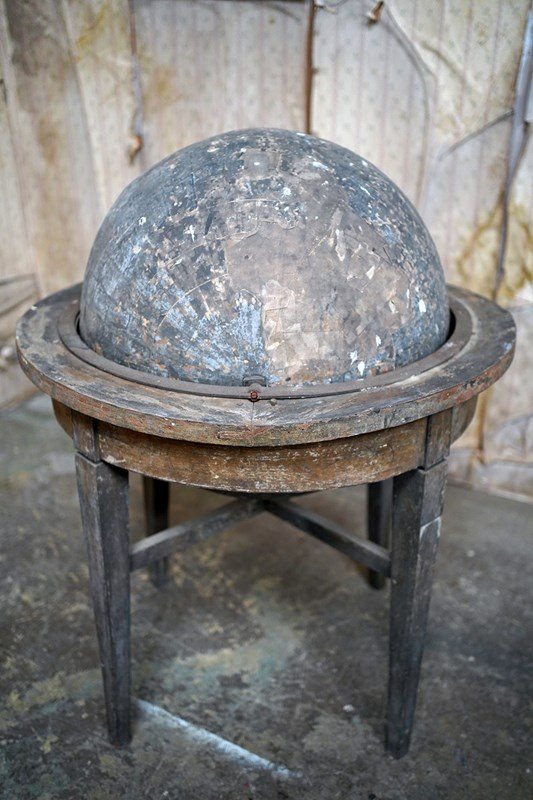
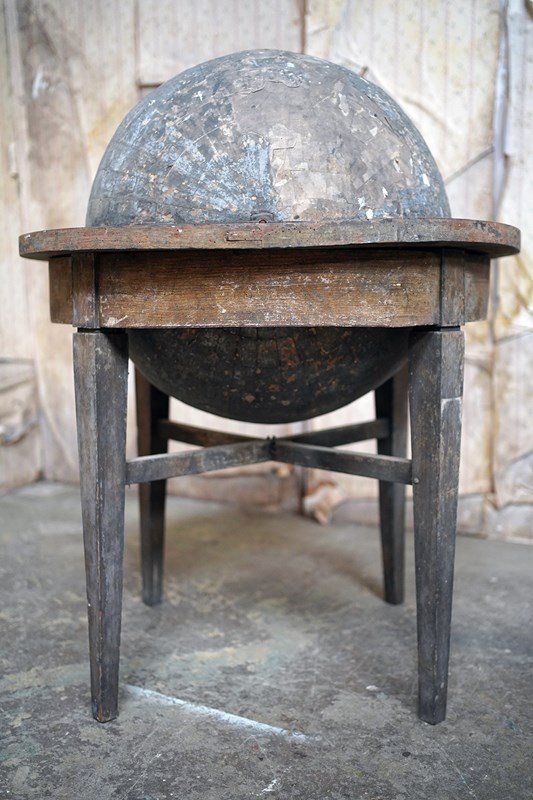
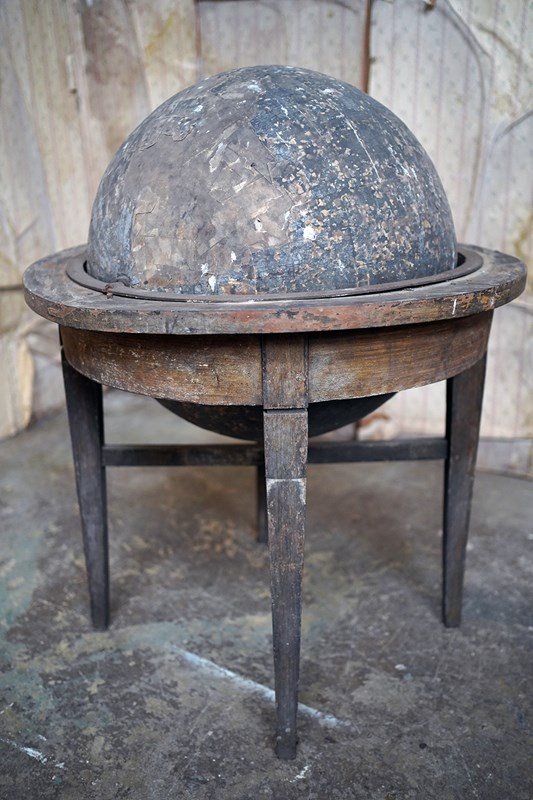
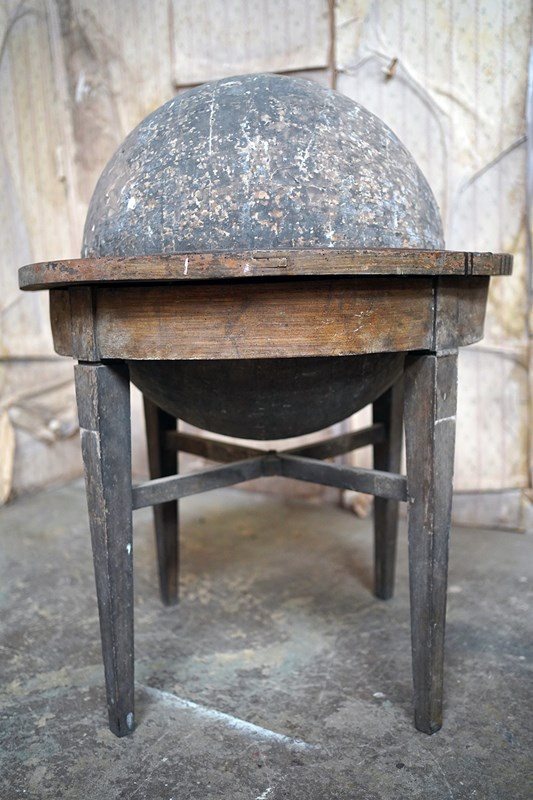
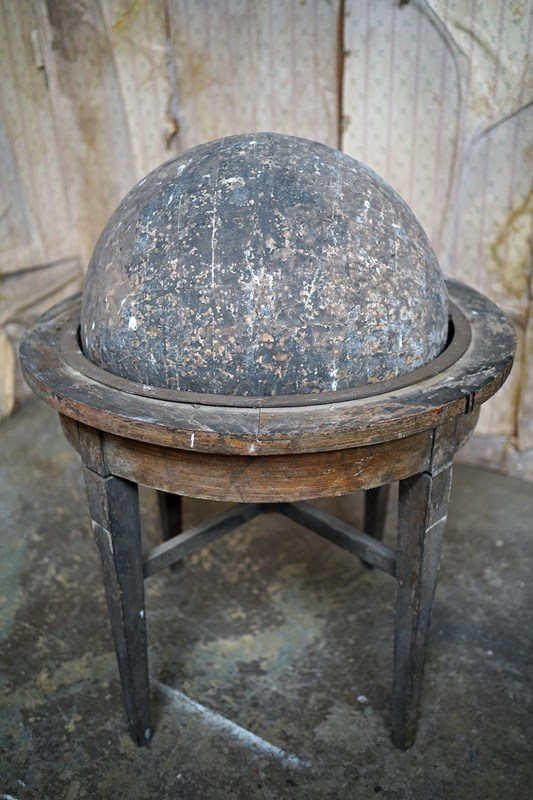
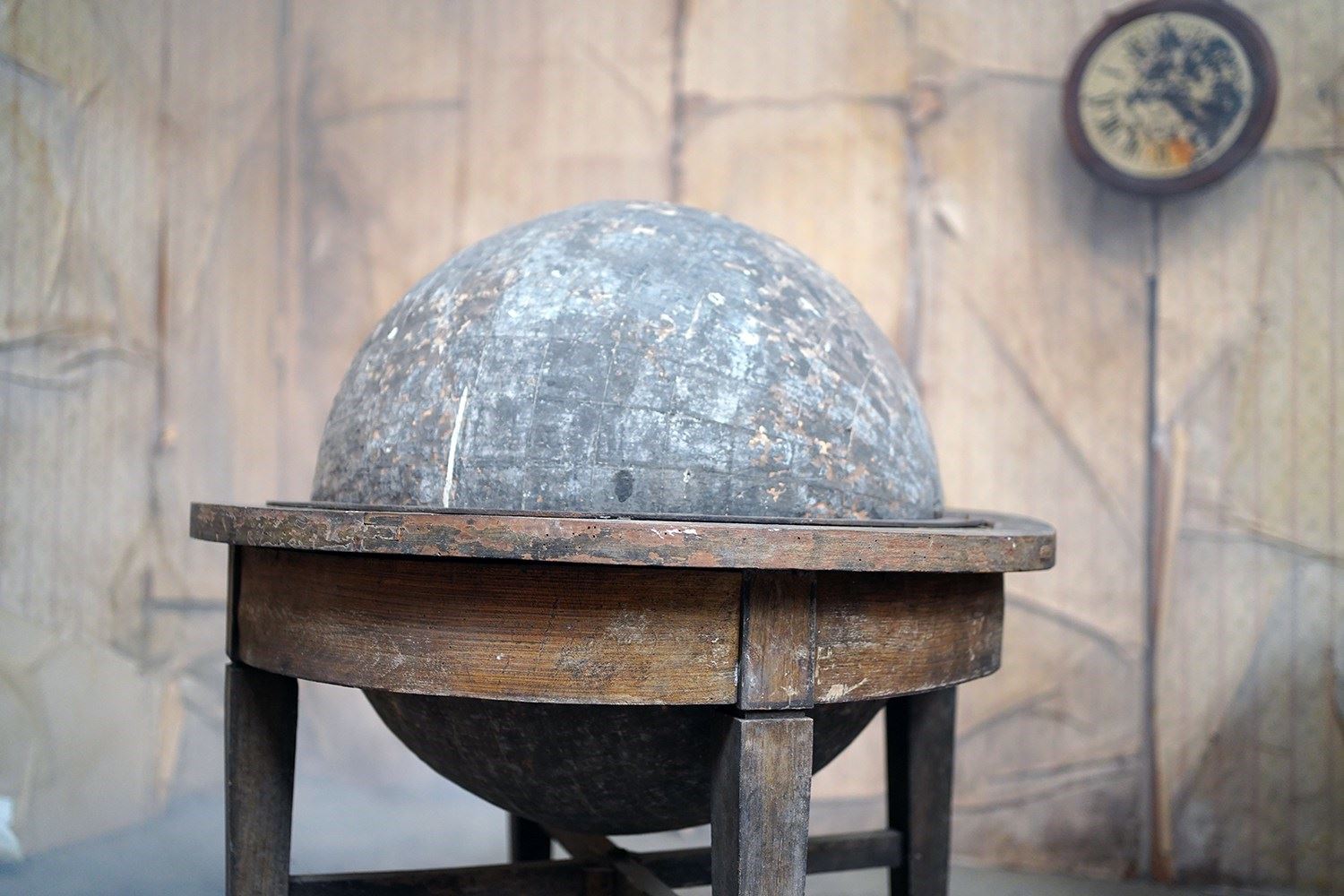
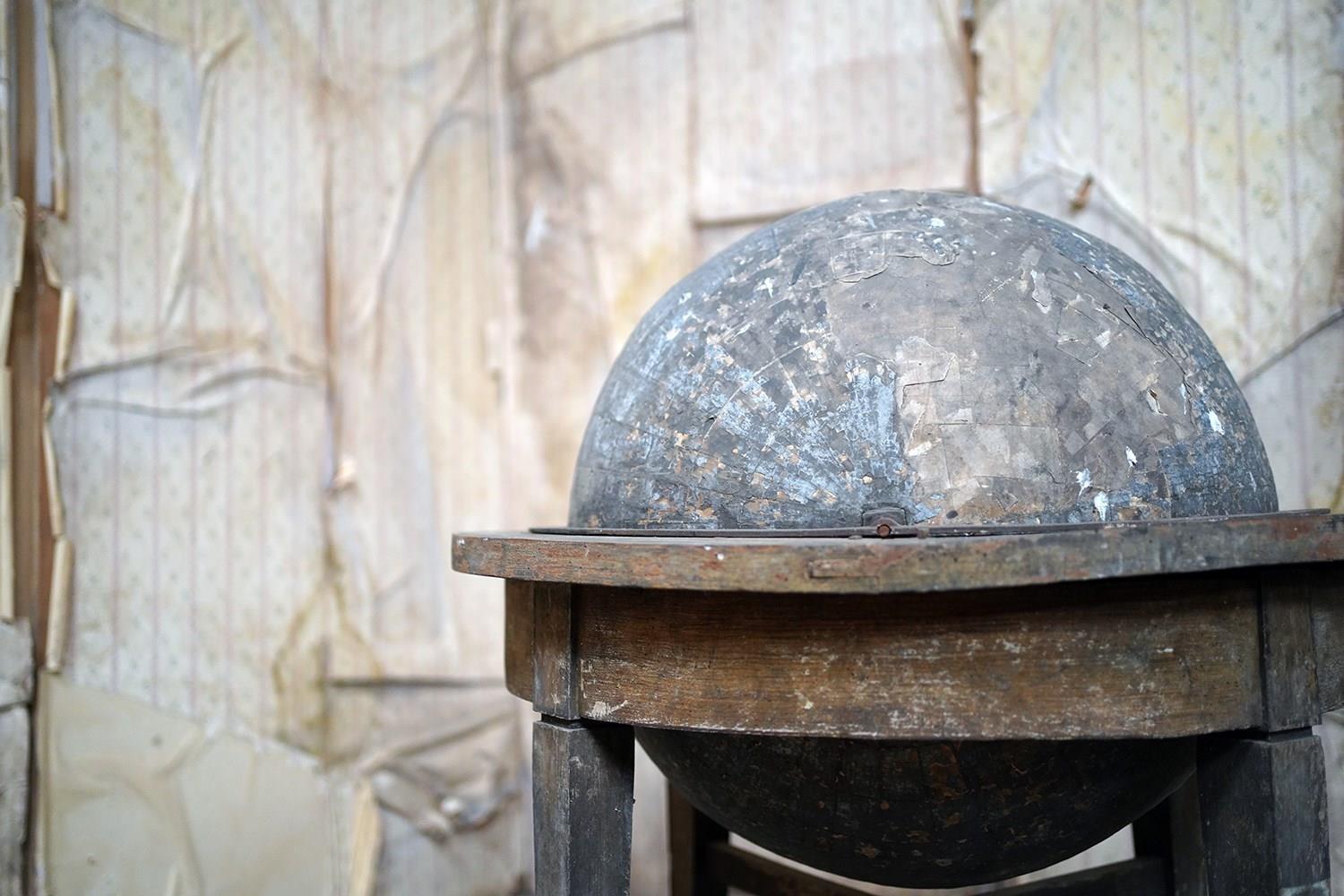
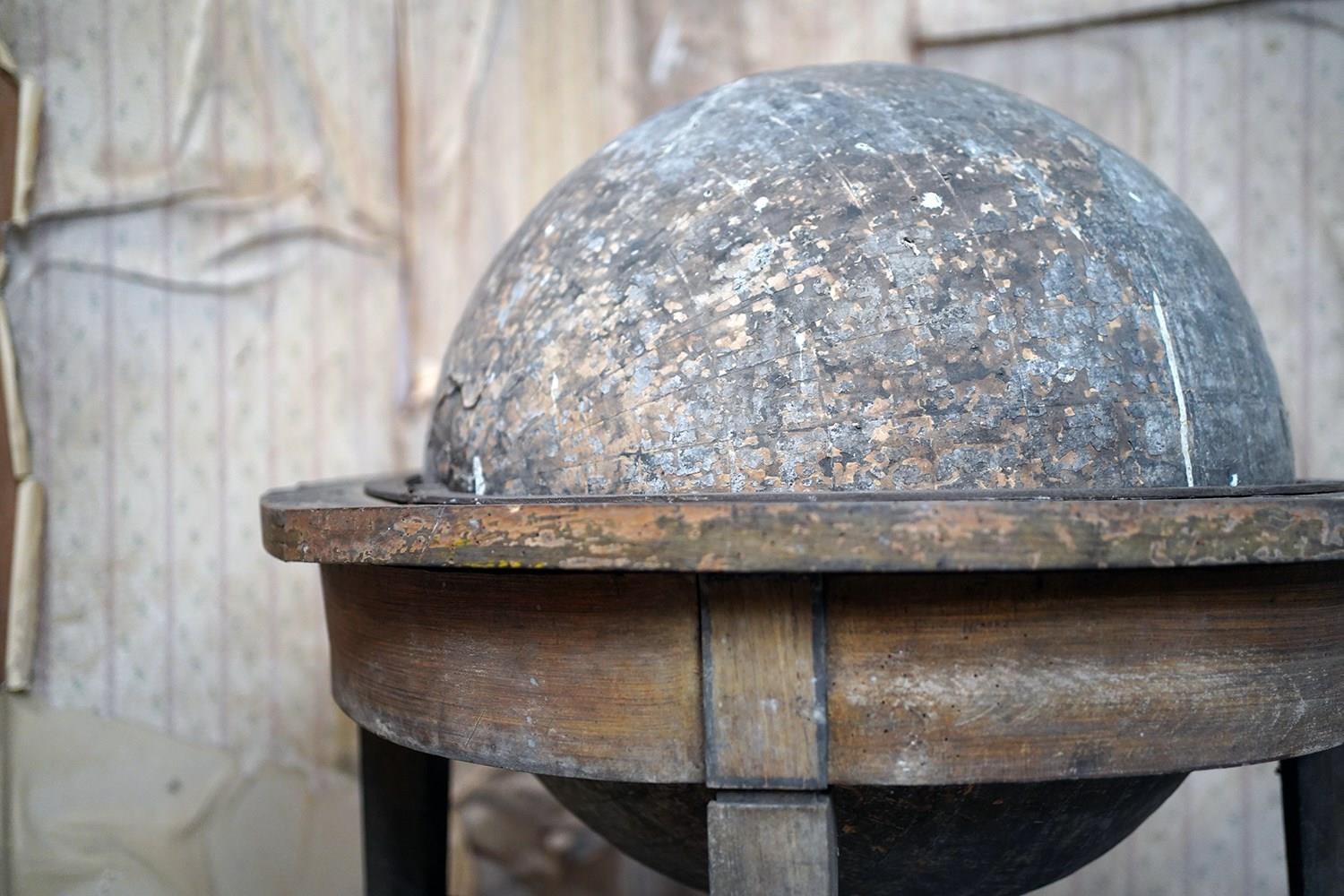
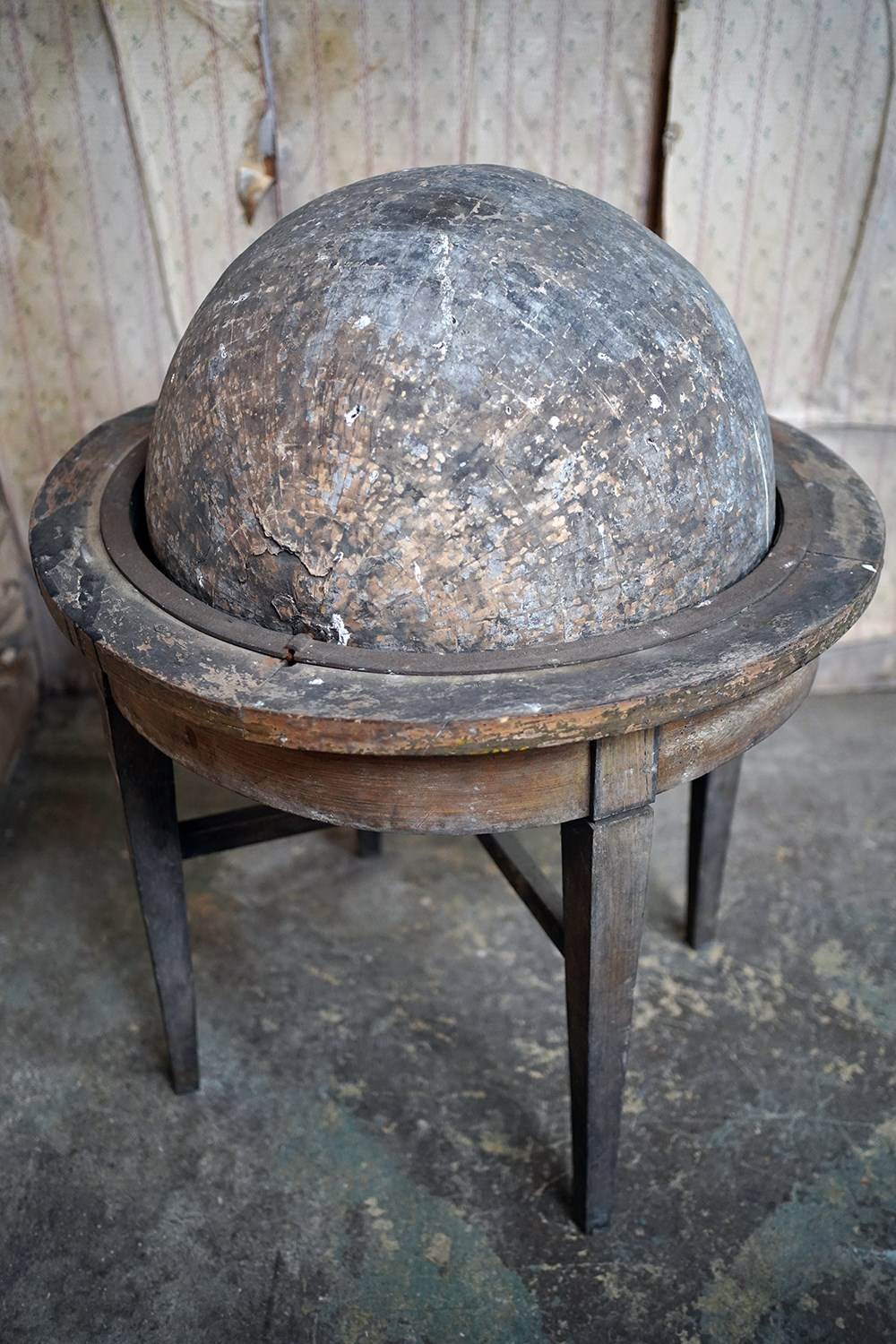
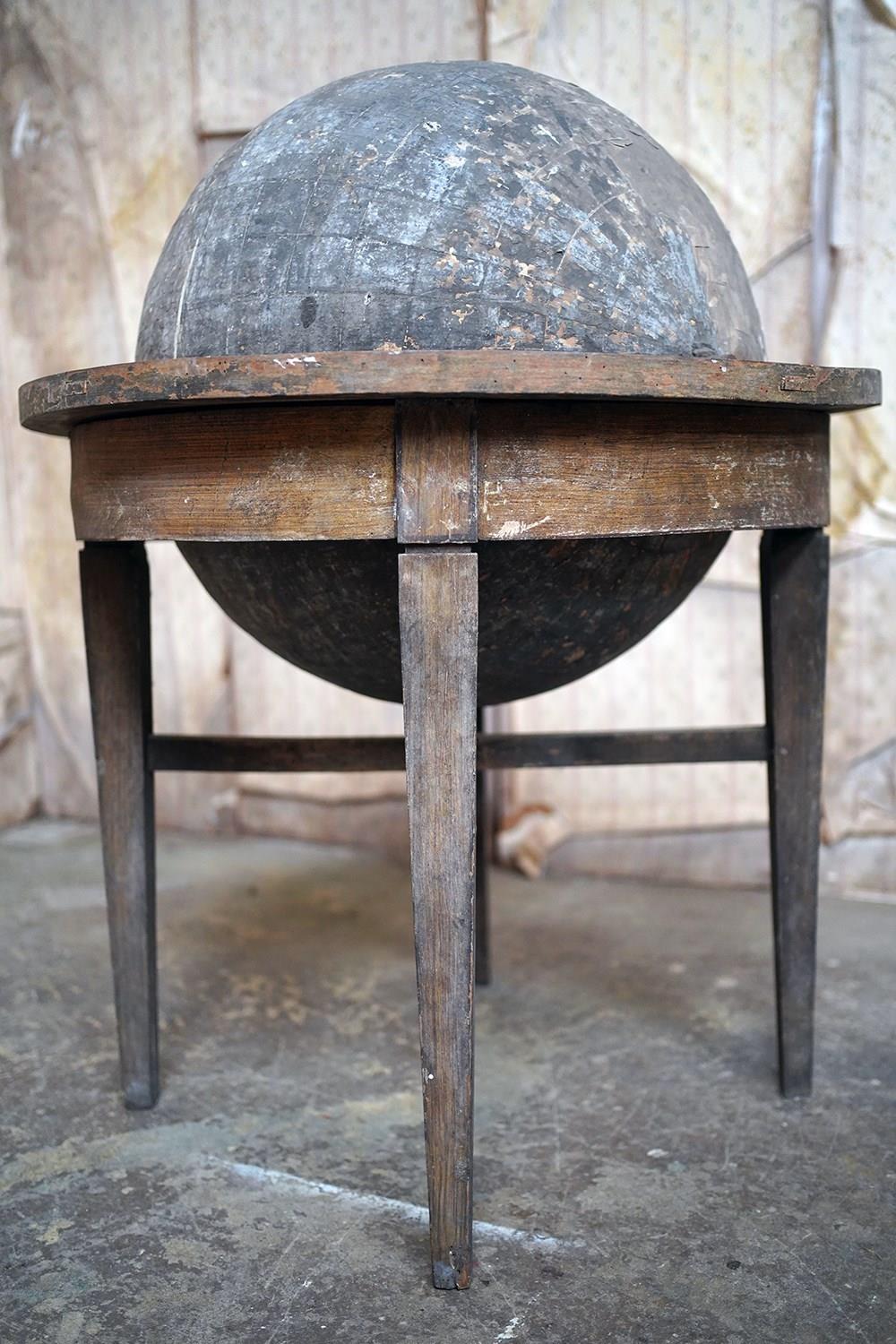
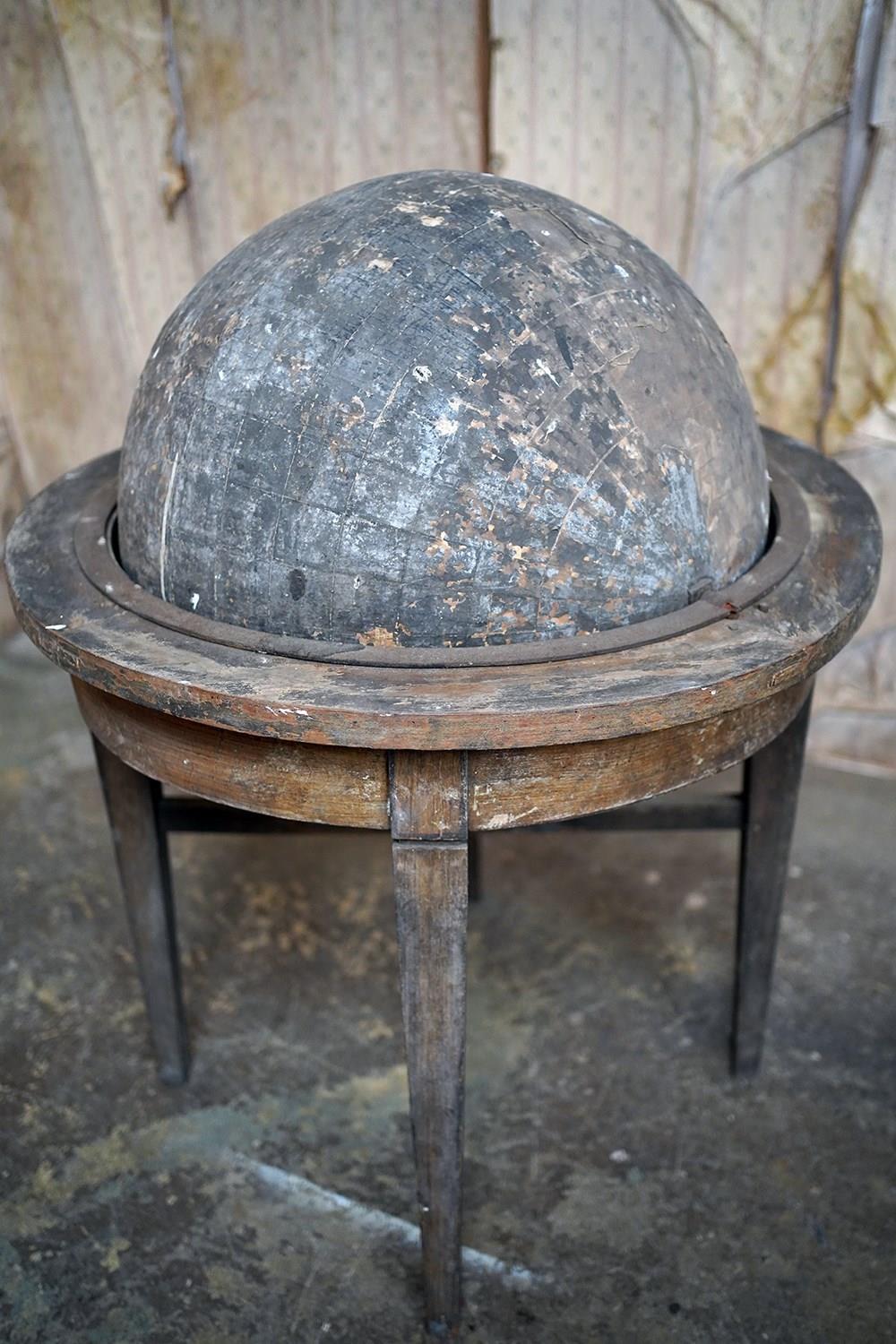
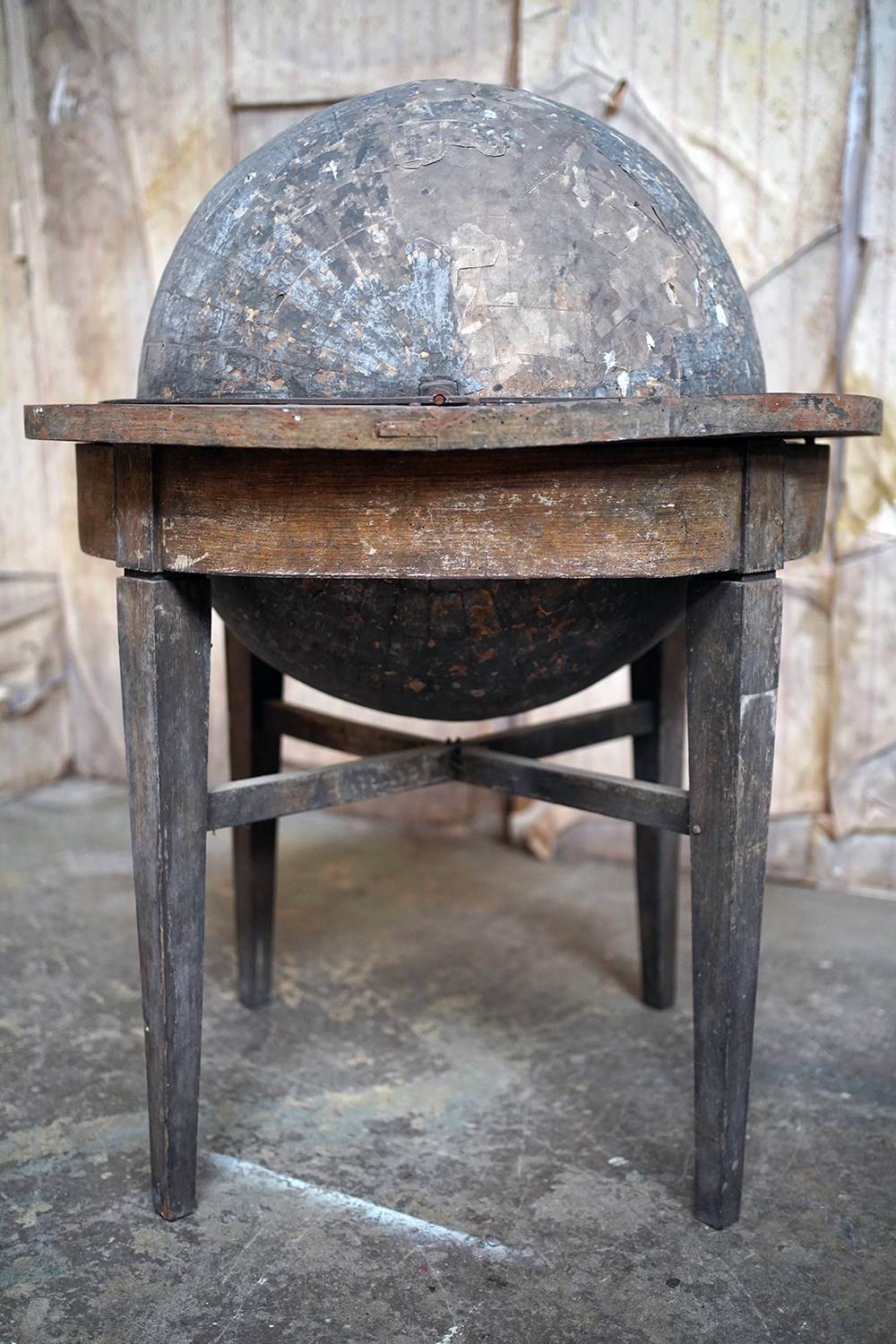
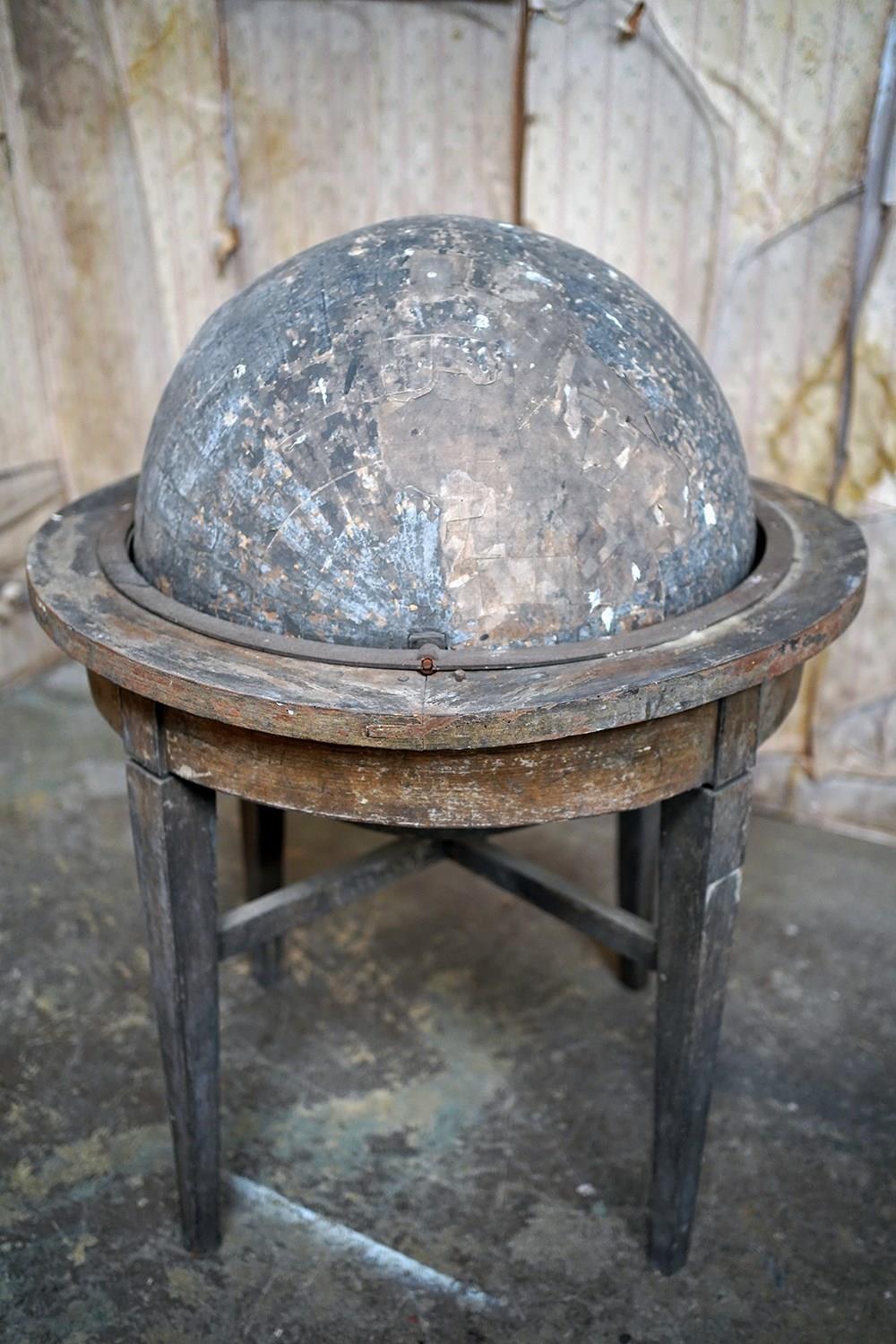
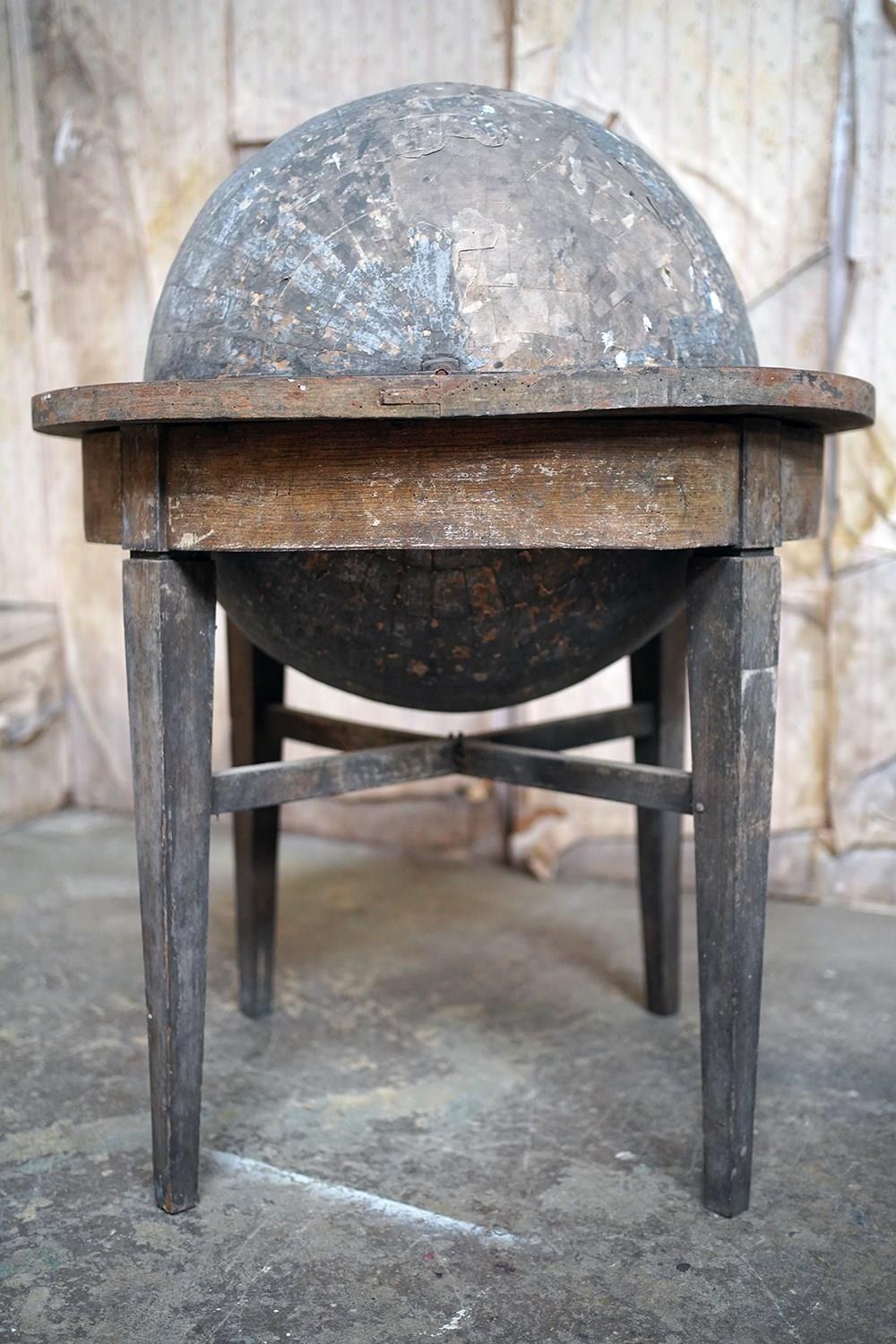
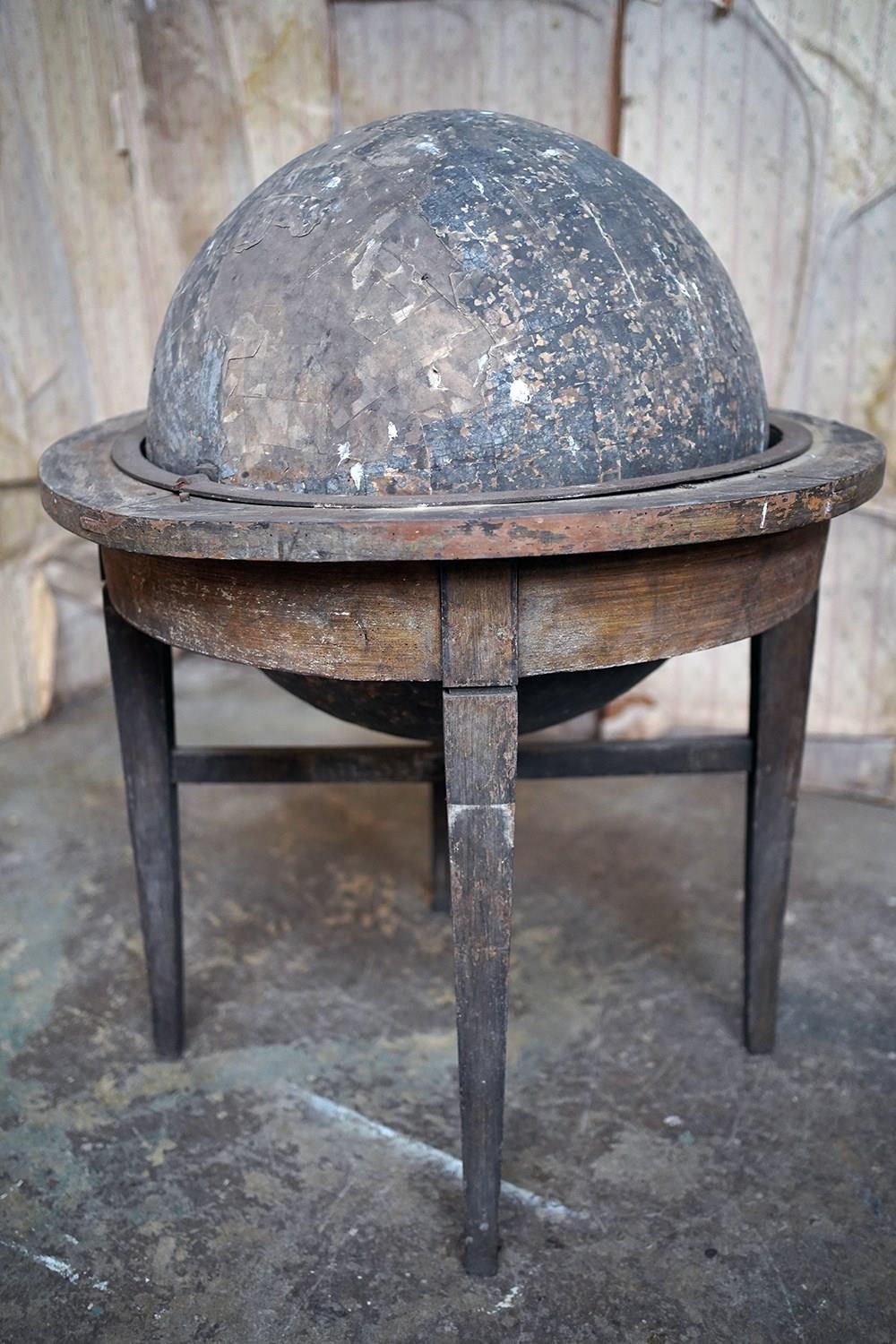
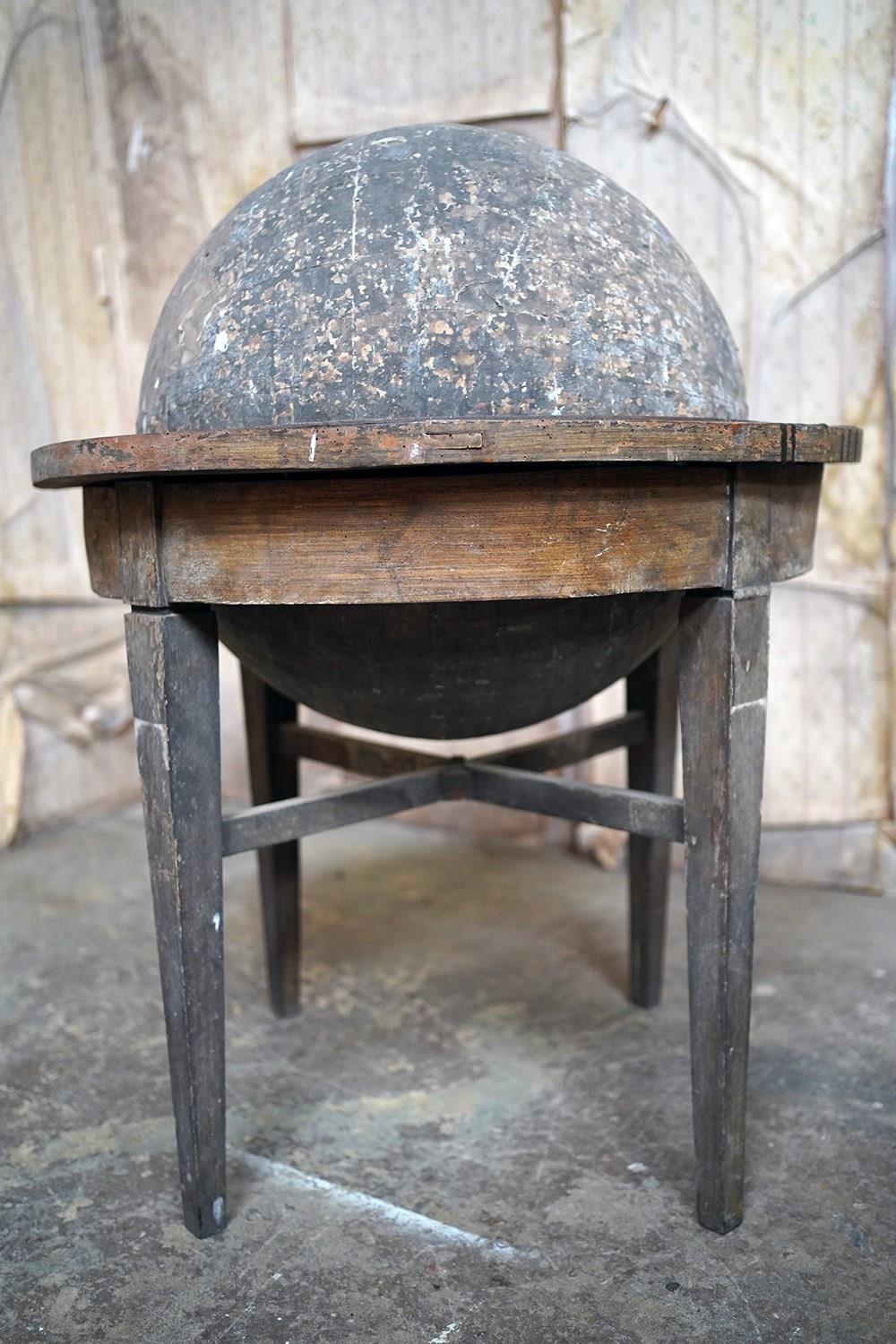
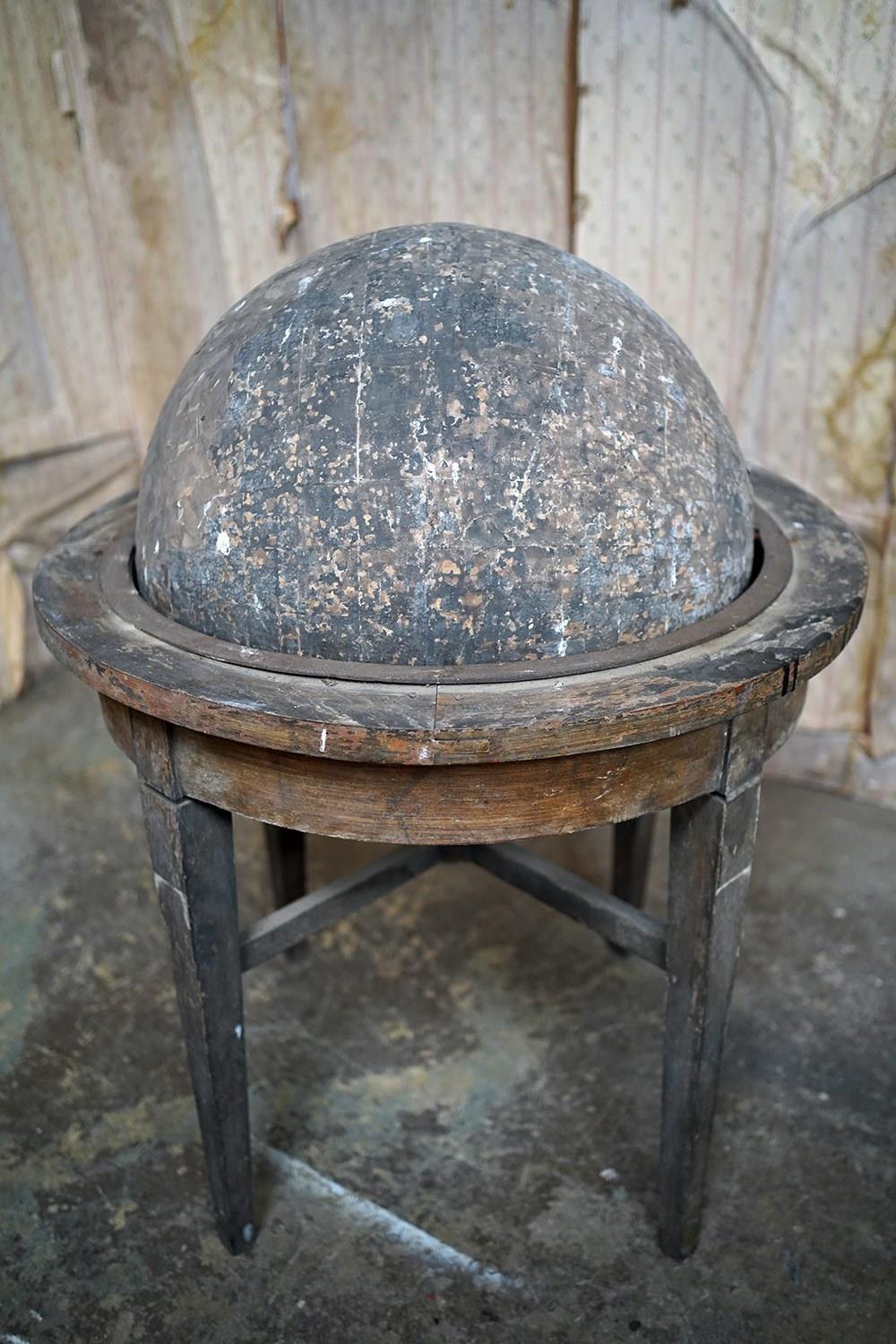
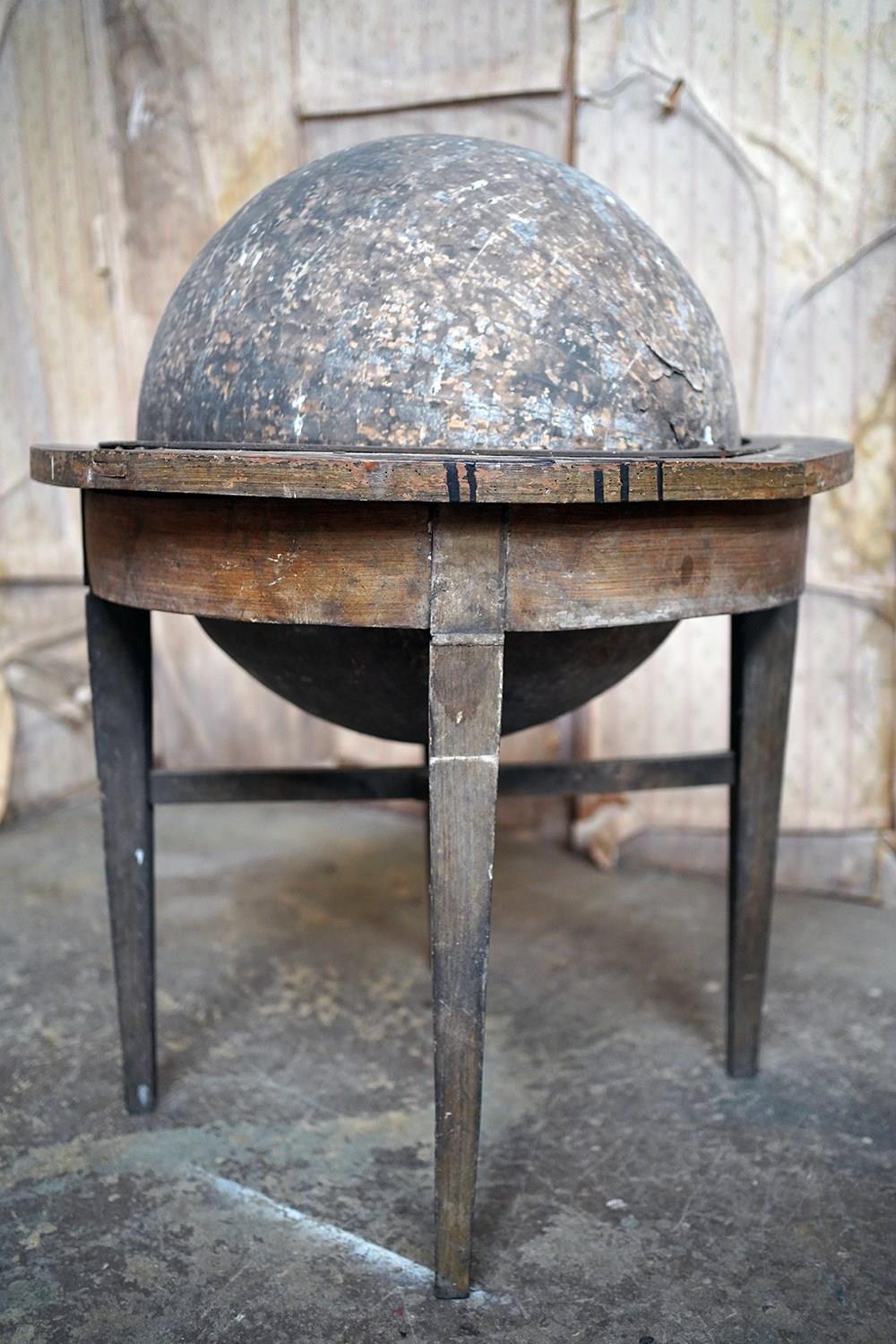
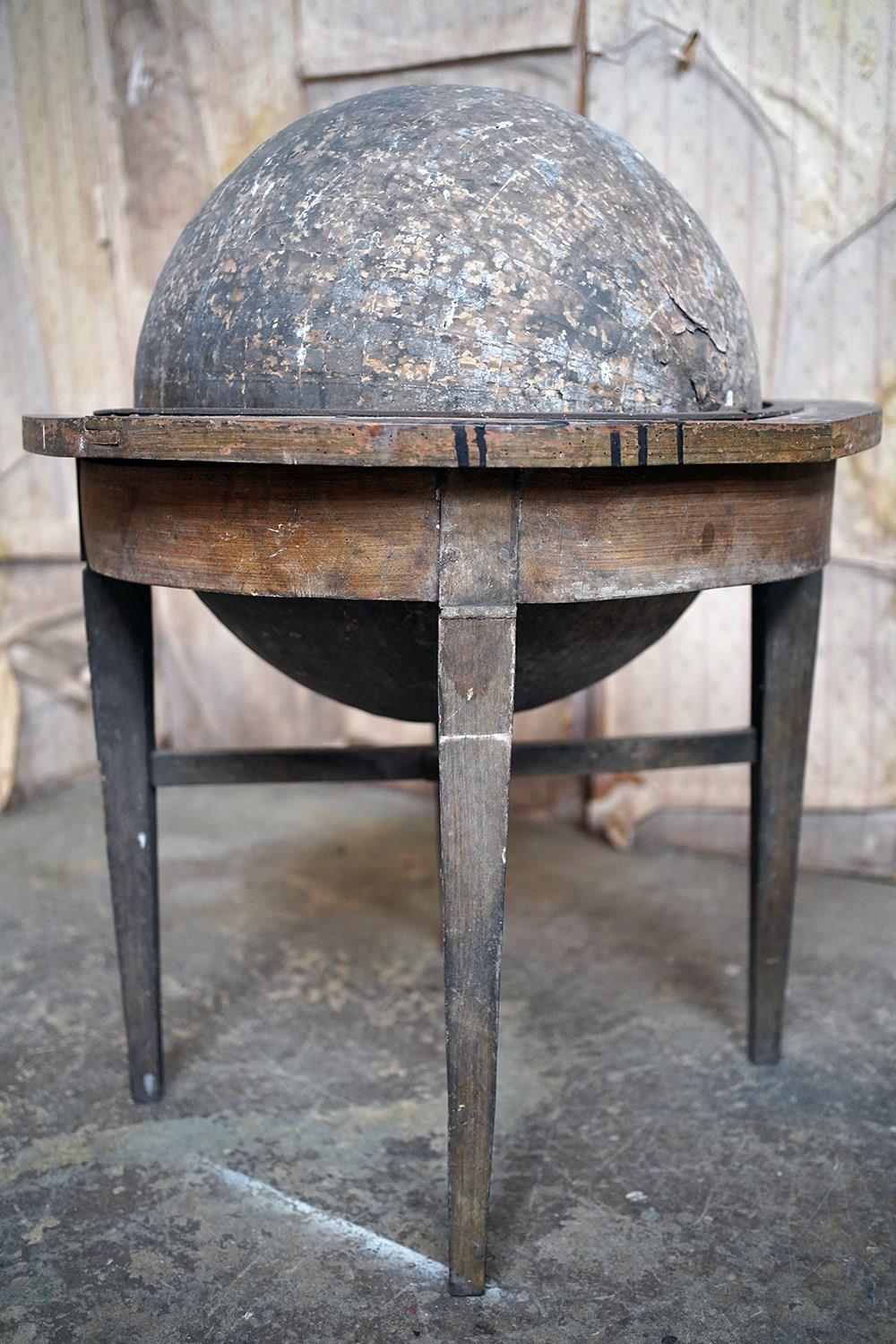
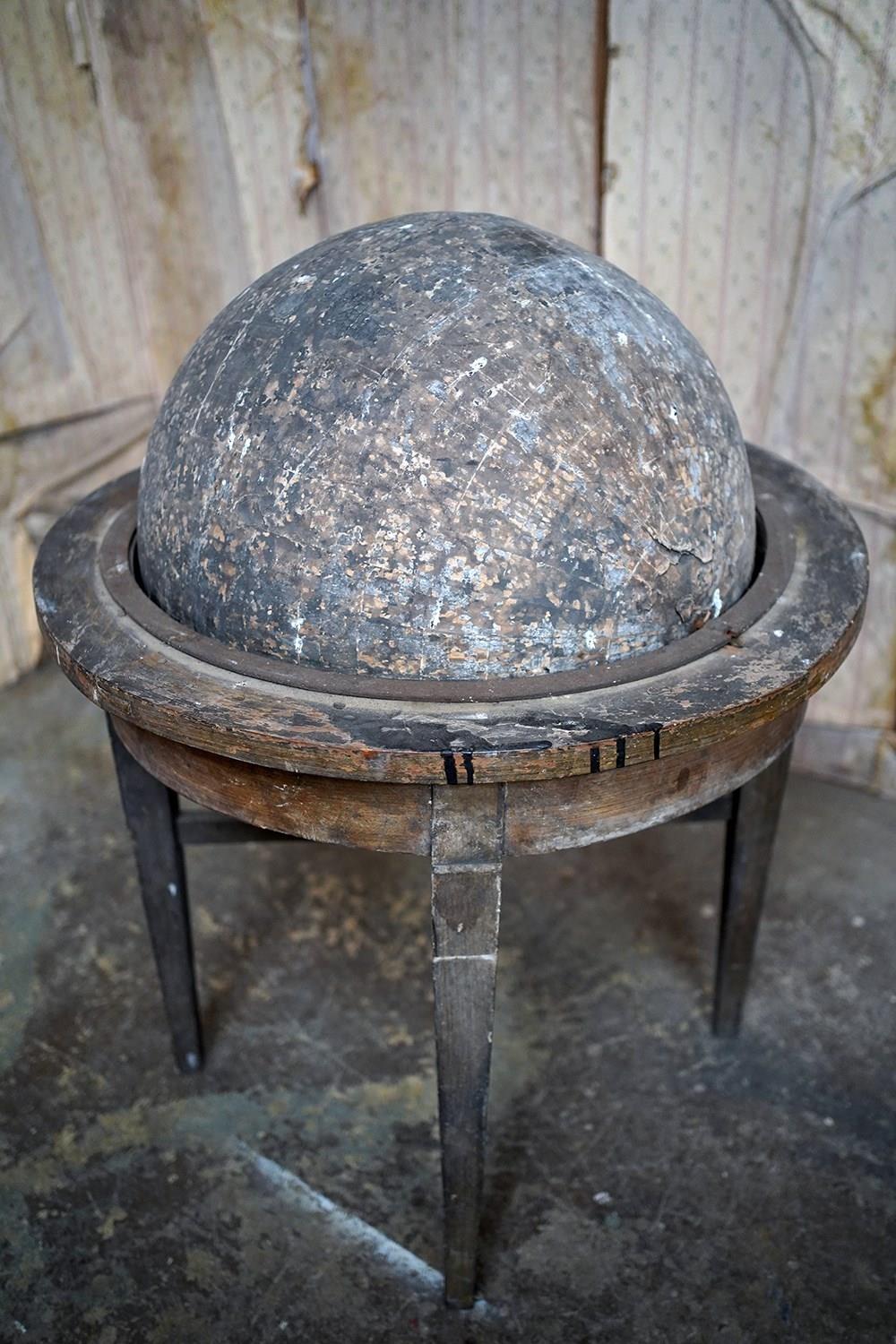
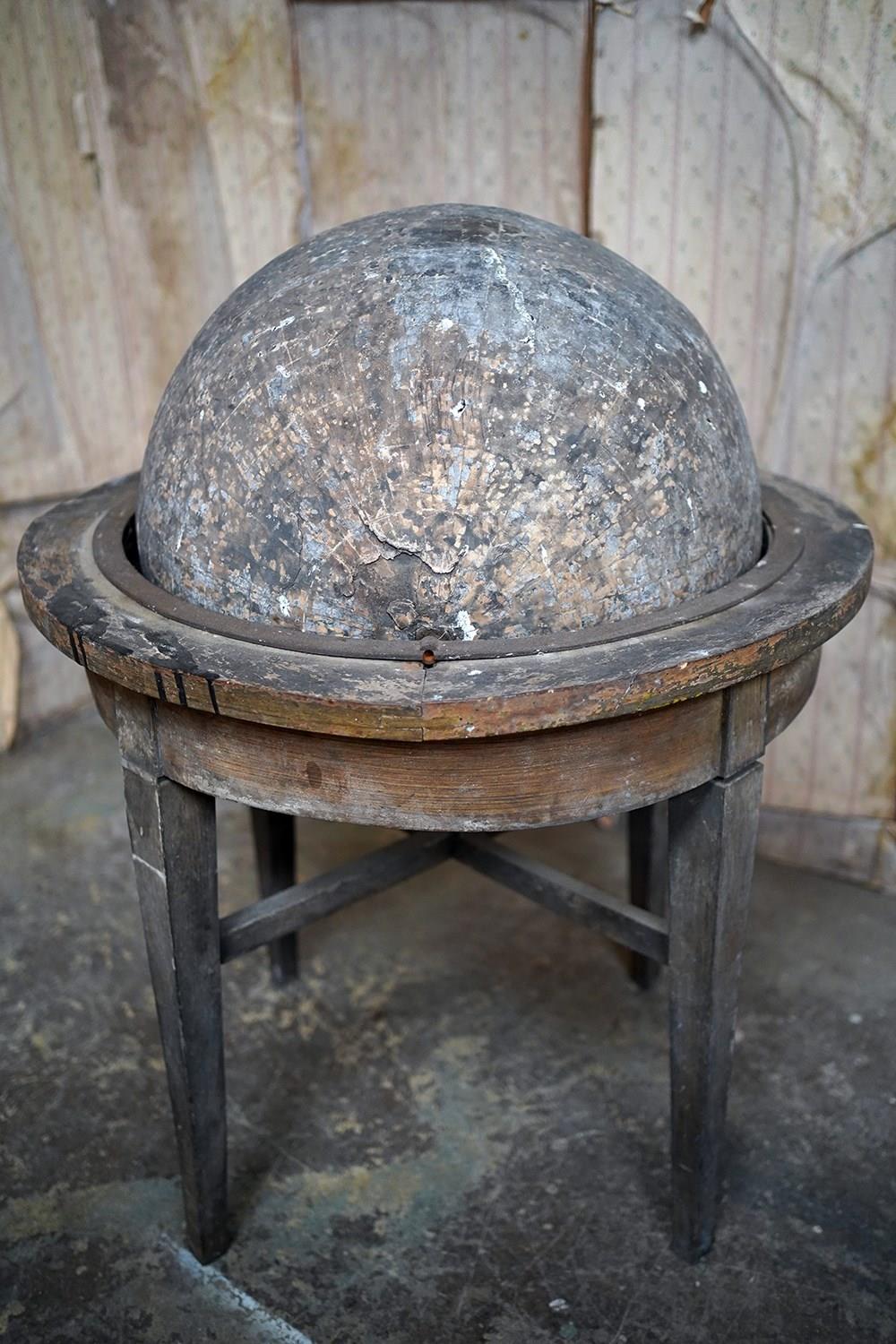
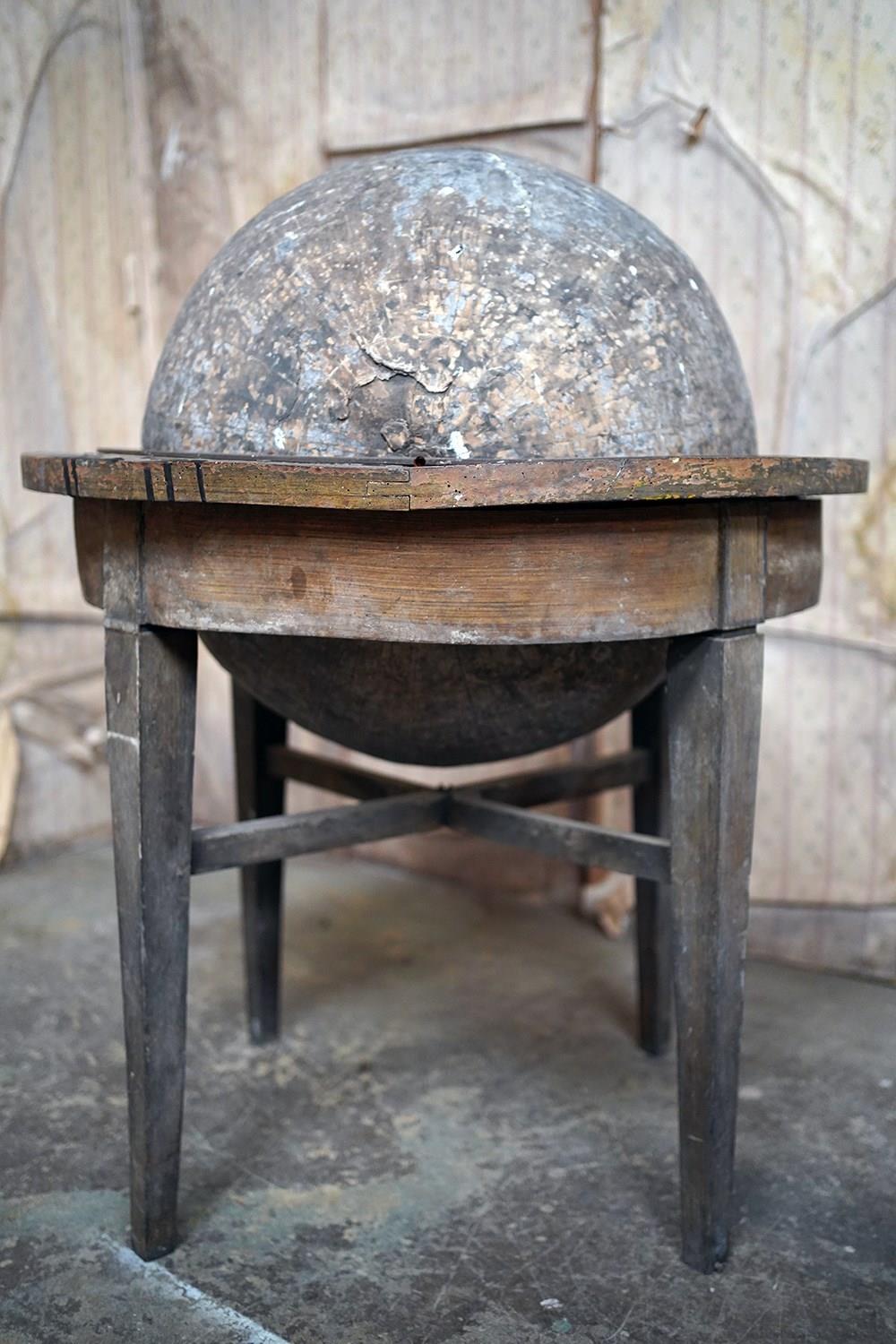
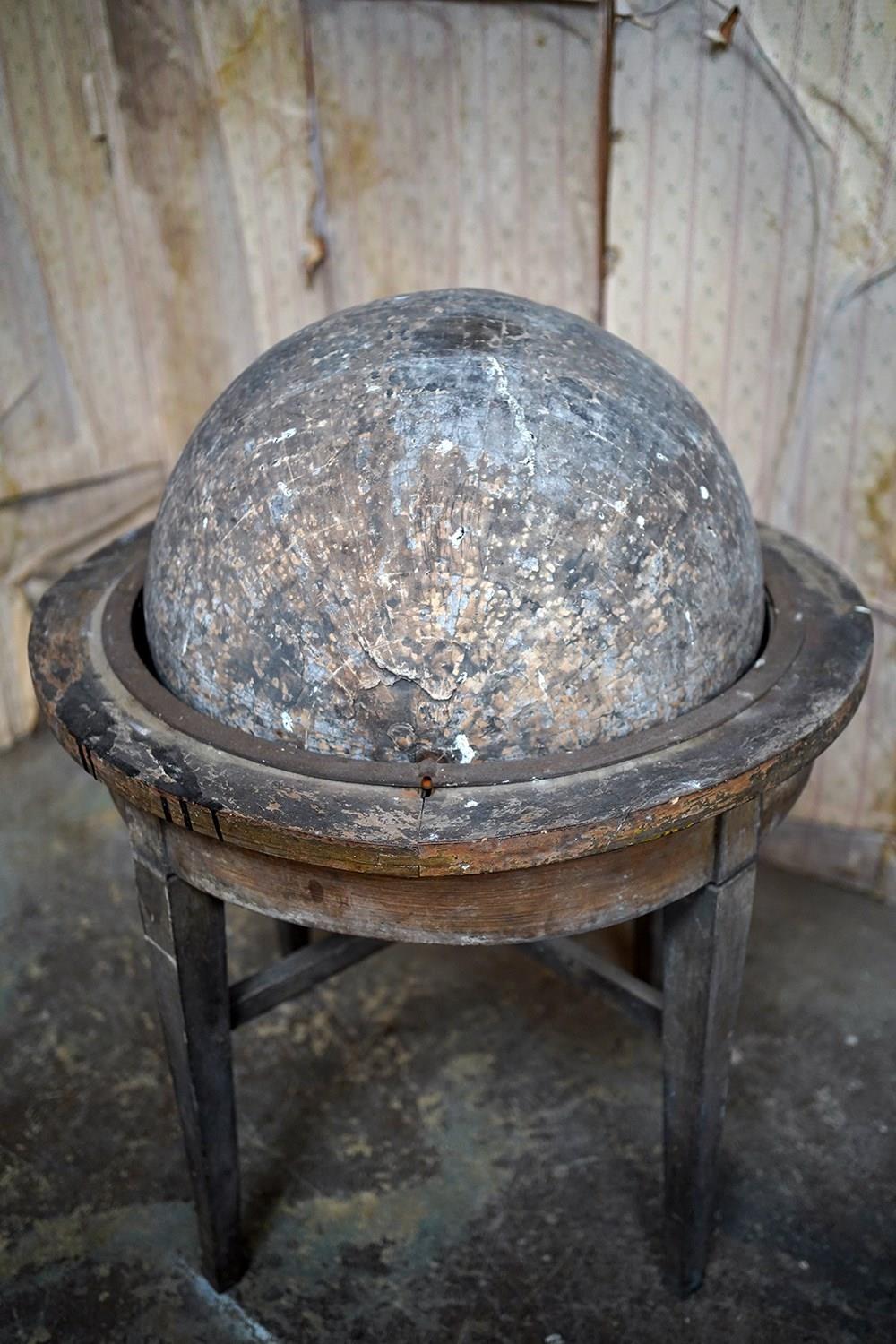
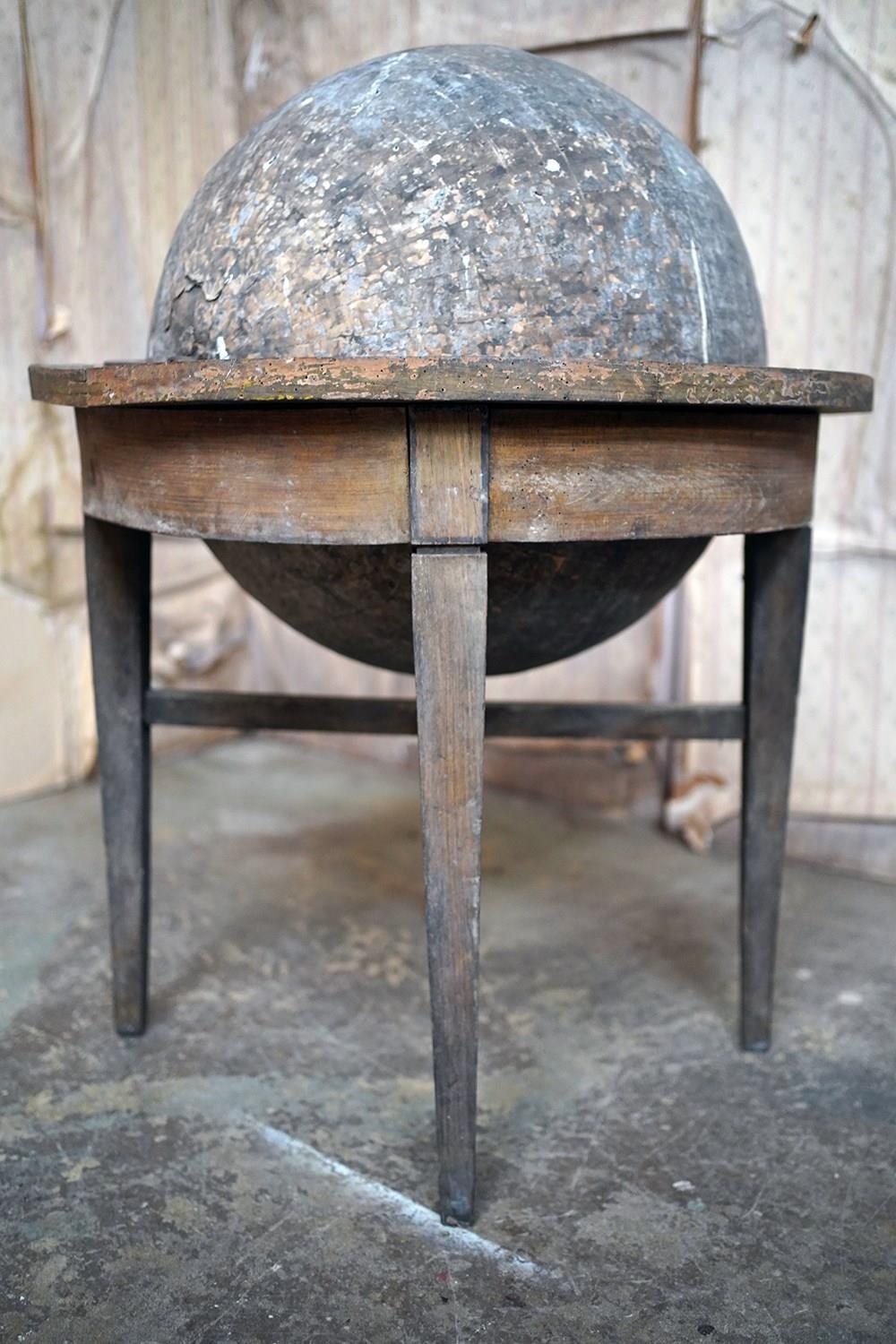
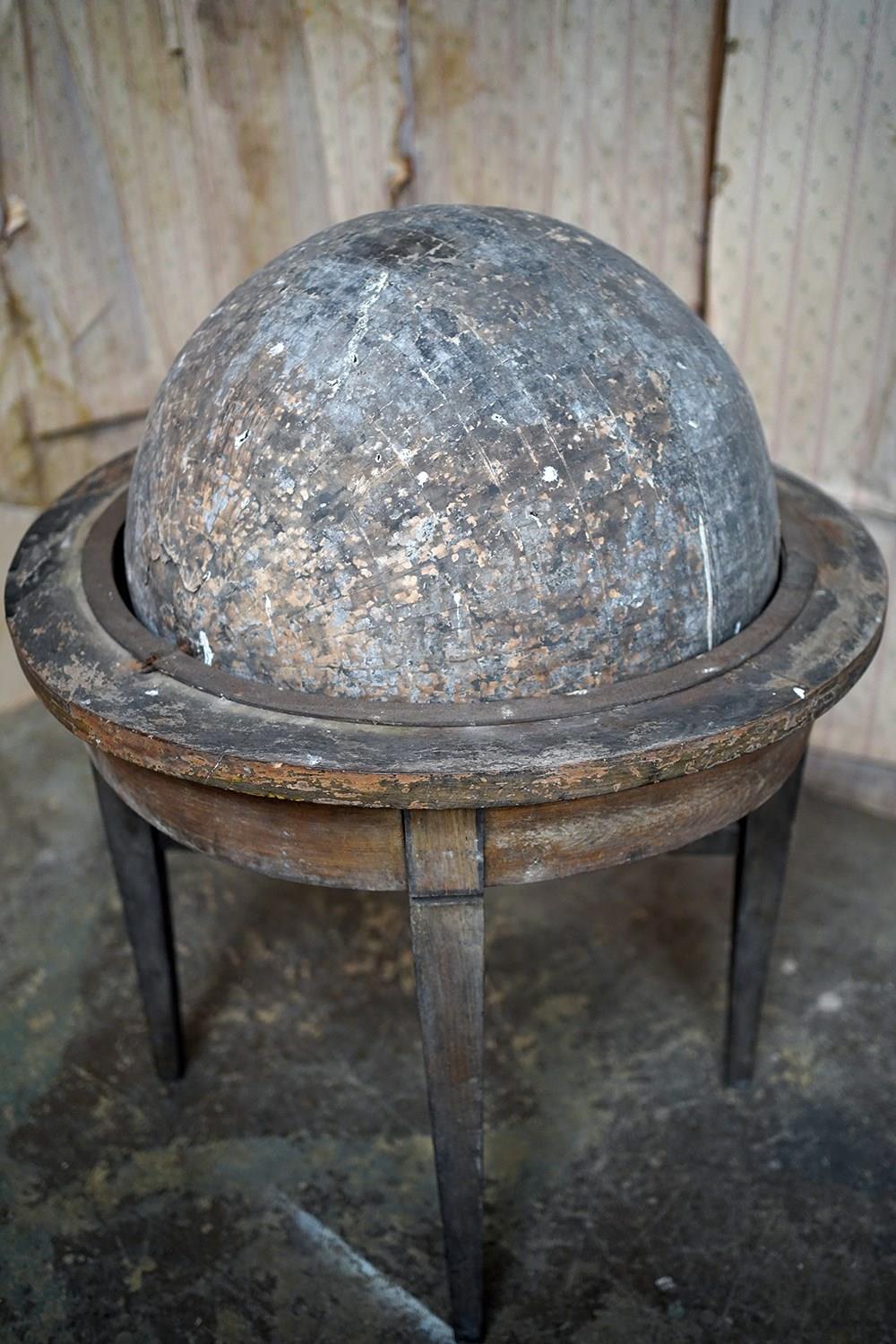
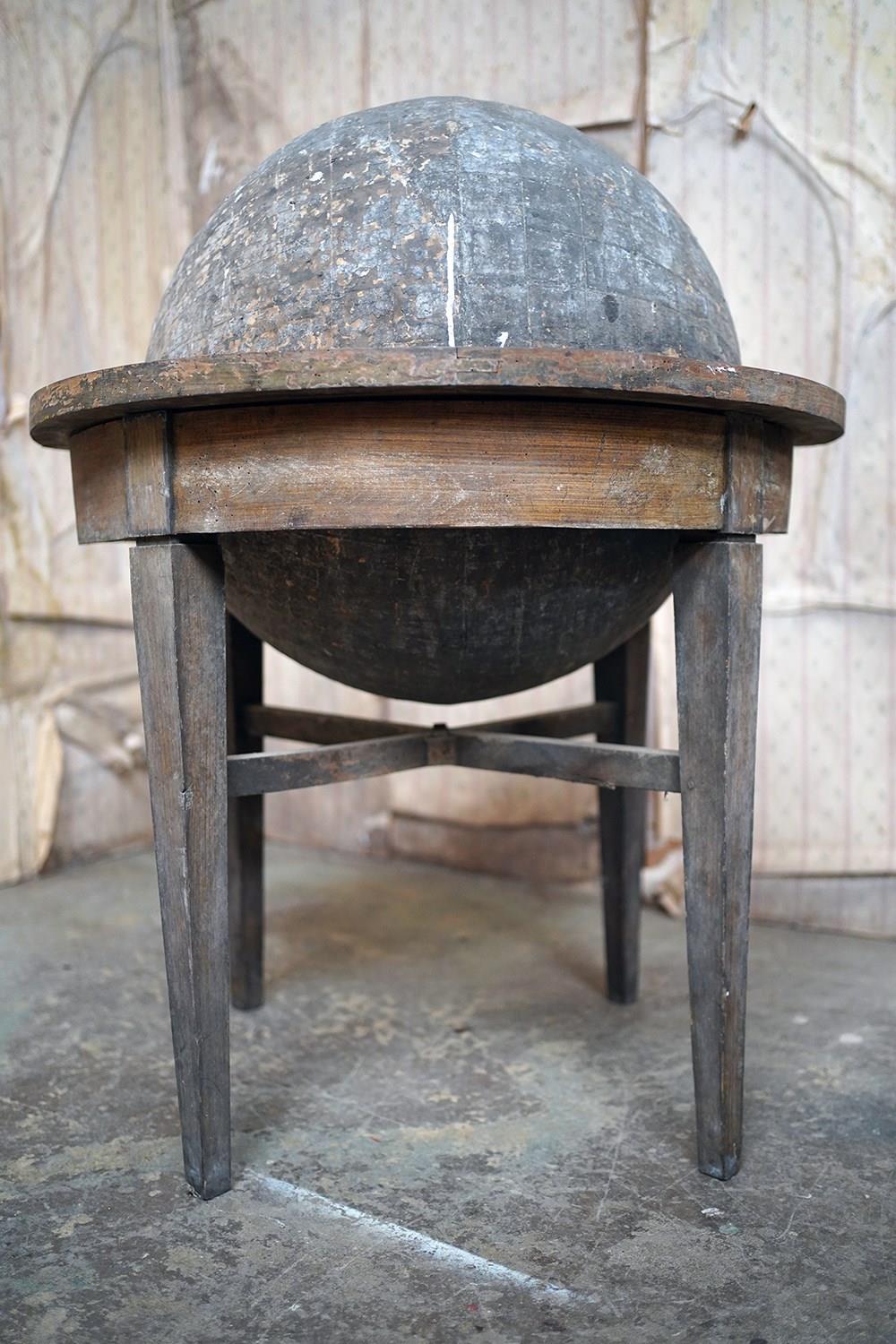
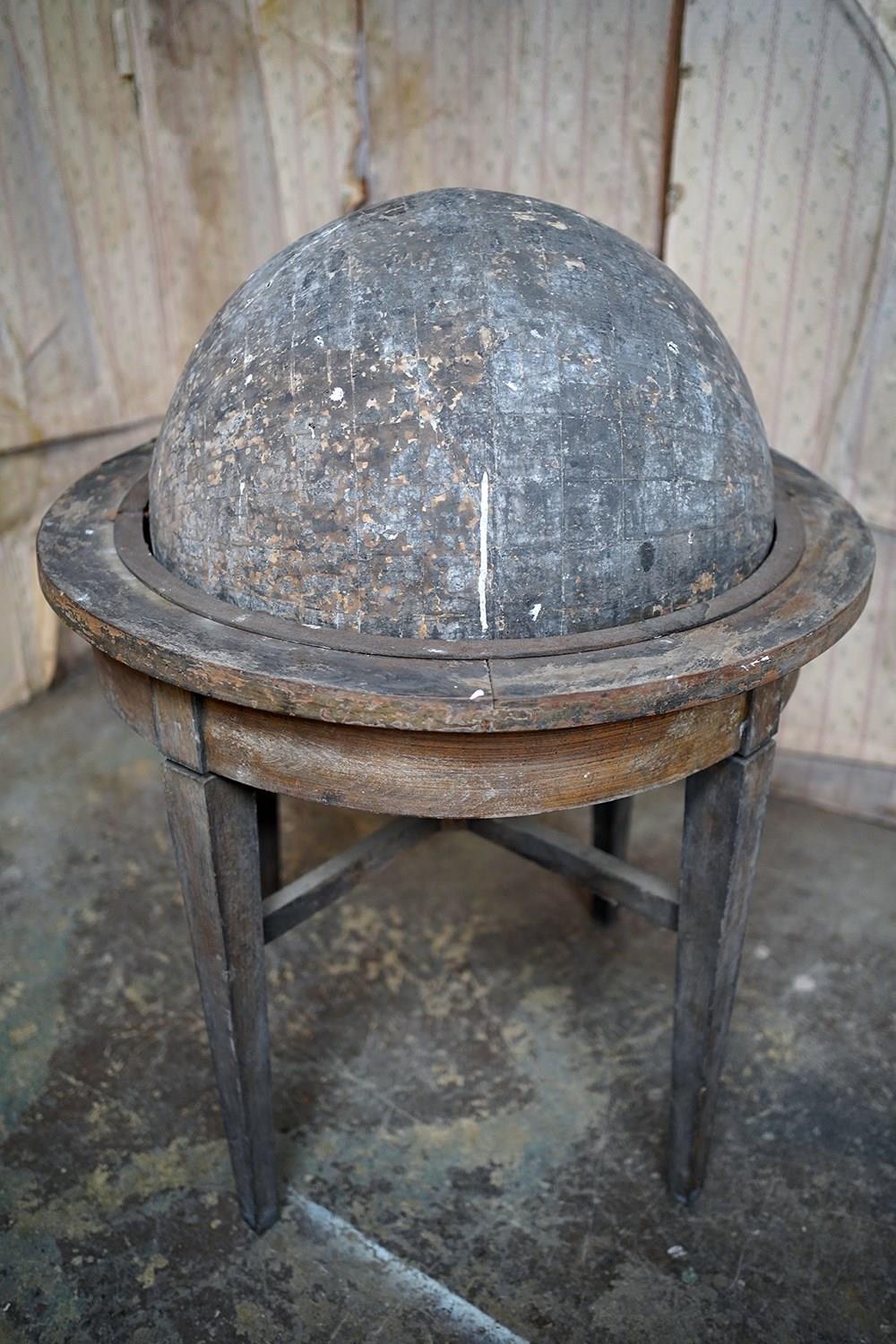
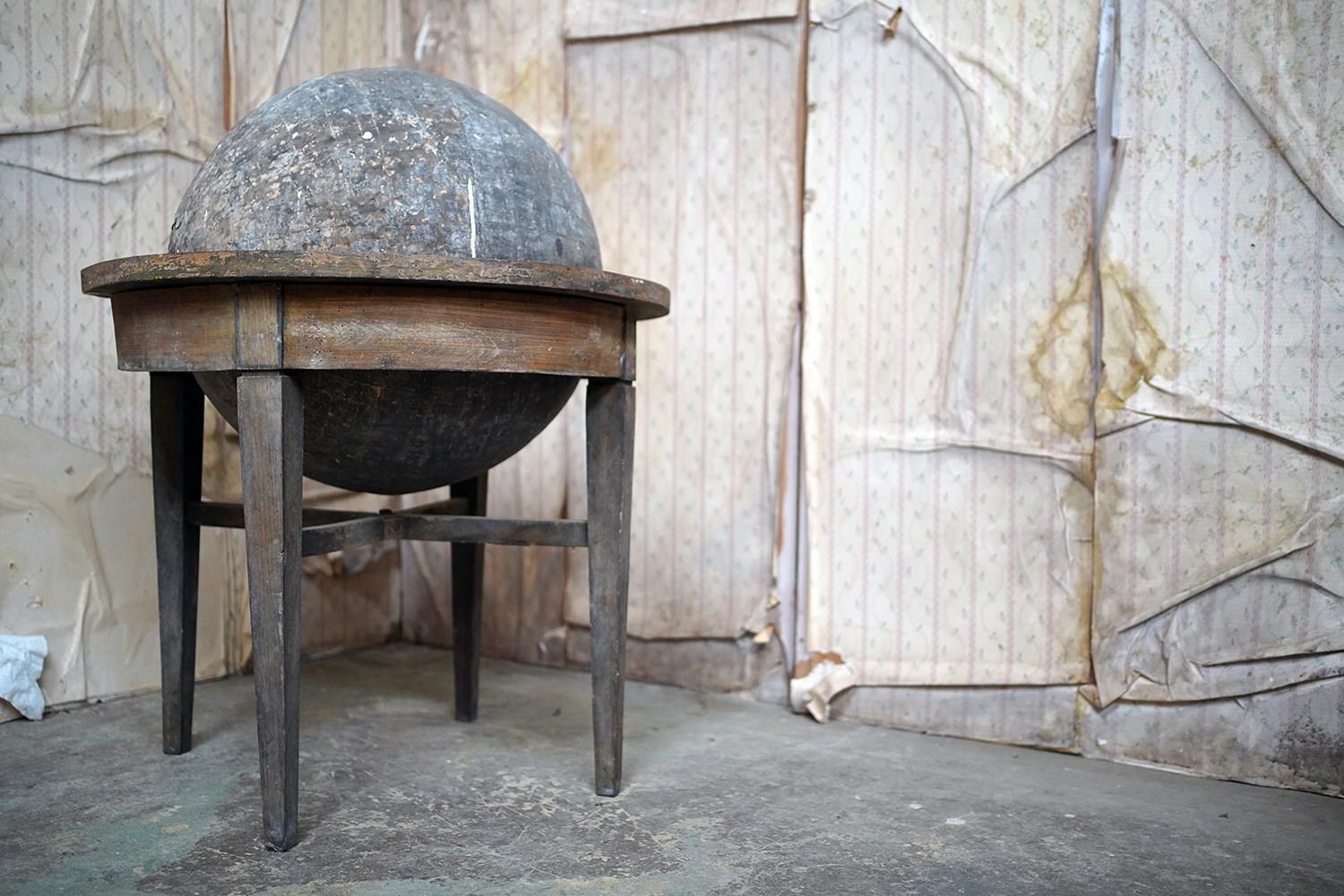
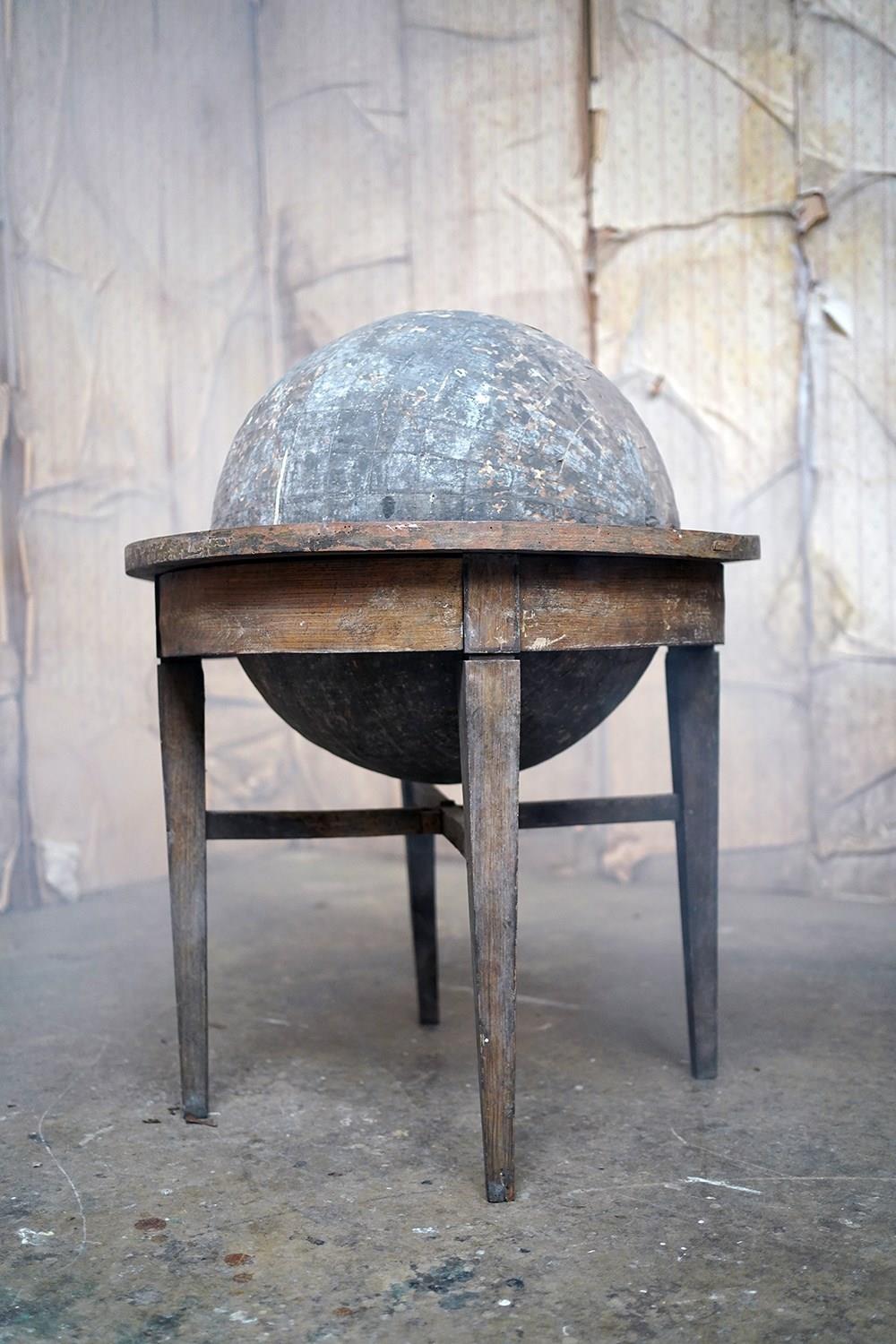
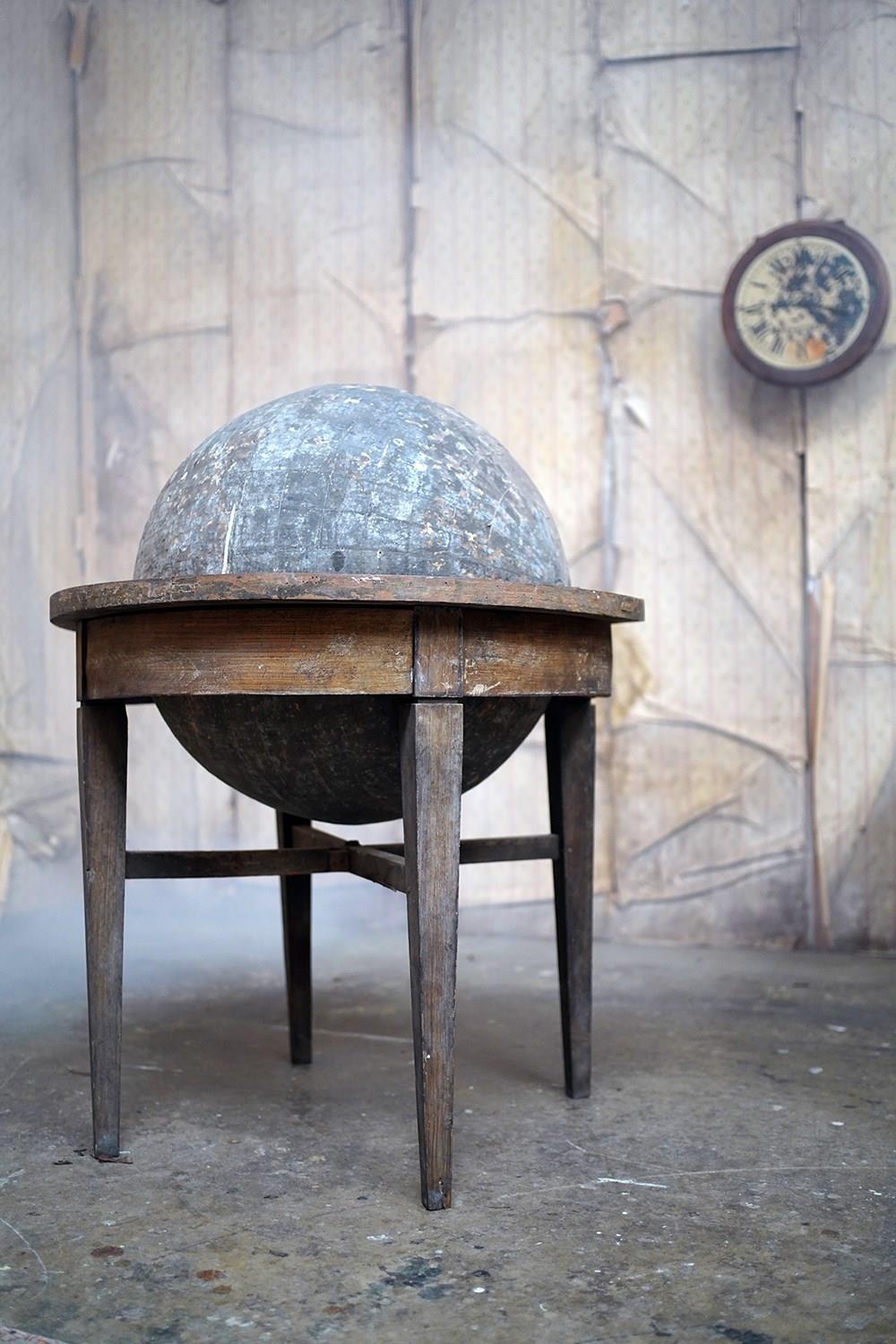
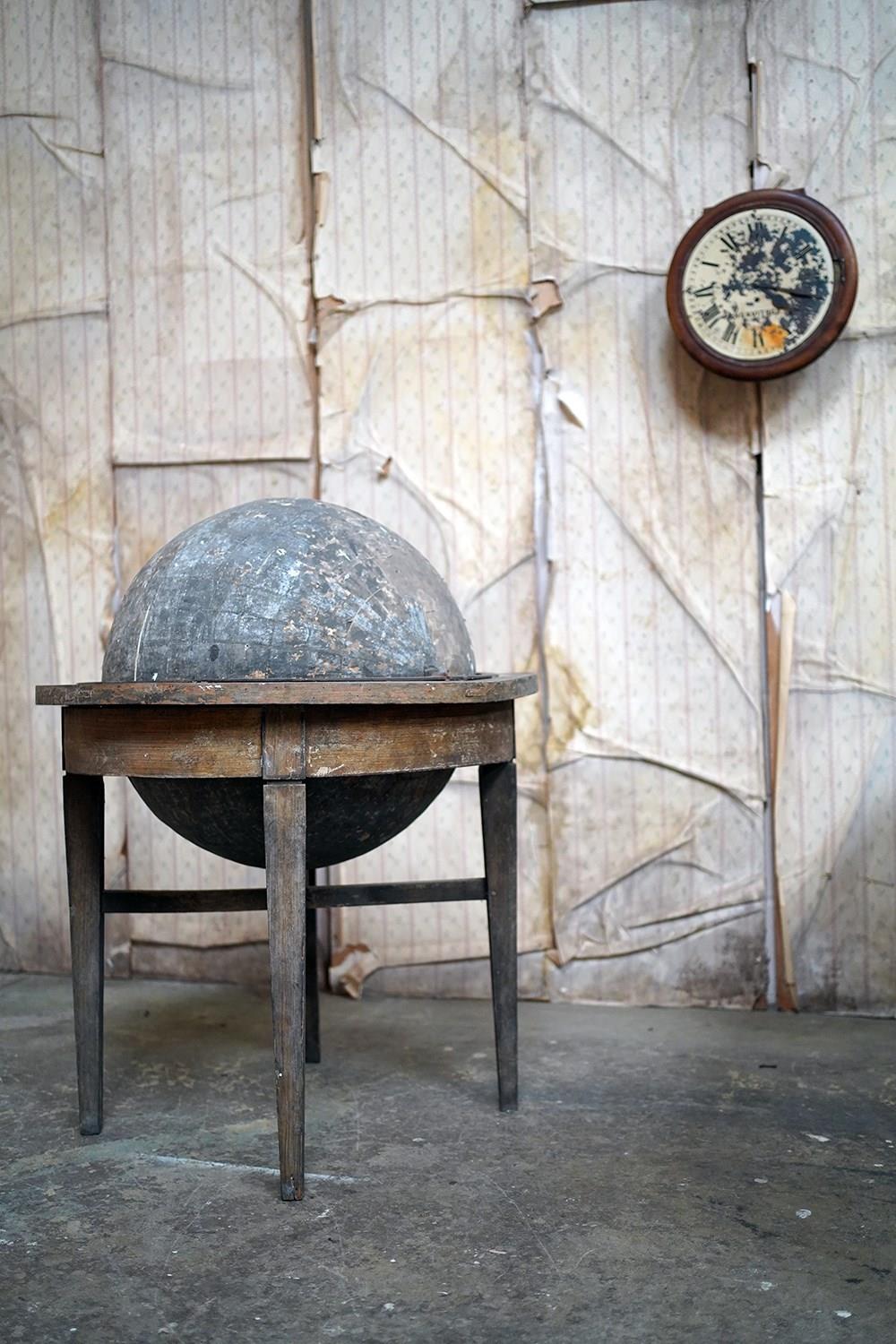
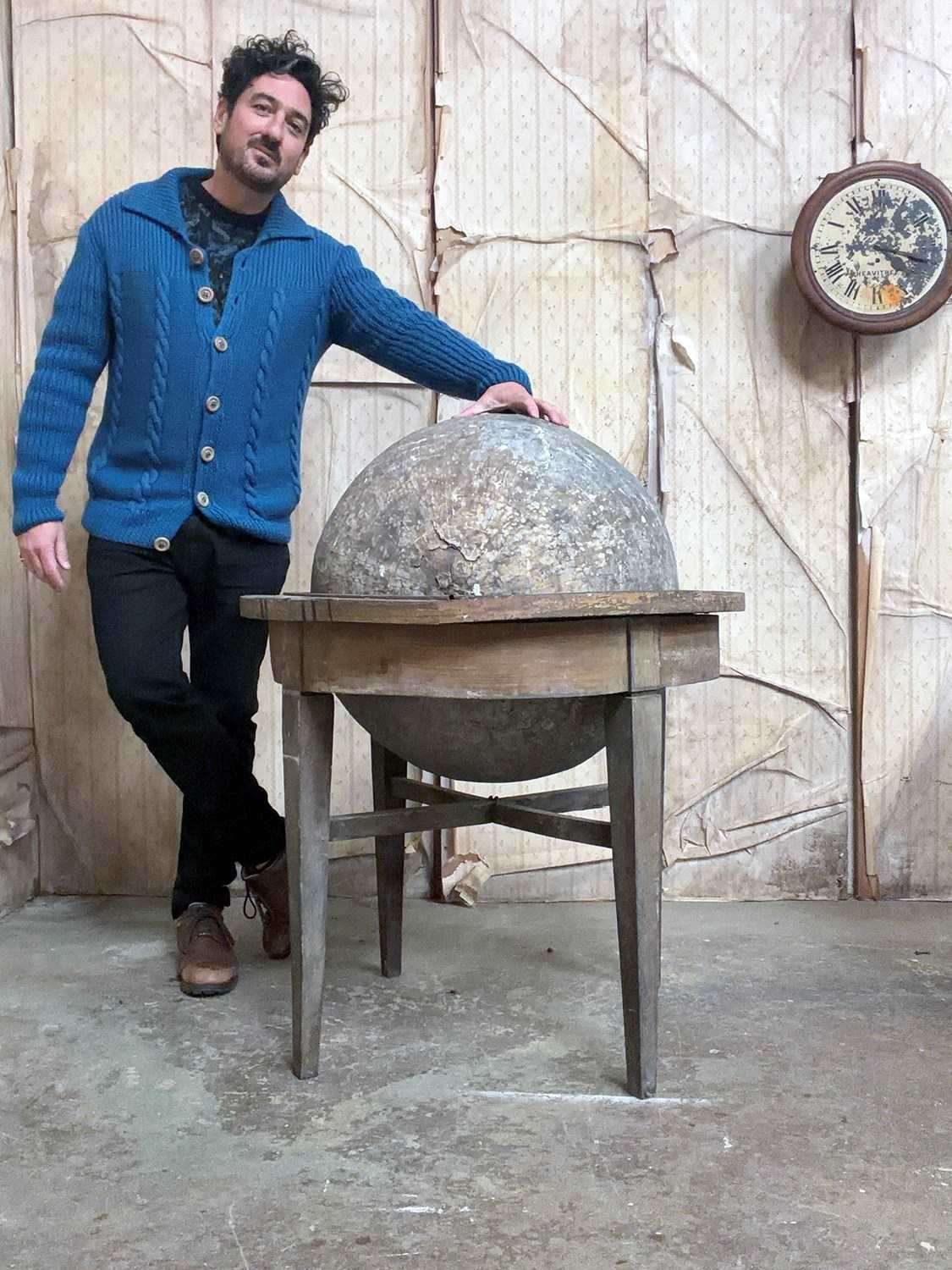
Large & Extraordinary Late 18Thc Dutch Terrestrial Globe On Stand C.1780
Stock No
3199
2013
- £6,800.00
- €8,148 Euro
- $9,158 US Dollar
Questions about this item?
Like this item?
Item Description
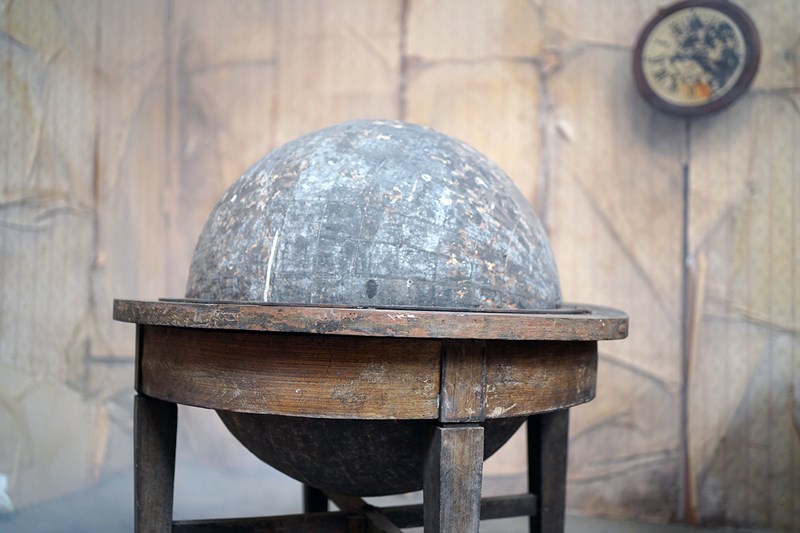
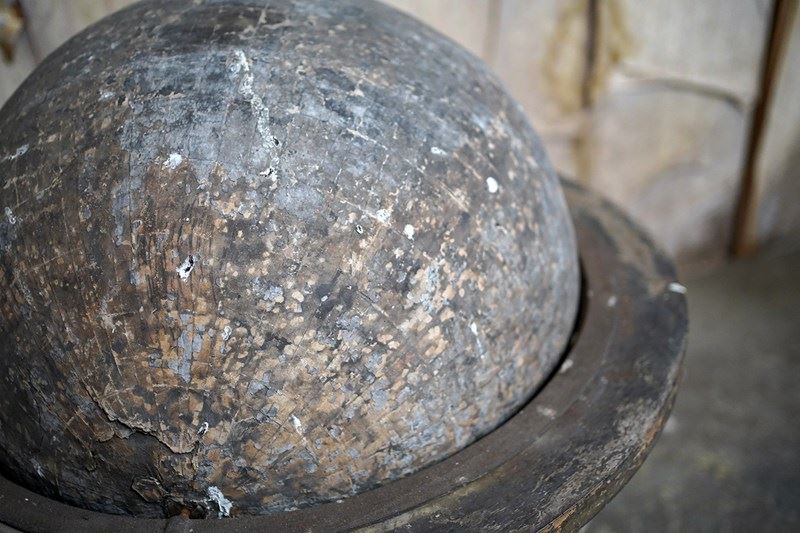
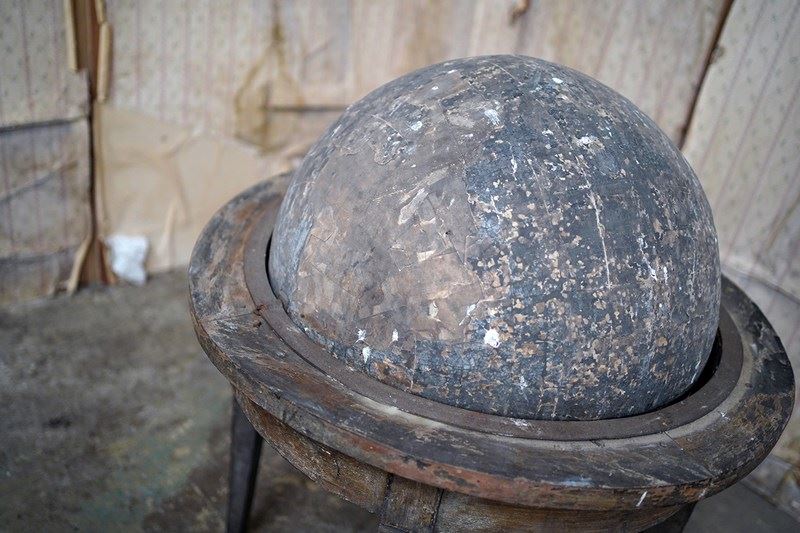
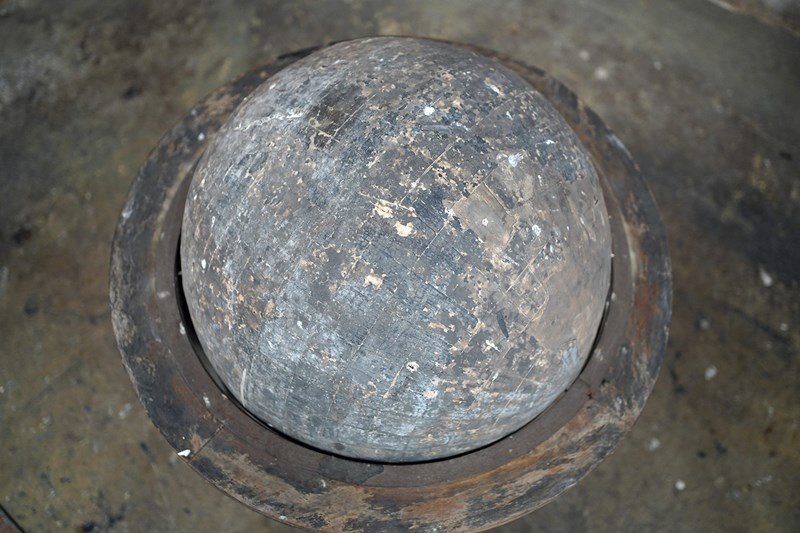
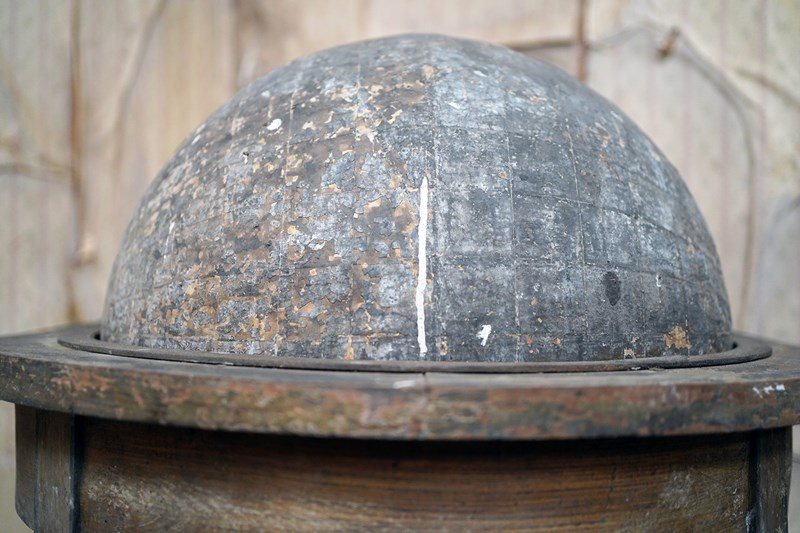
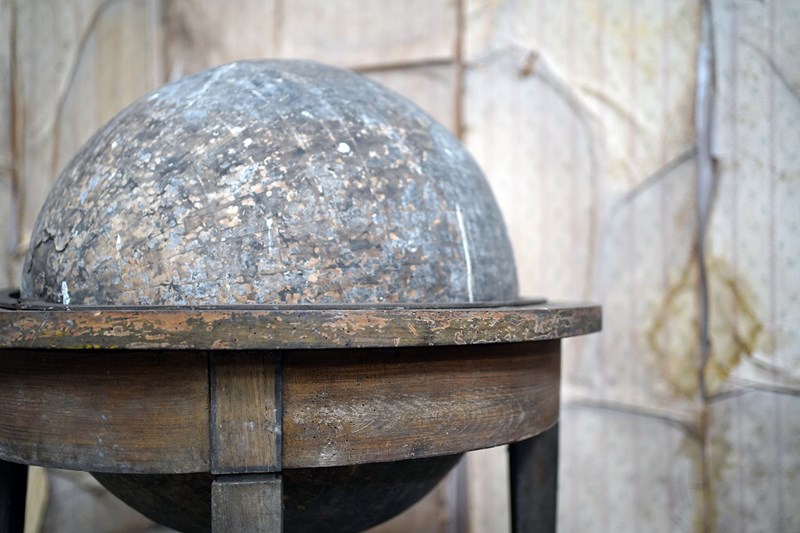
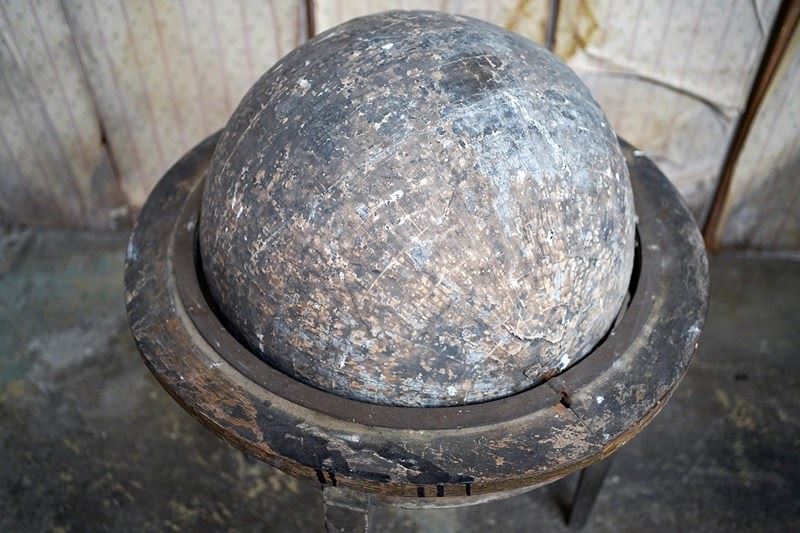
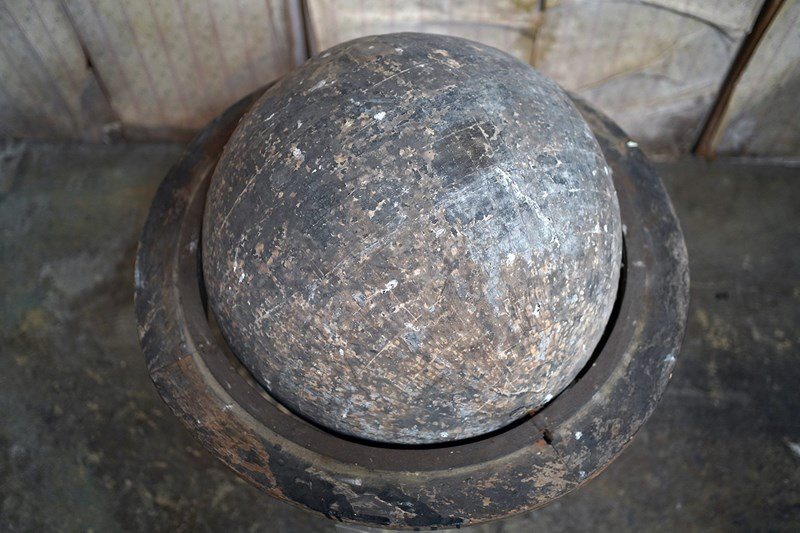
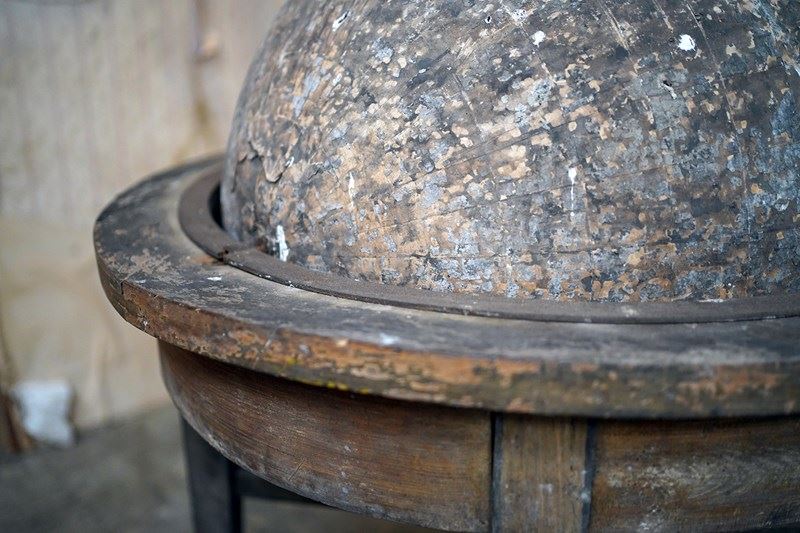
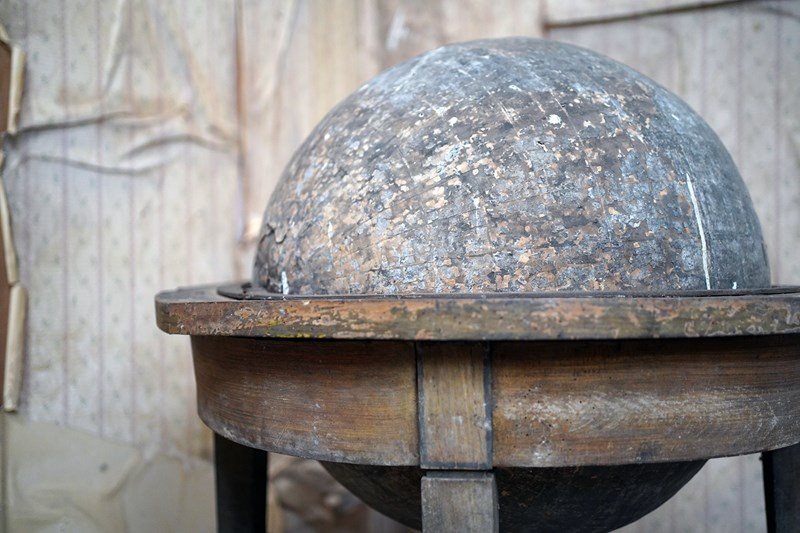
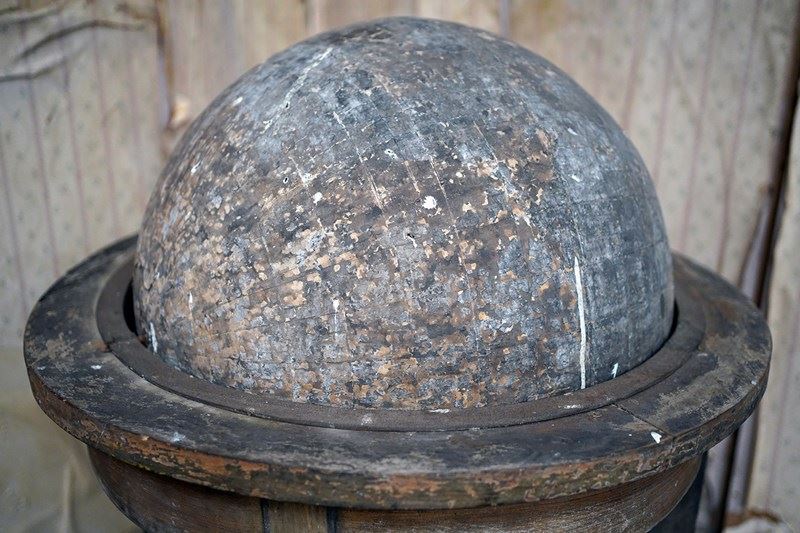
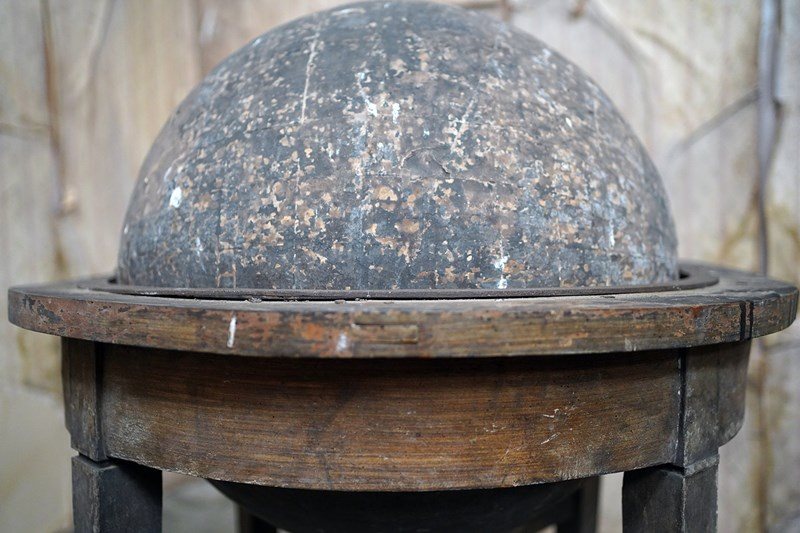
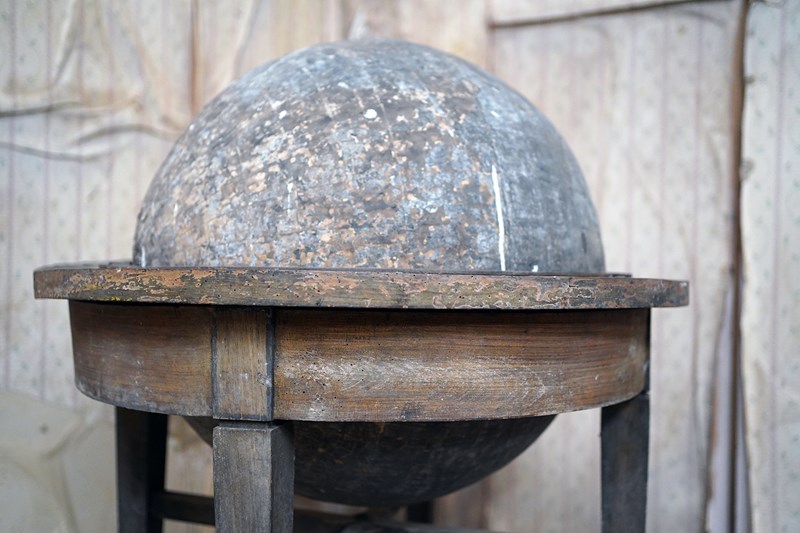
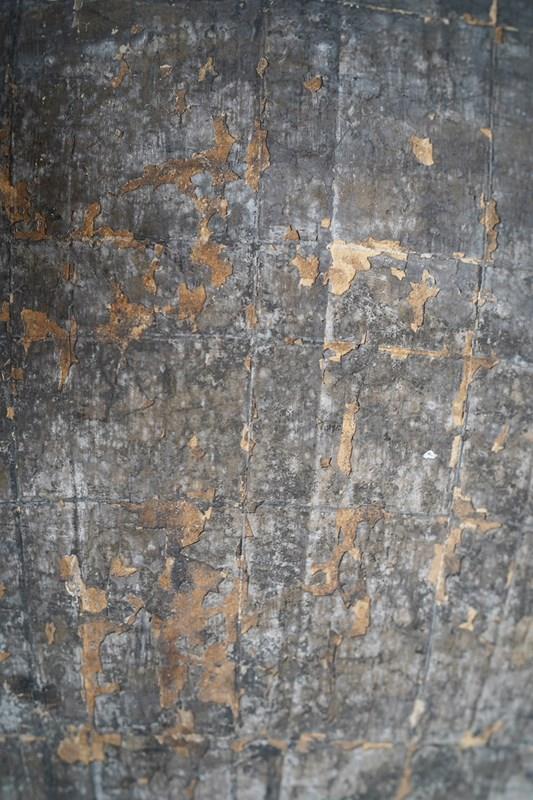
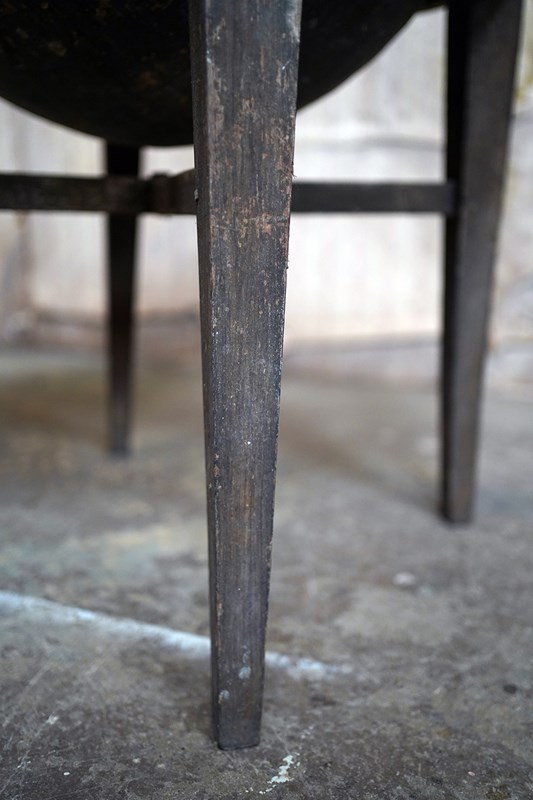
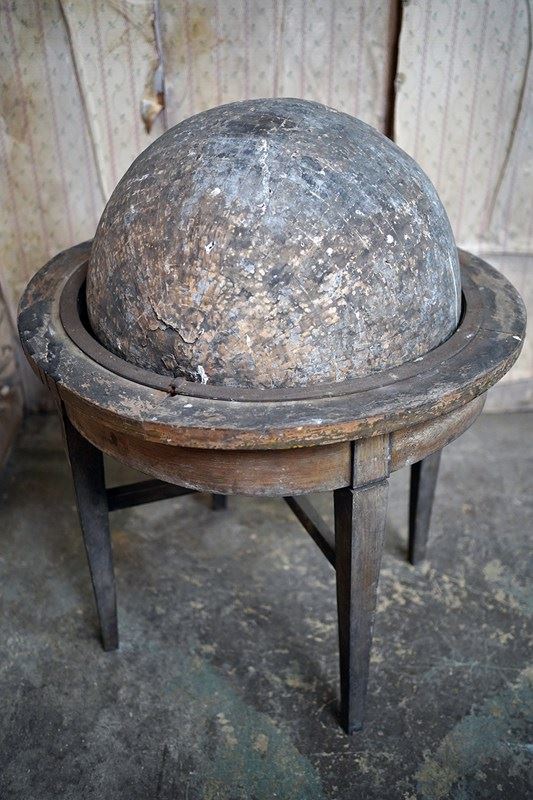
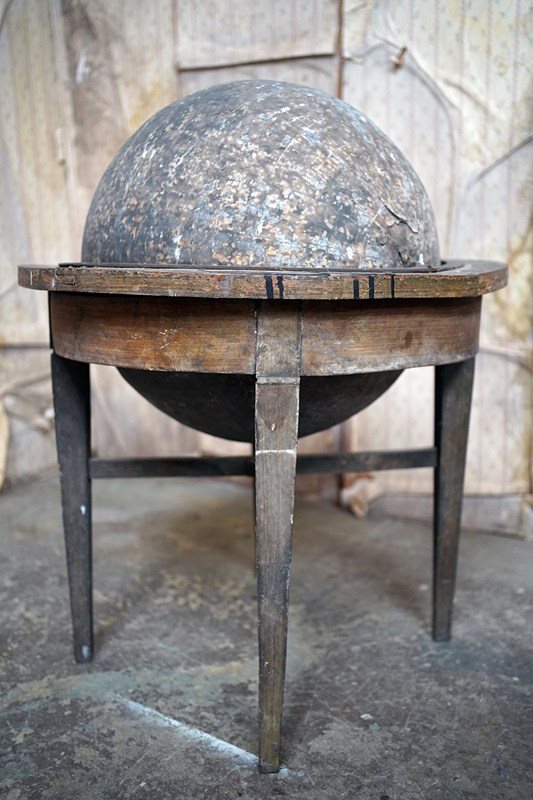
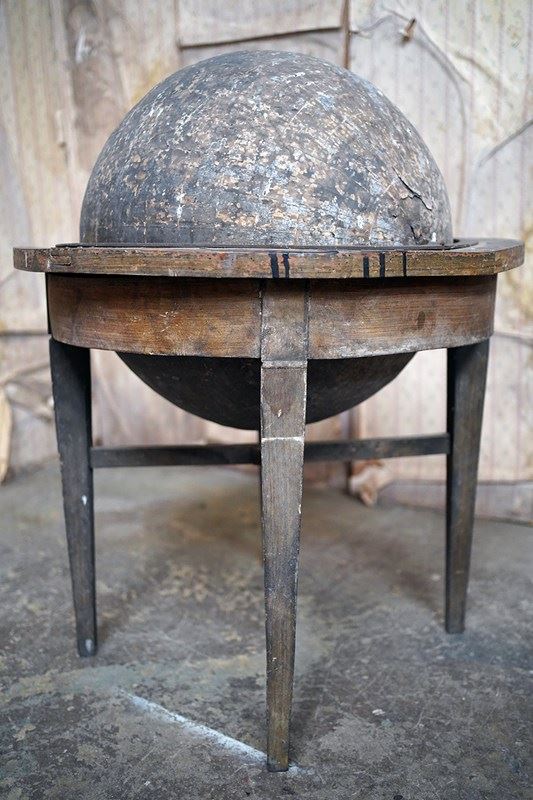
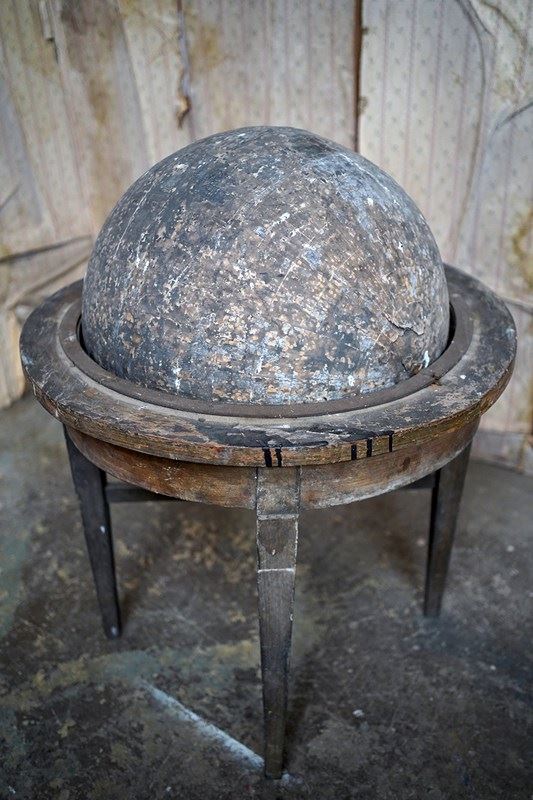
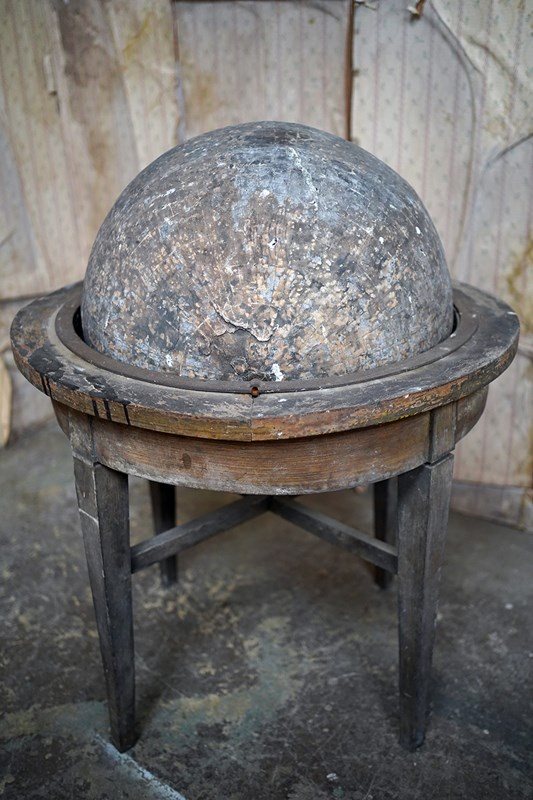
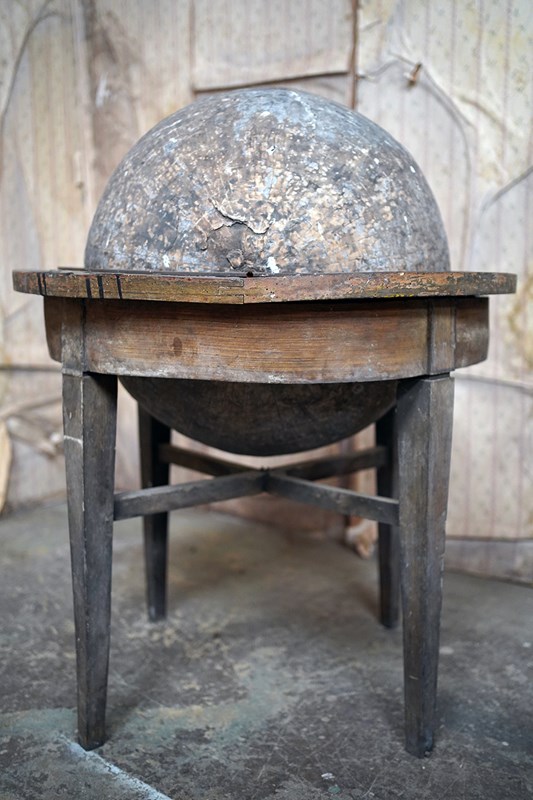
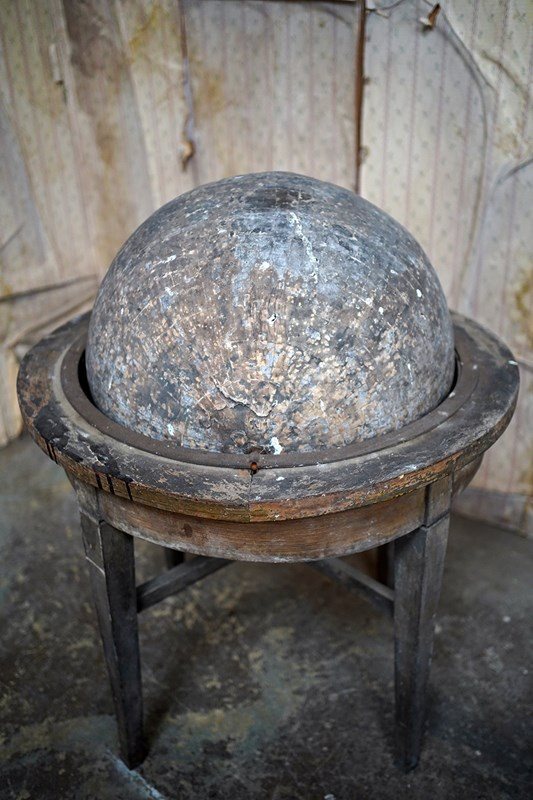
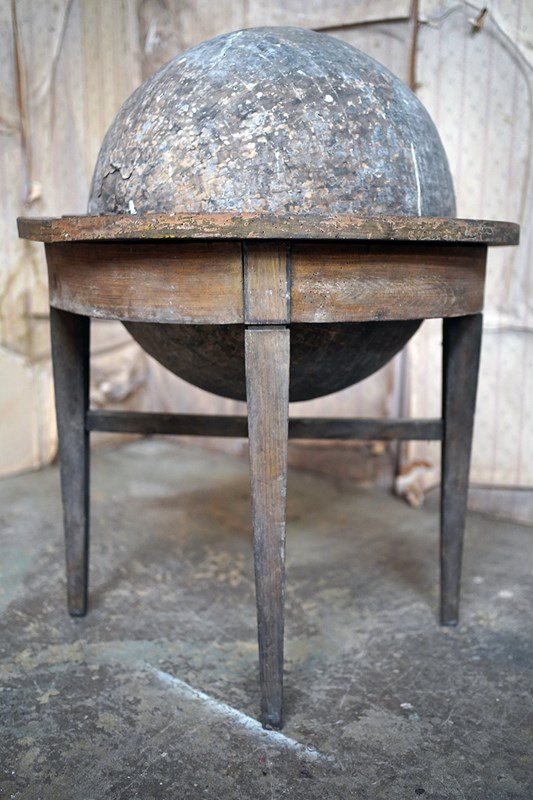
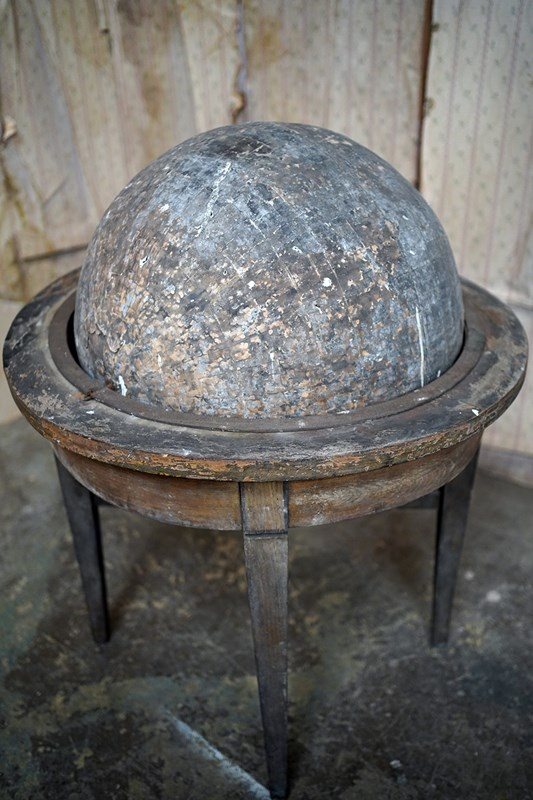
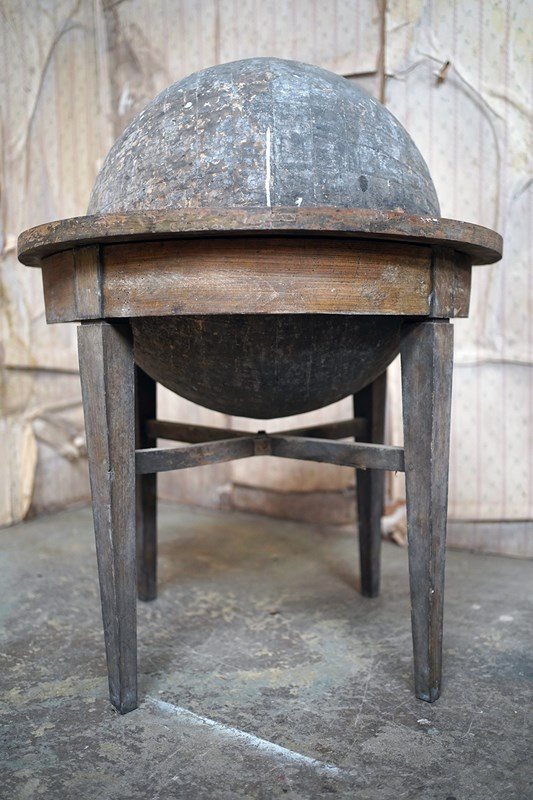
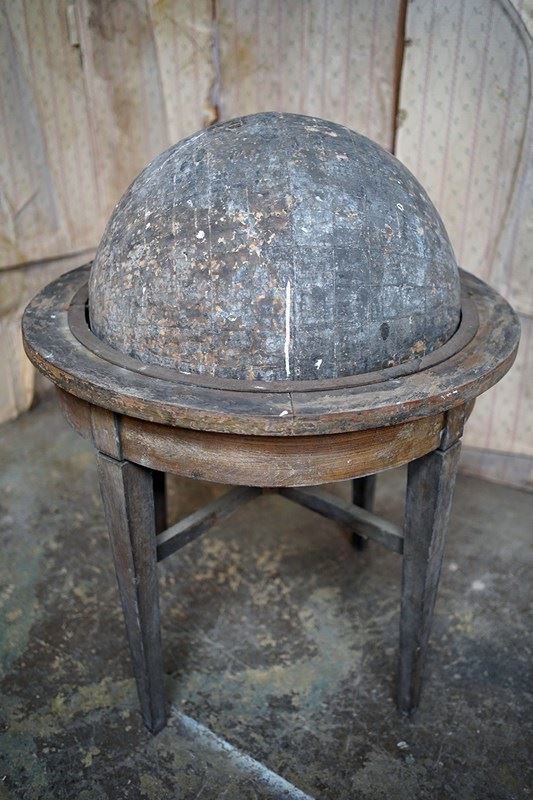
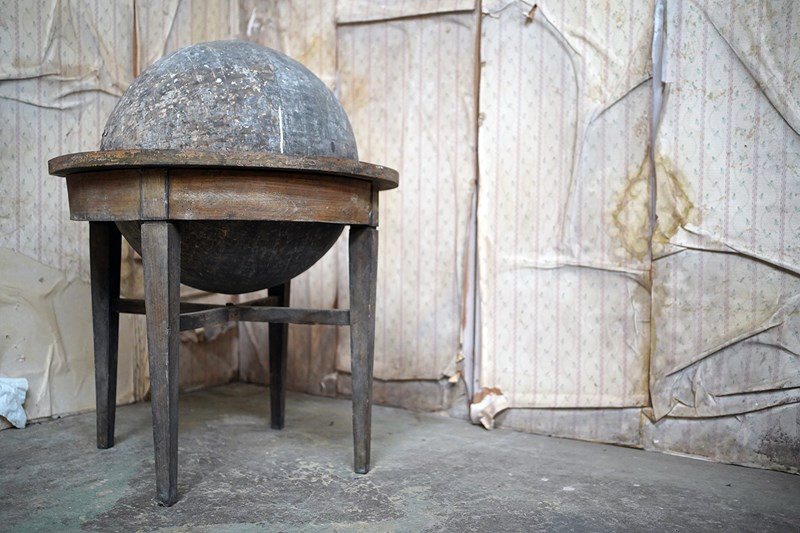
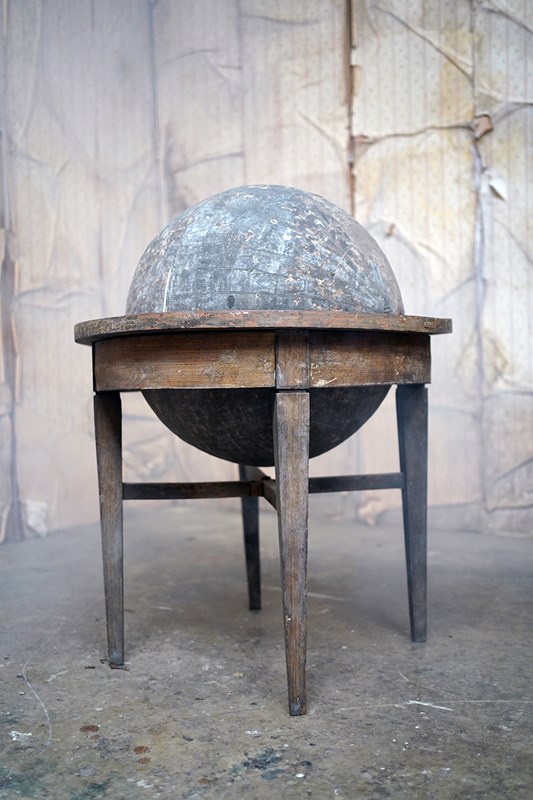
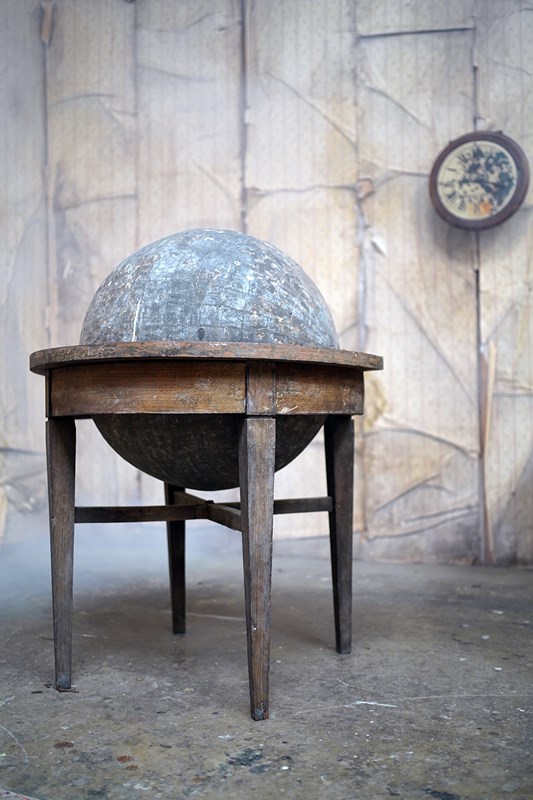
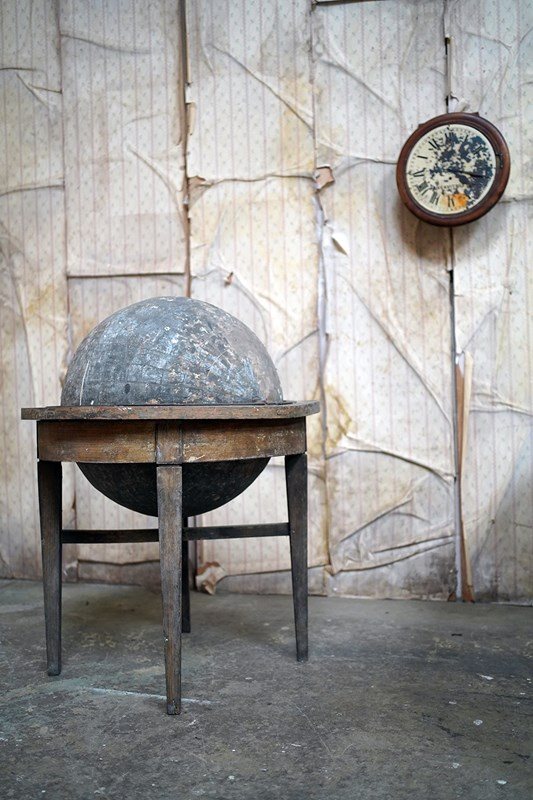
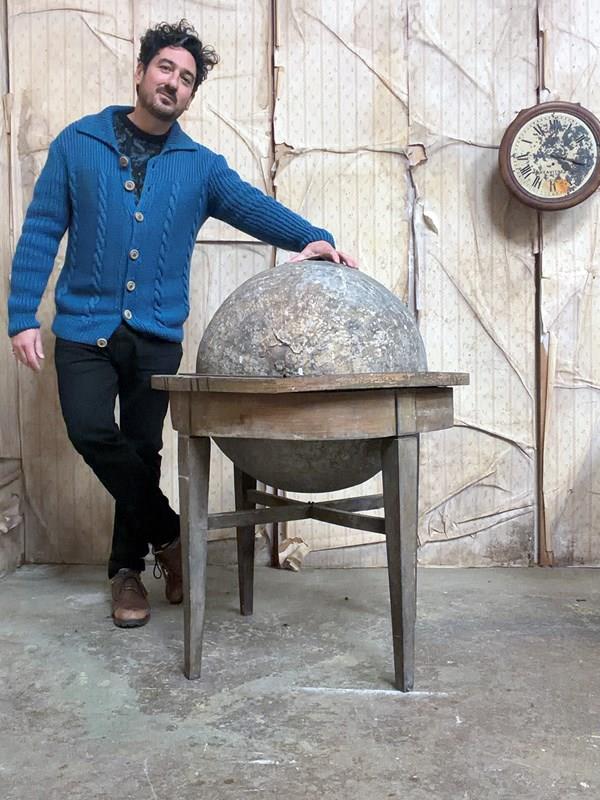
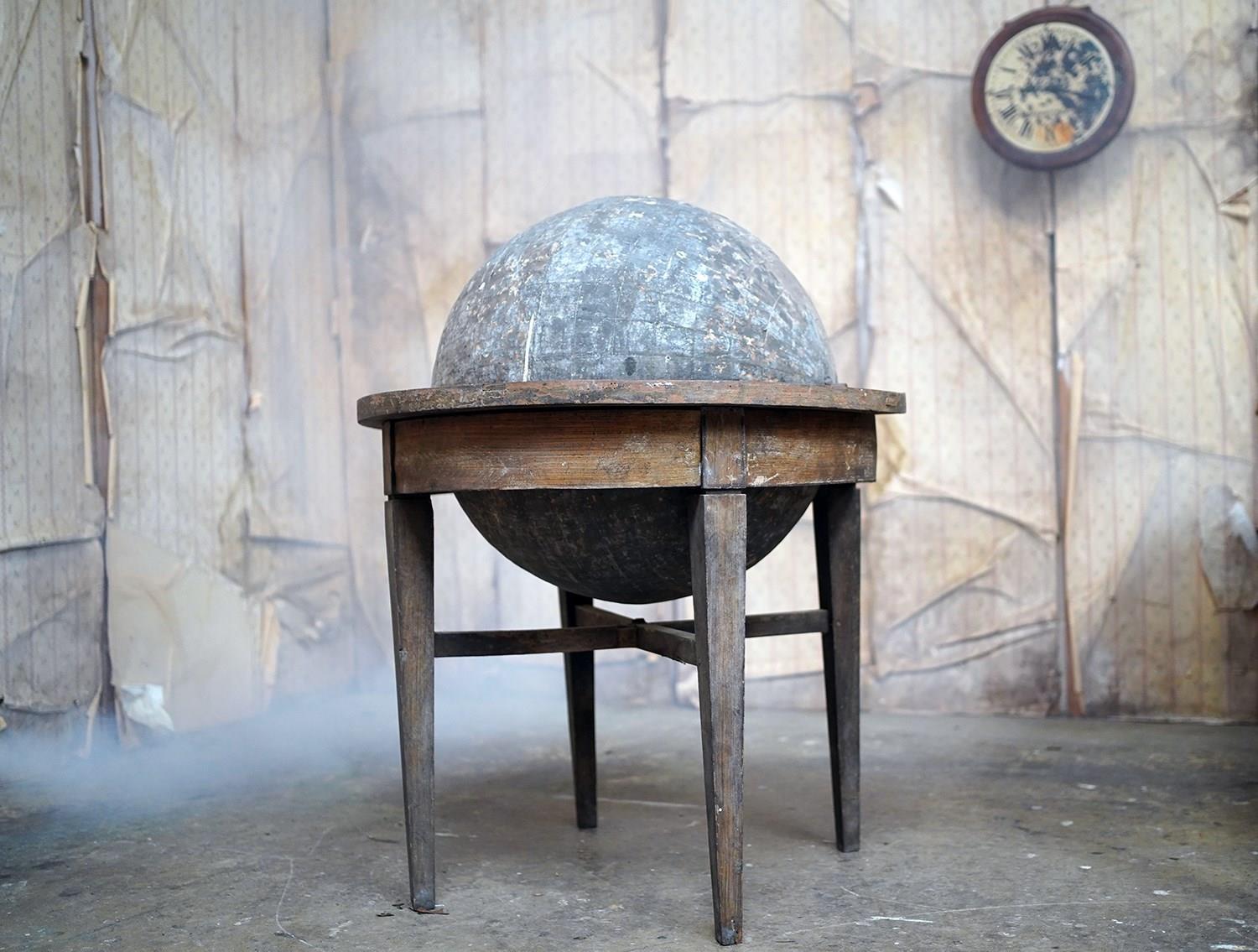
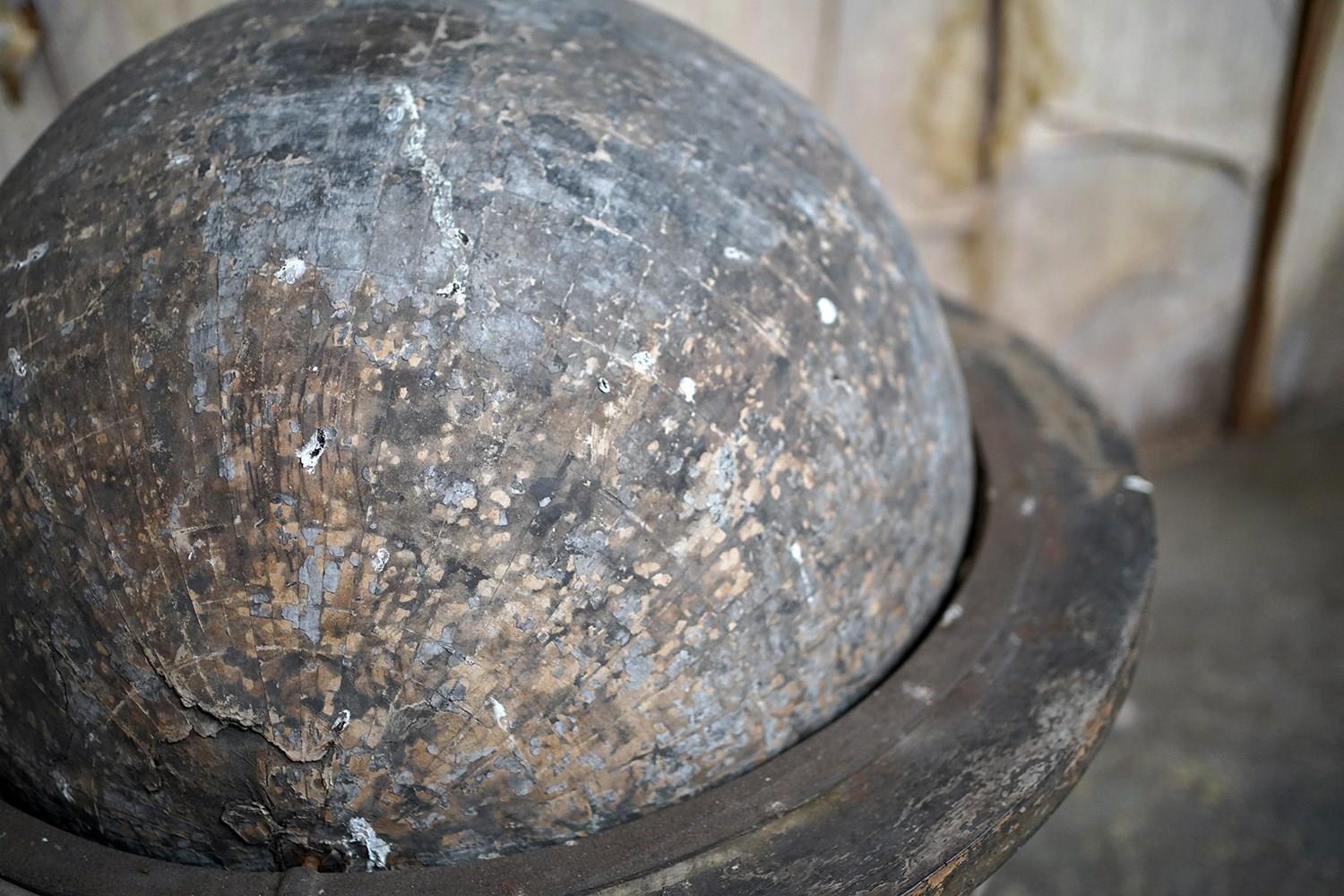
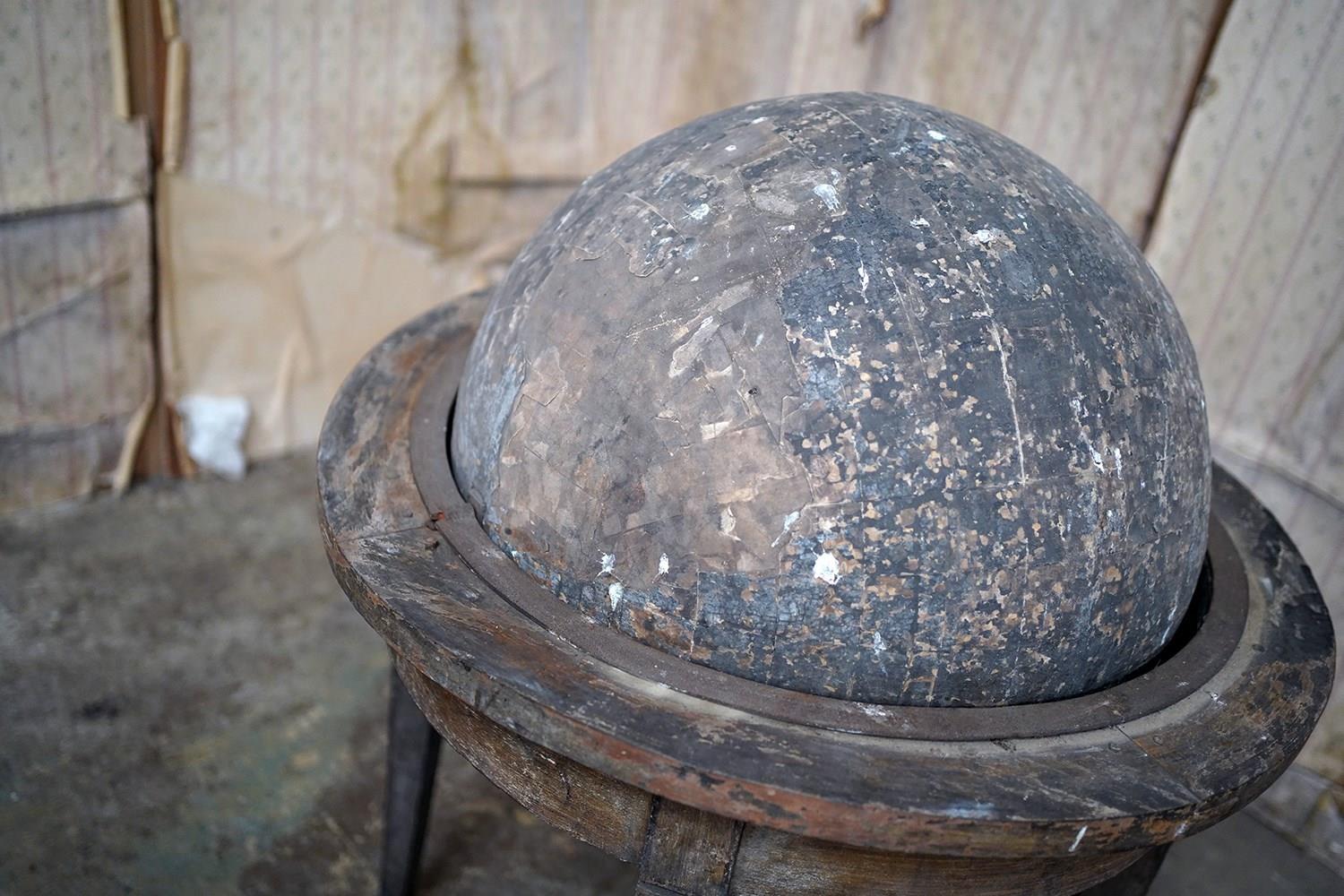
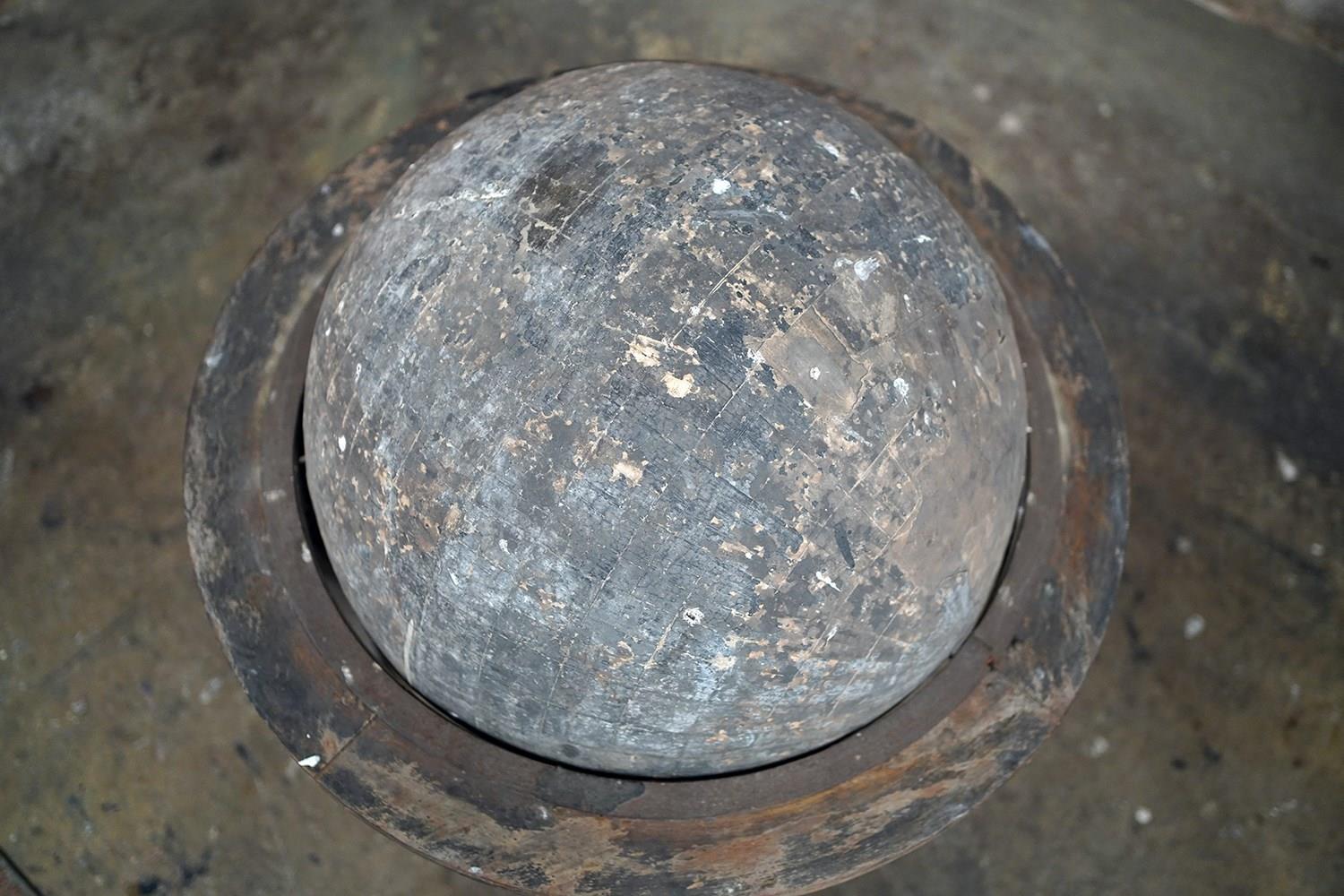
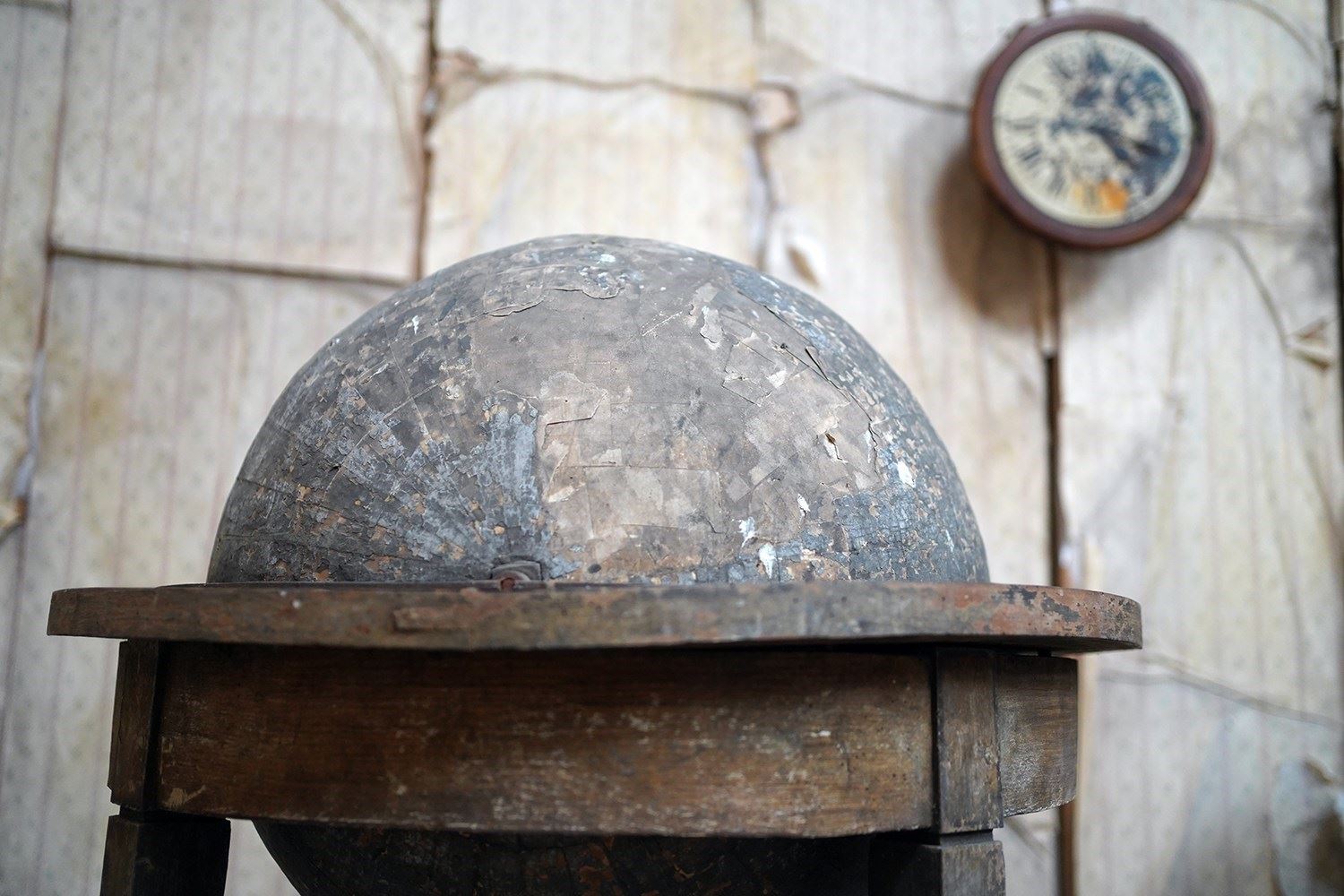
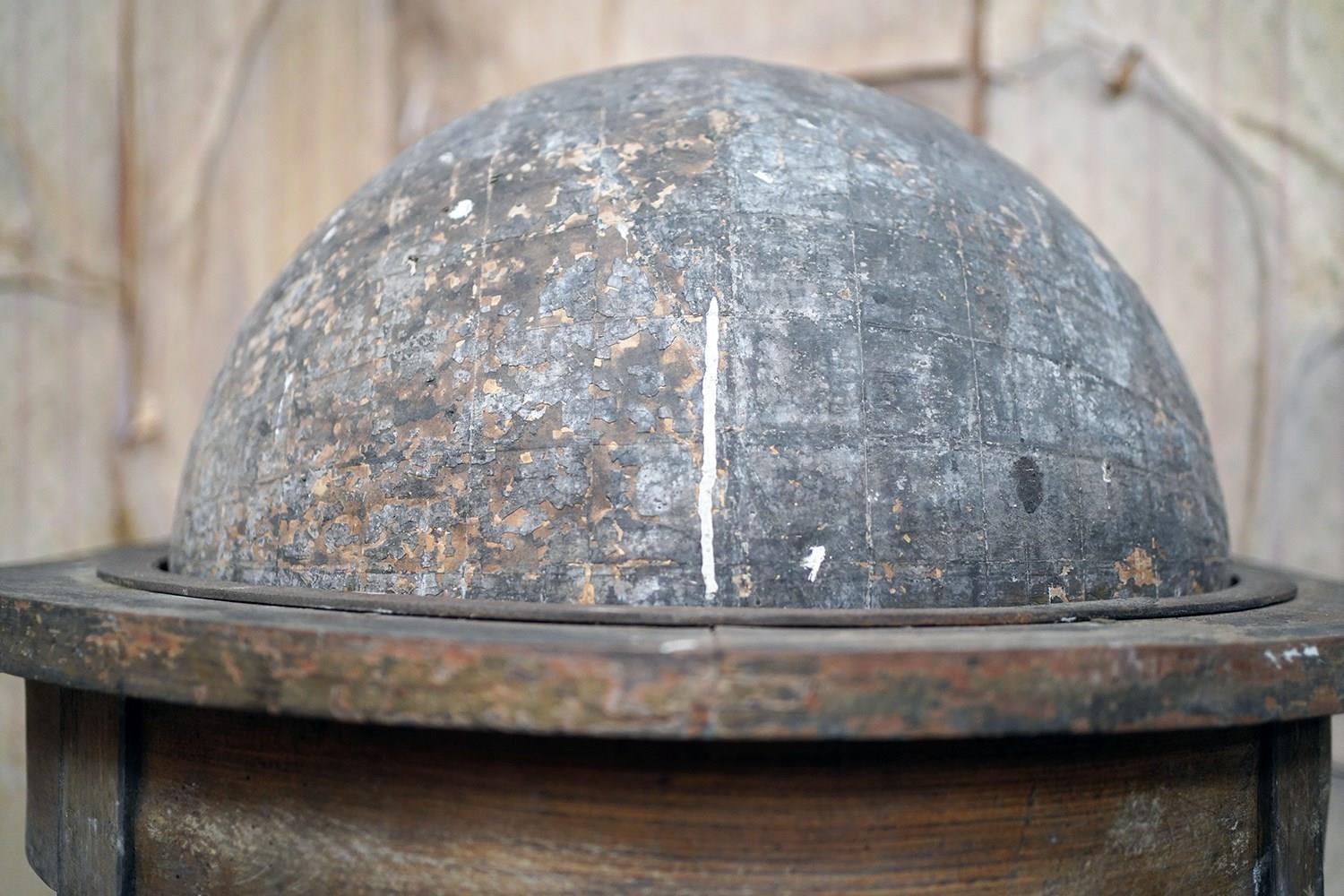
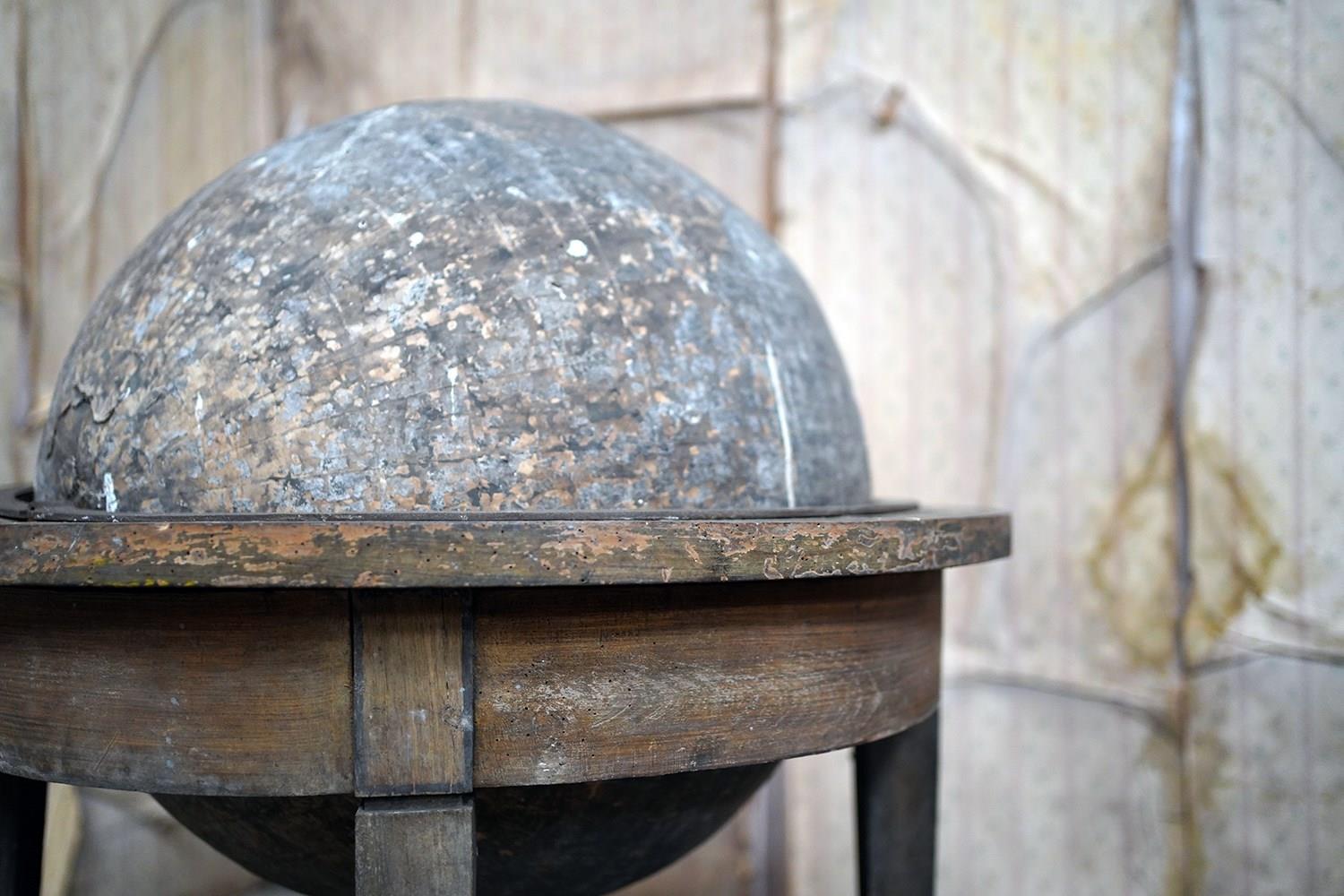
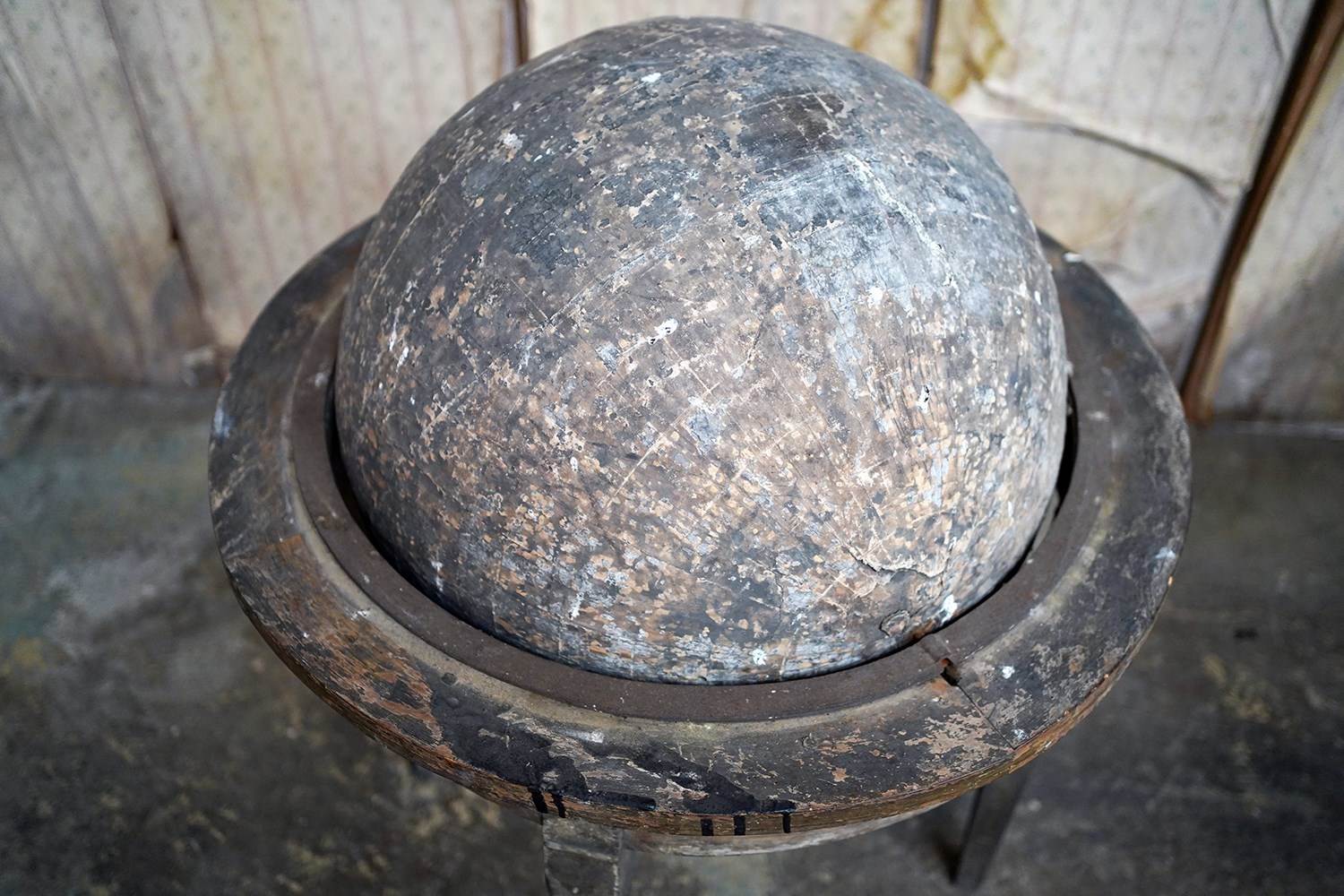
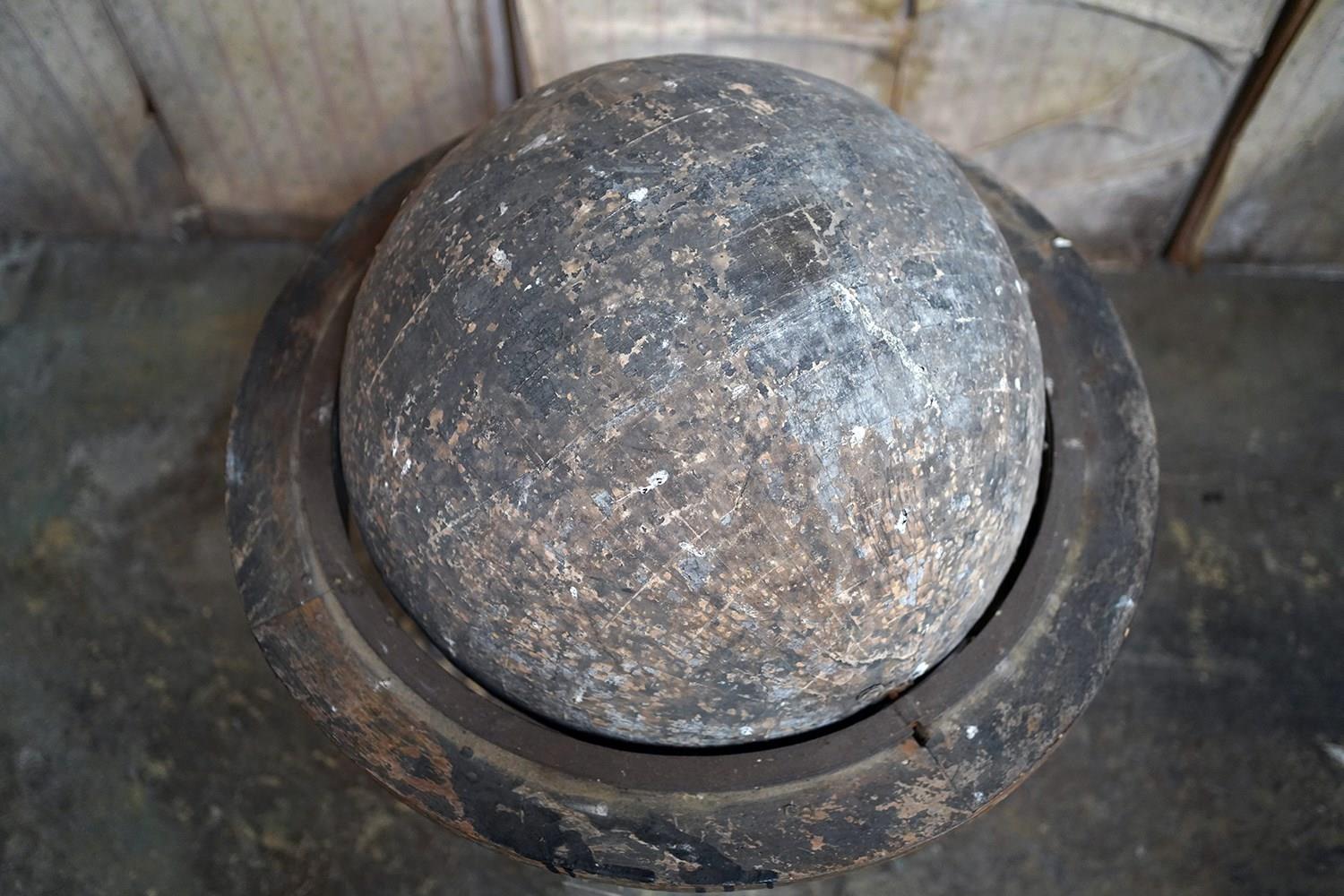
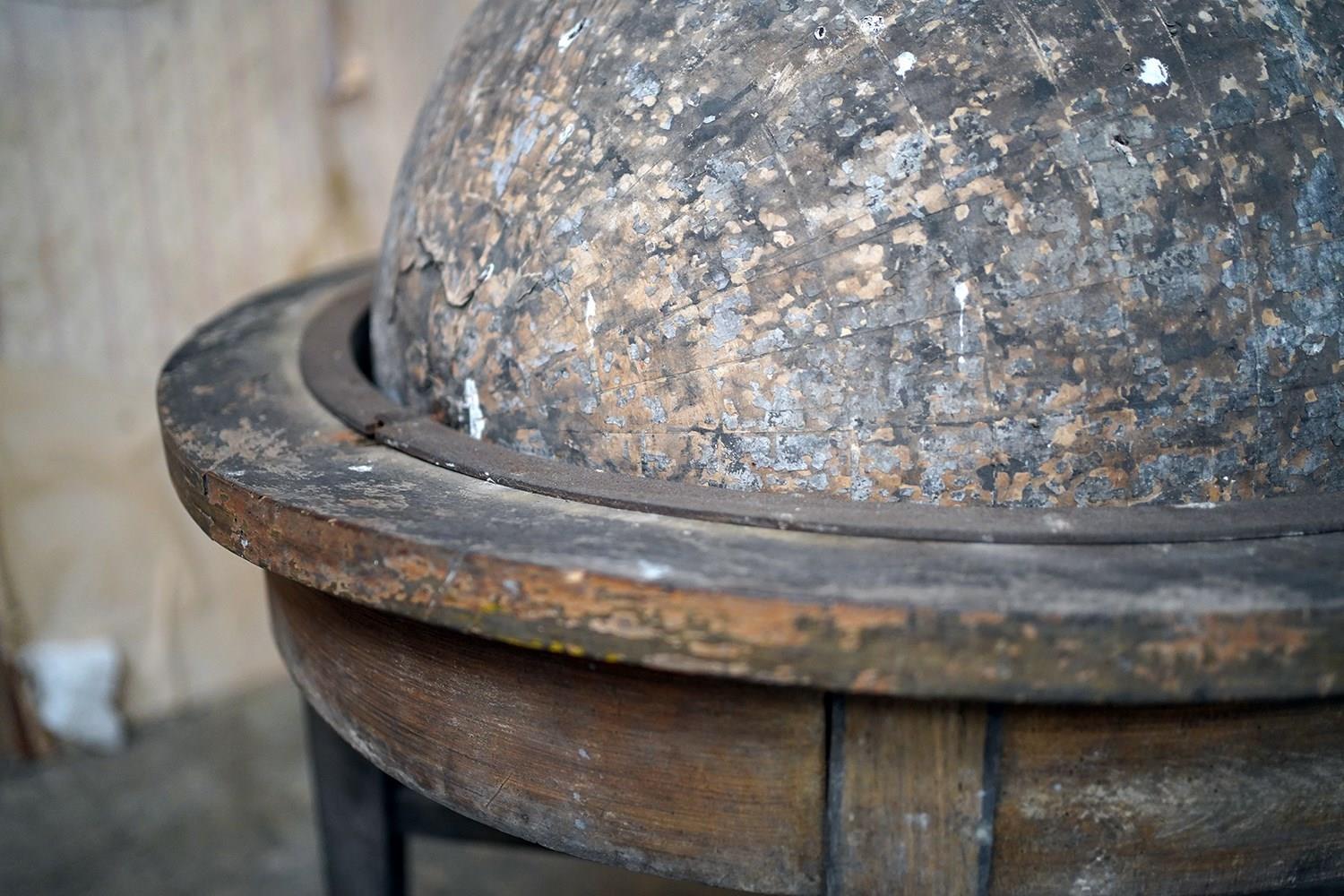
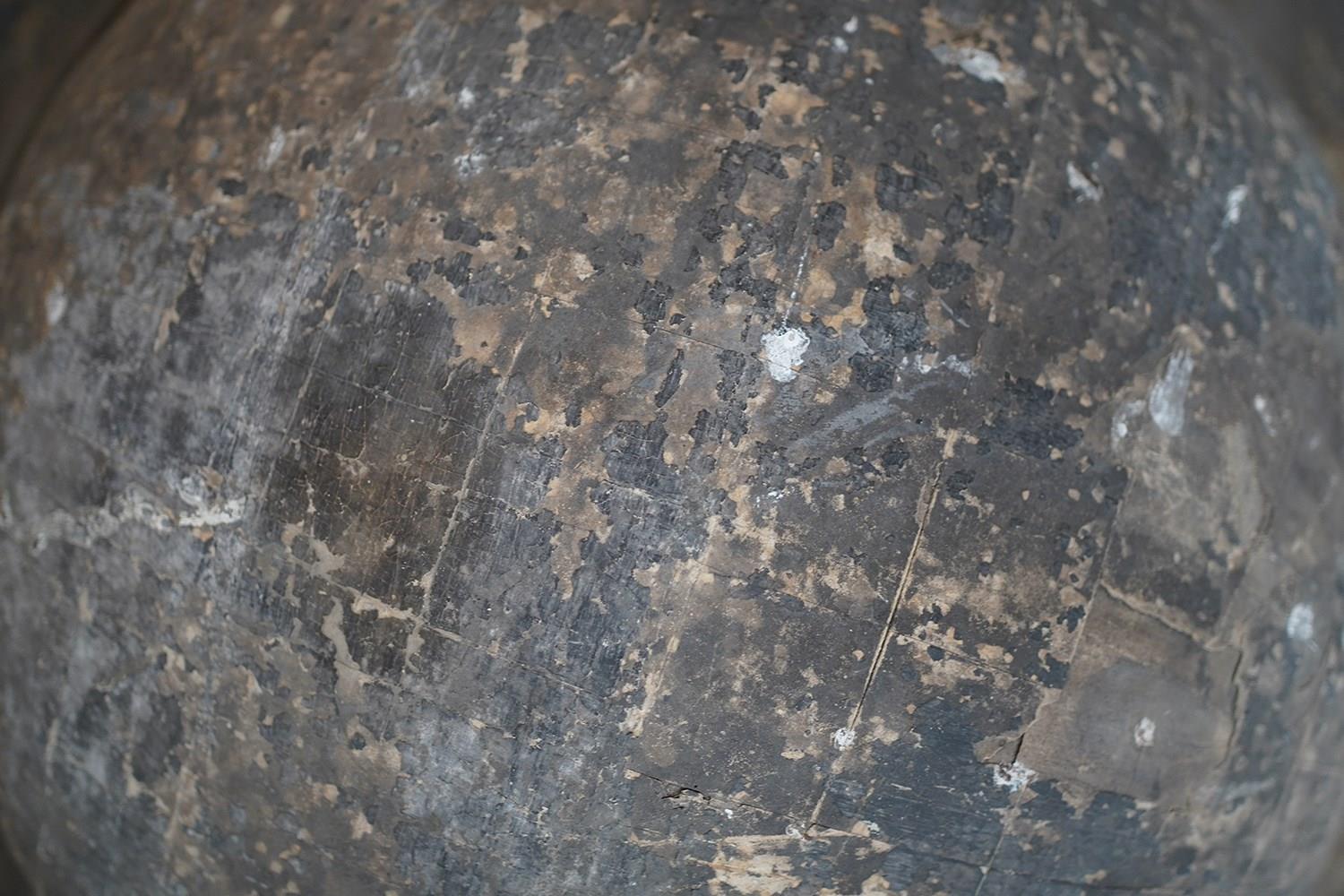
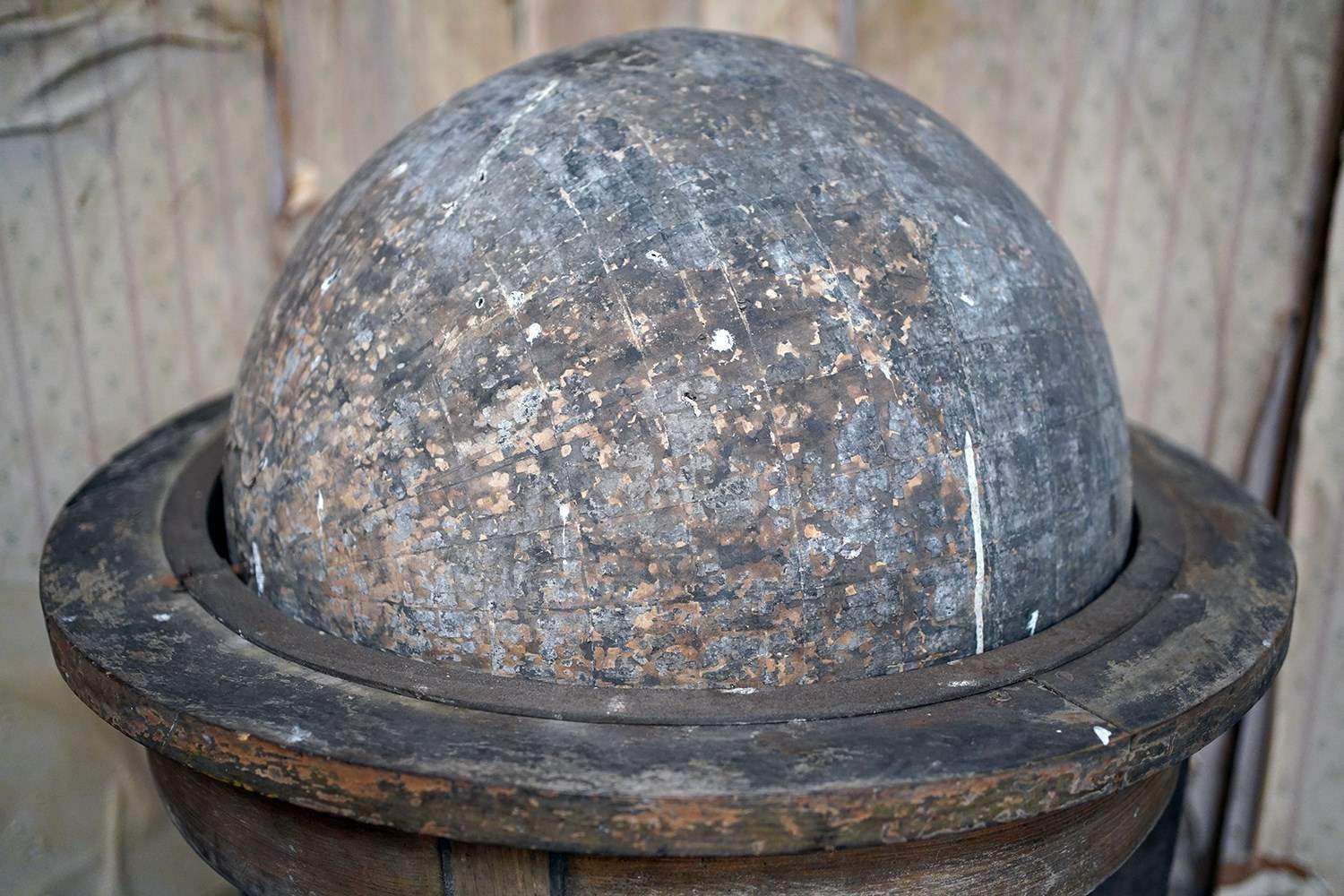
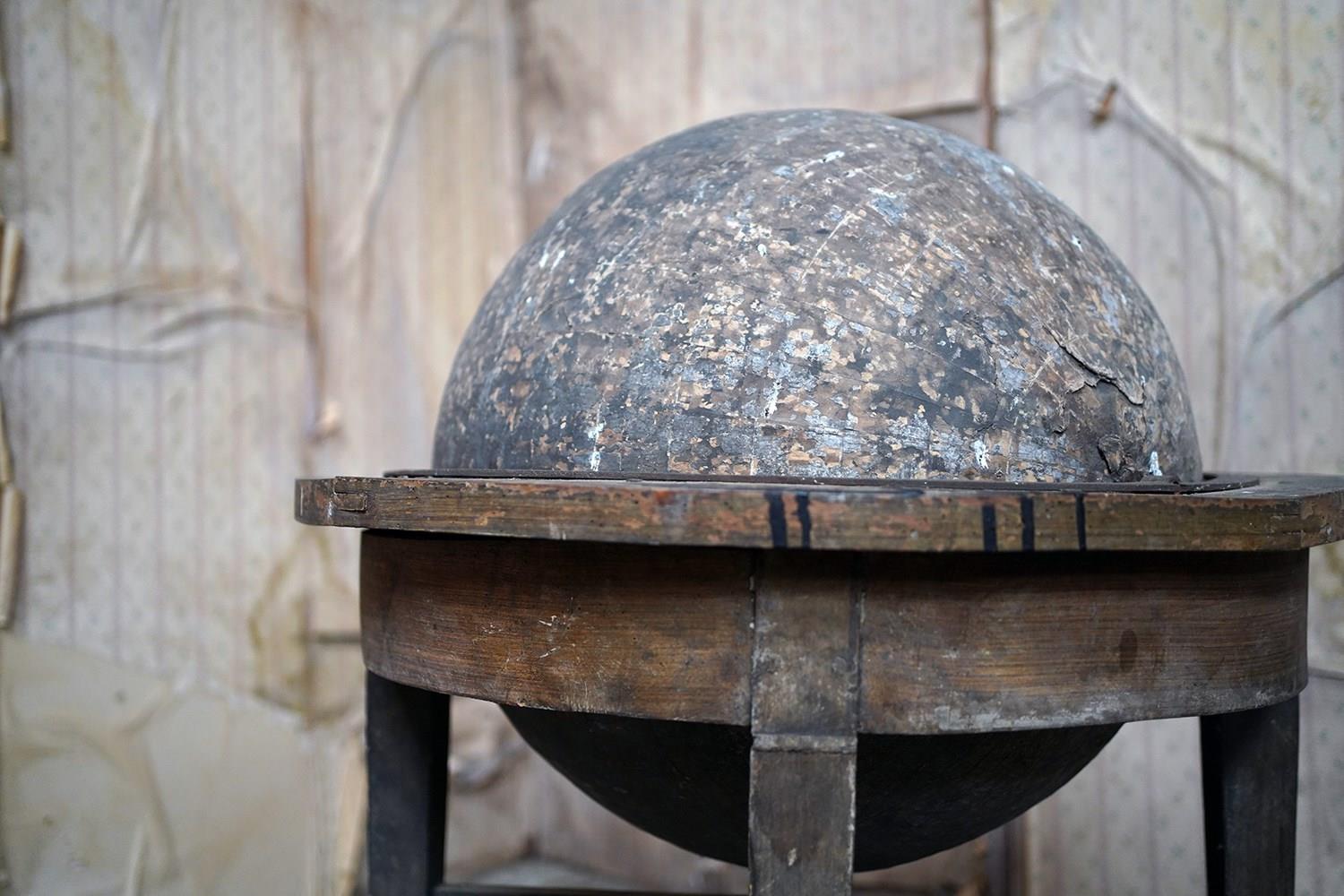
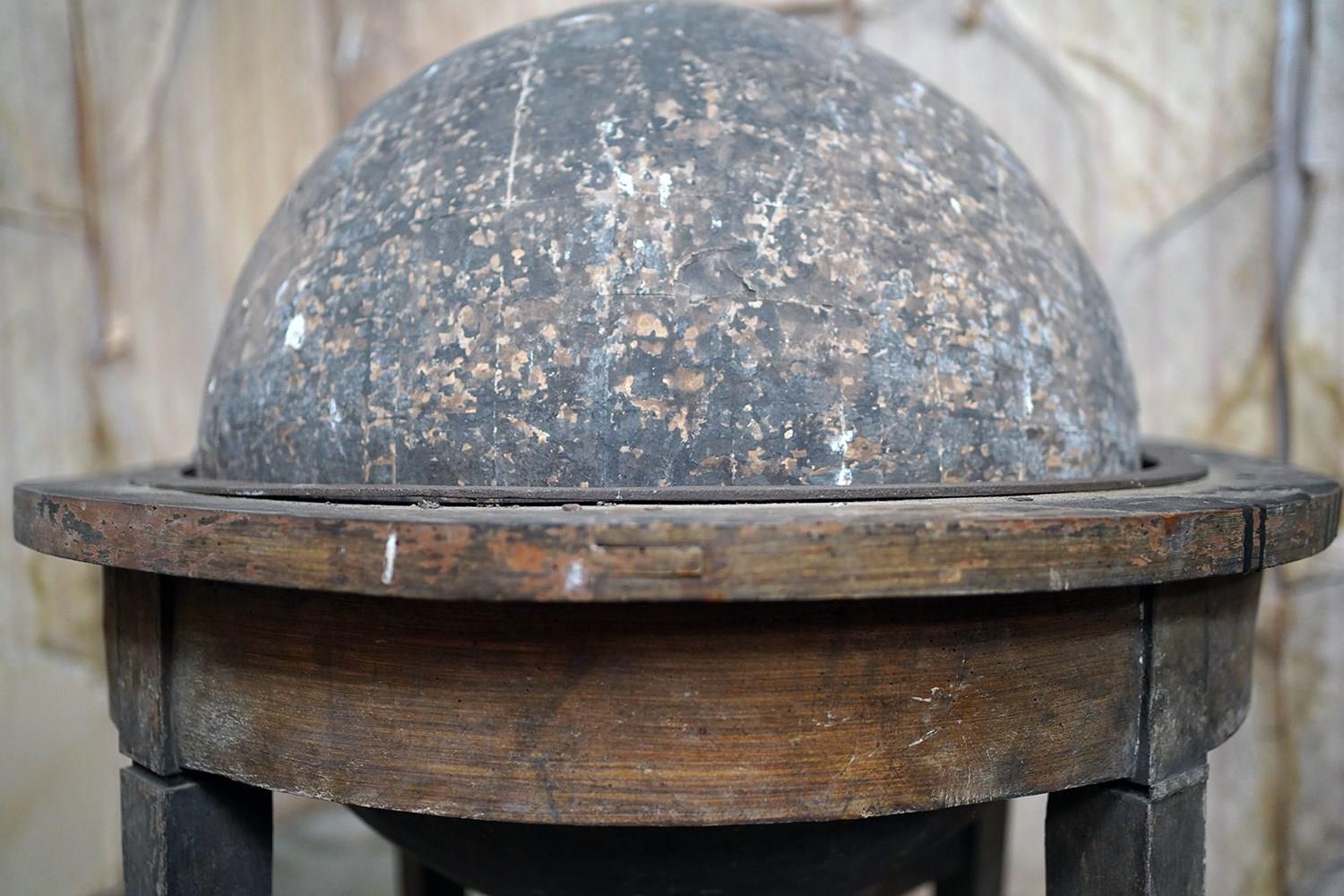
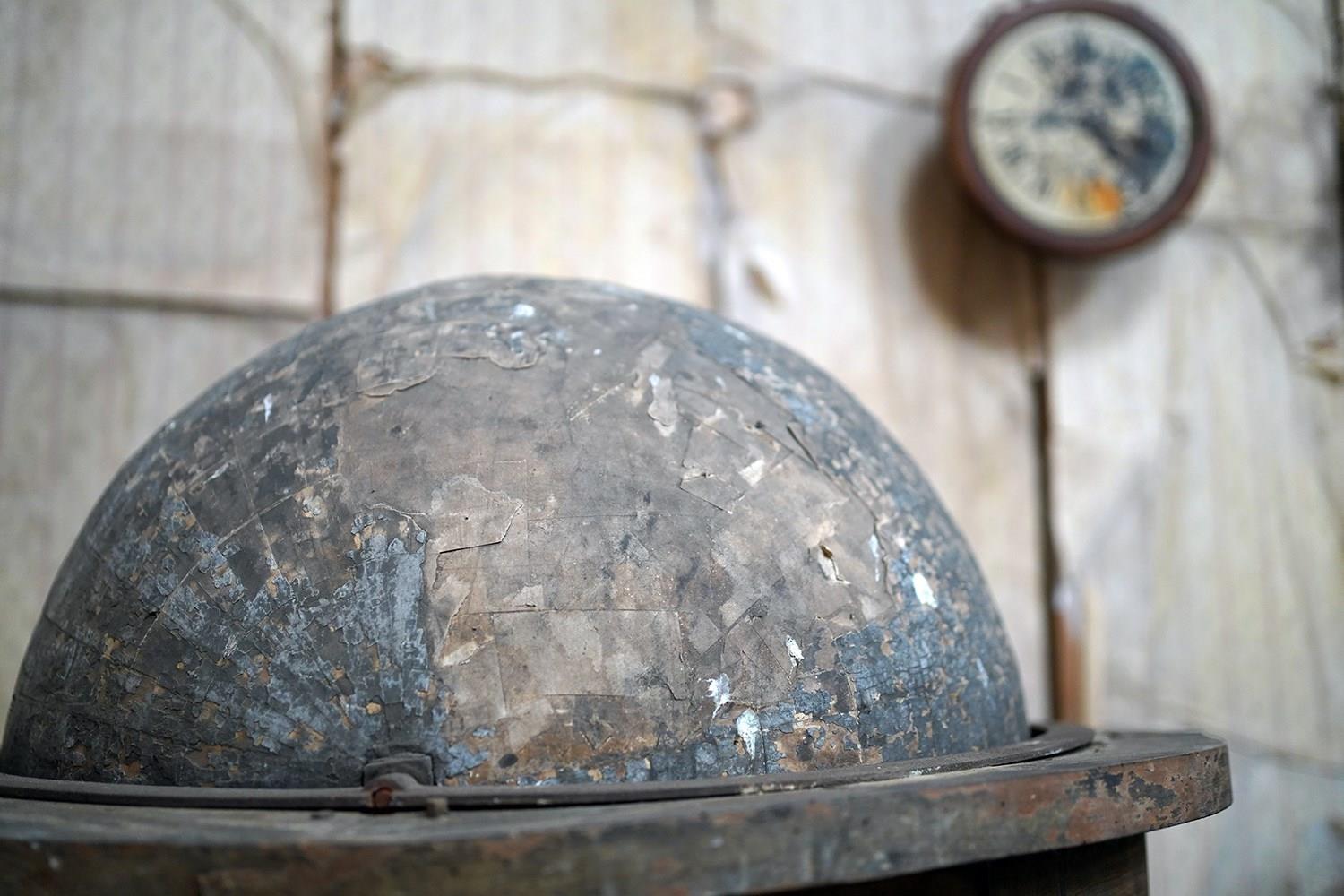
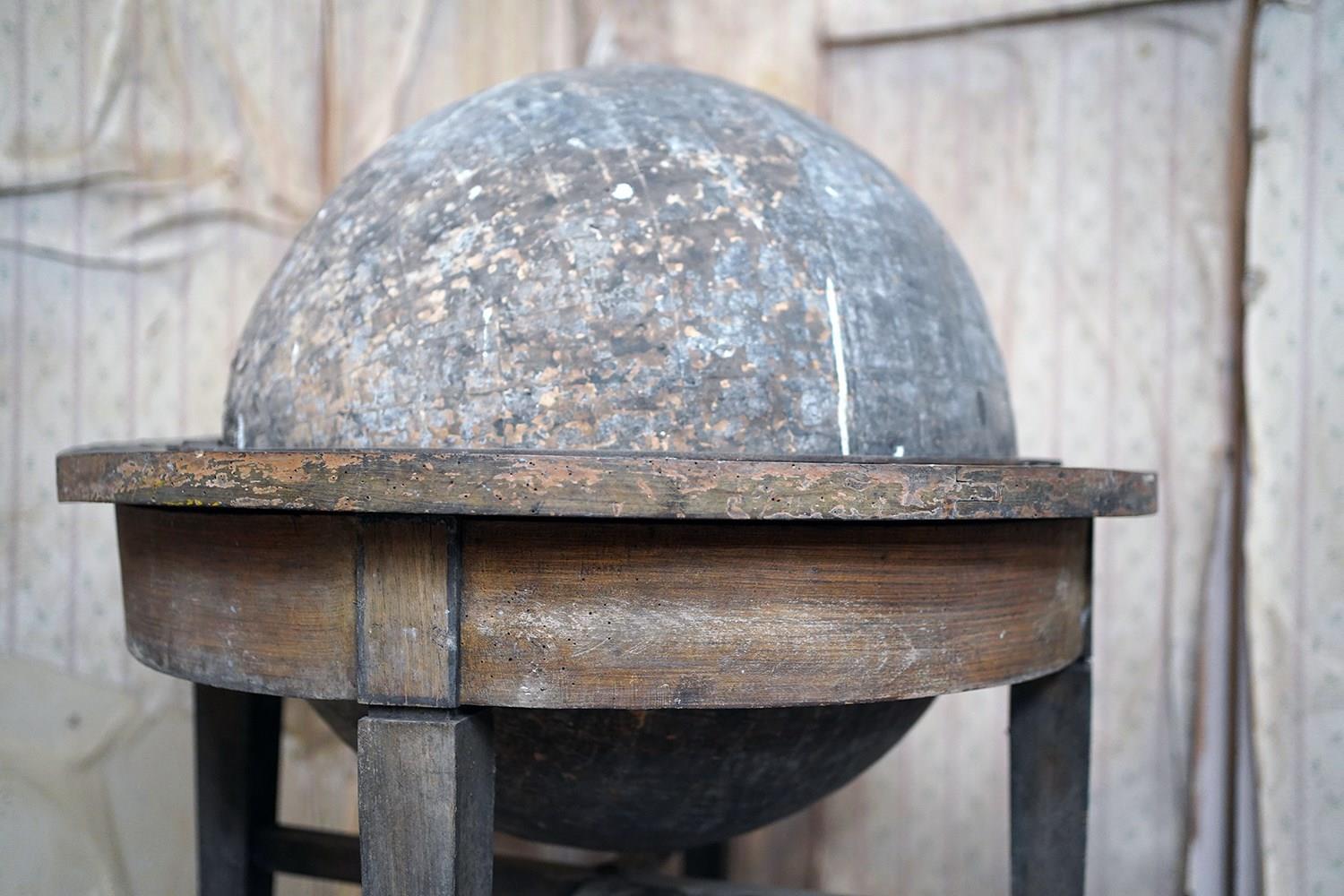
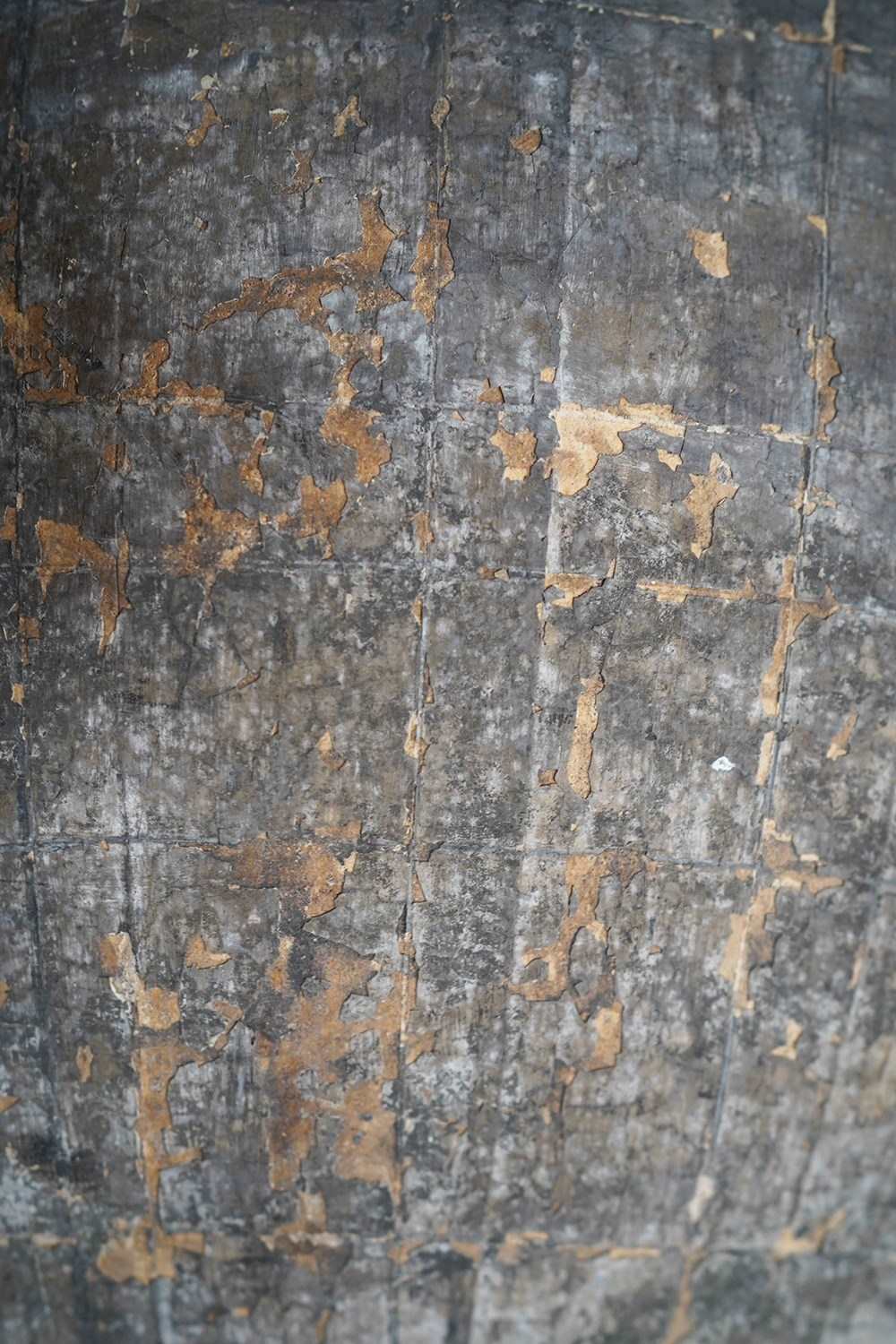
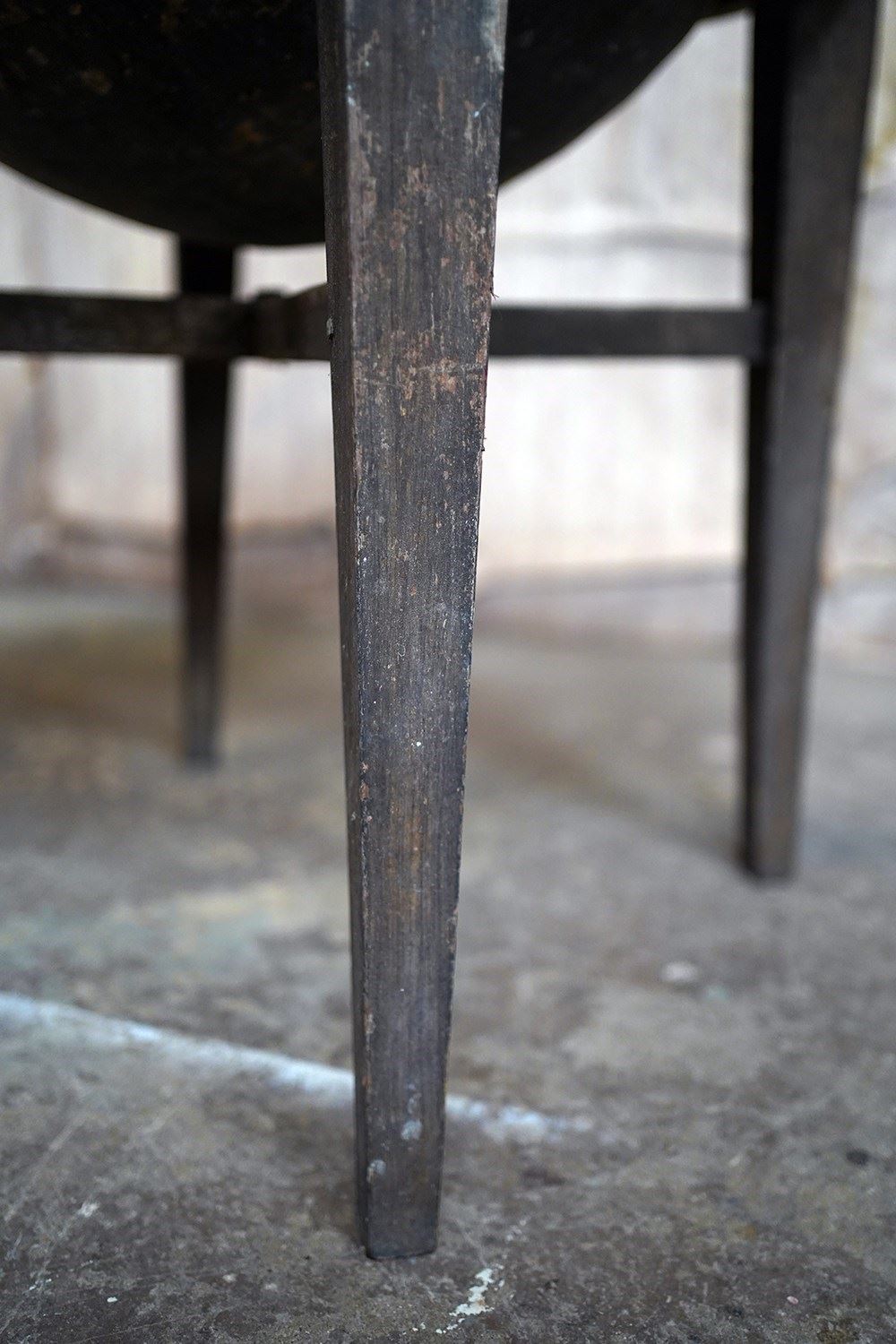
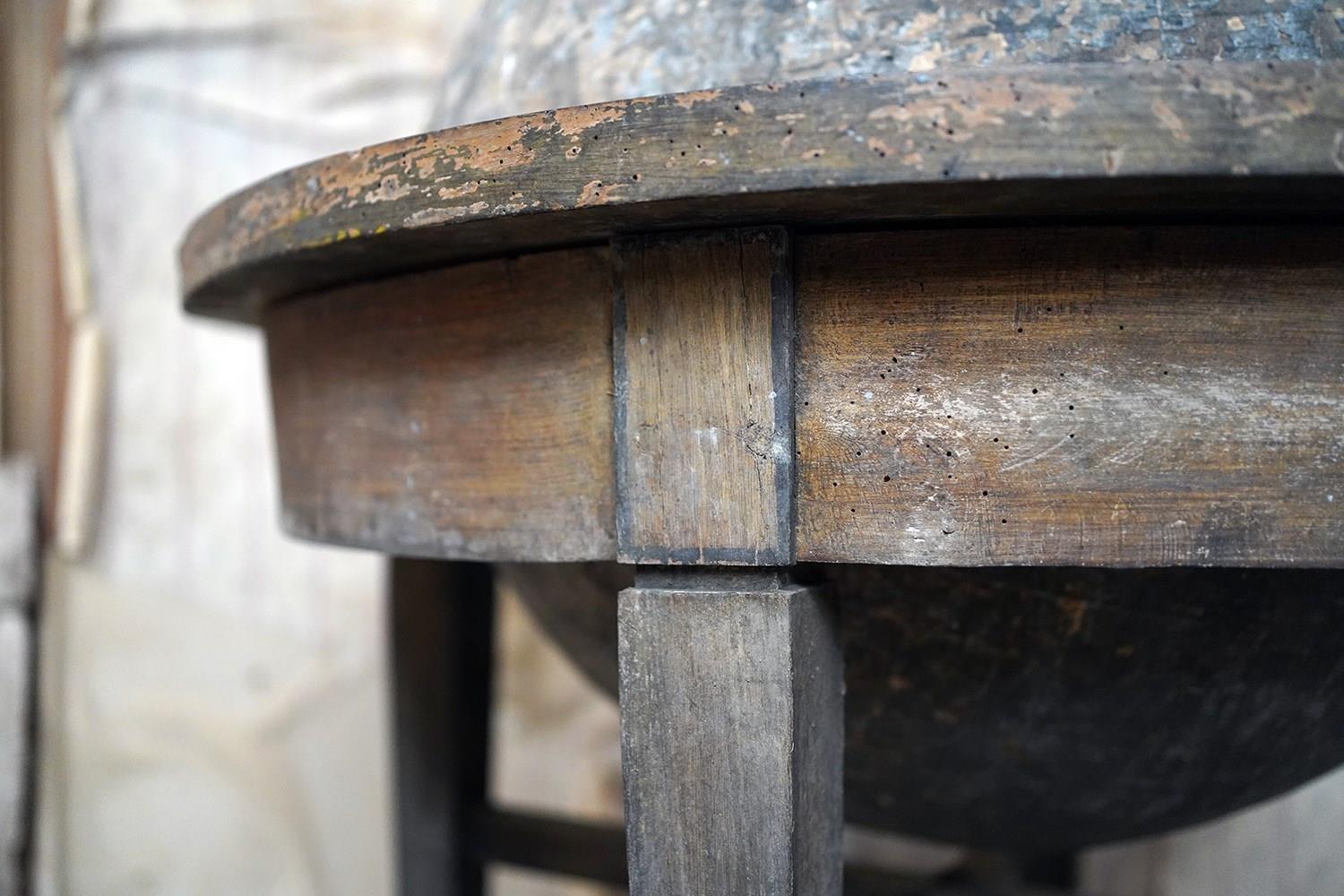
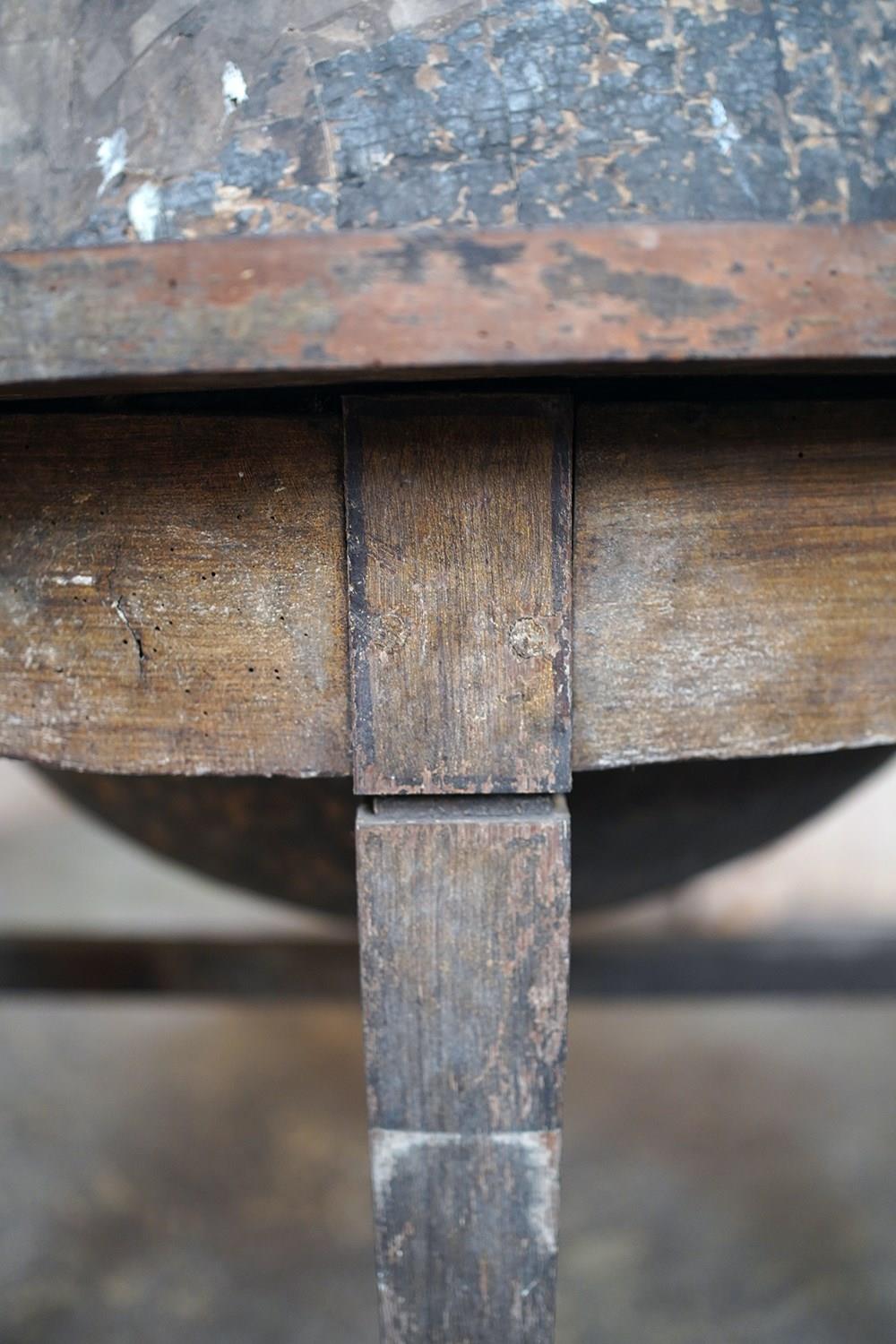
The extraordinary and unusually large antique terrestrial globe, in attic find condition, retaining fragments of its original engraved paper cartography and resting within a substantial primitive circular wooden horizon, the whole raised upon four square-section tapering legs united by simple cross-stretchers, the globe revolving freely within its stand and outer iron rim, and possessing a remarkably primitive and architectural character. the otherworldly surface has acquired a beautiful and planet like patchwork of faded geographical detail, darkened paper and exposed underlying layers and centuries of accumulated wear, now acting more of a sculpture and an imposing one at that.
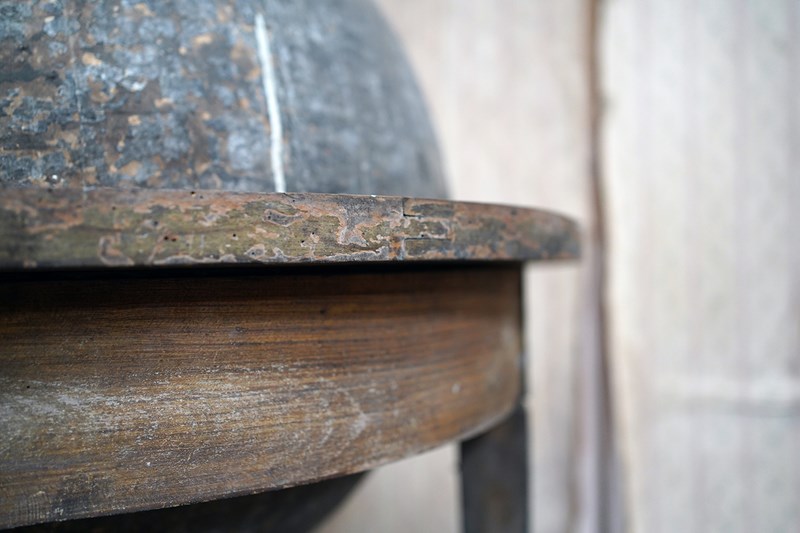
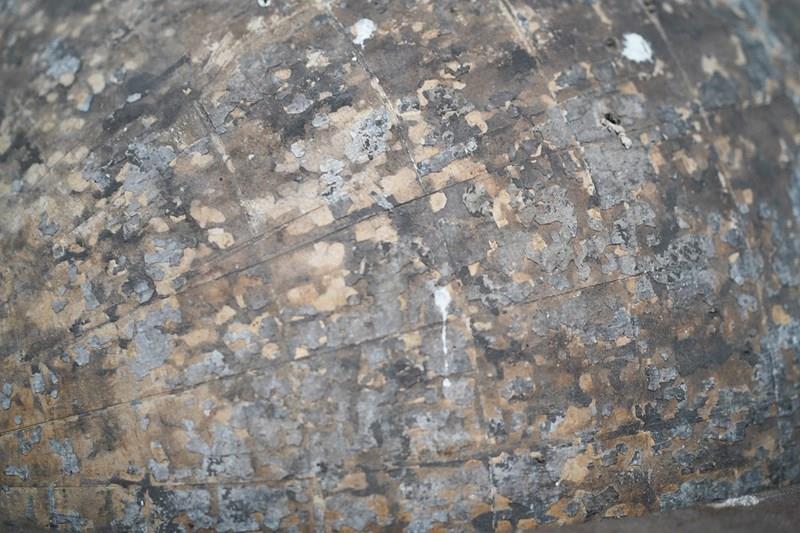
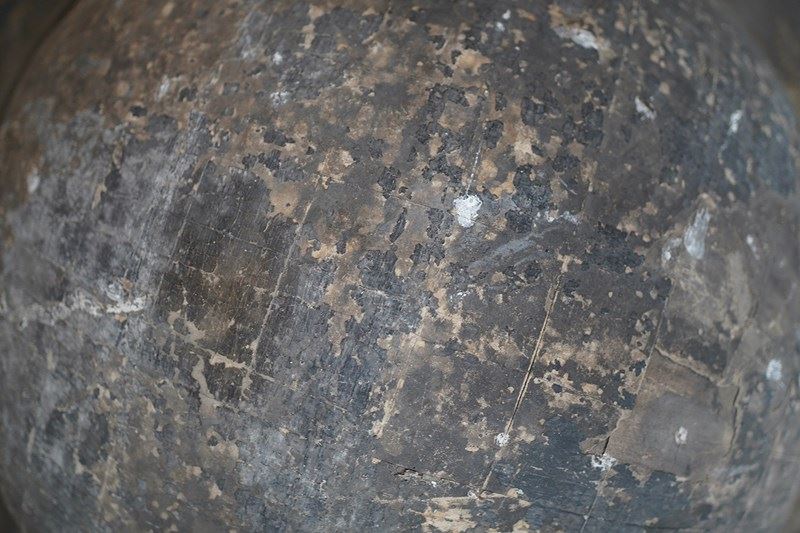
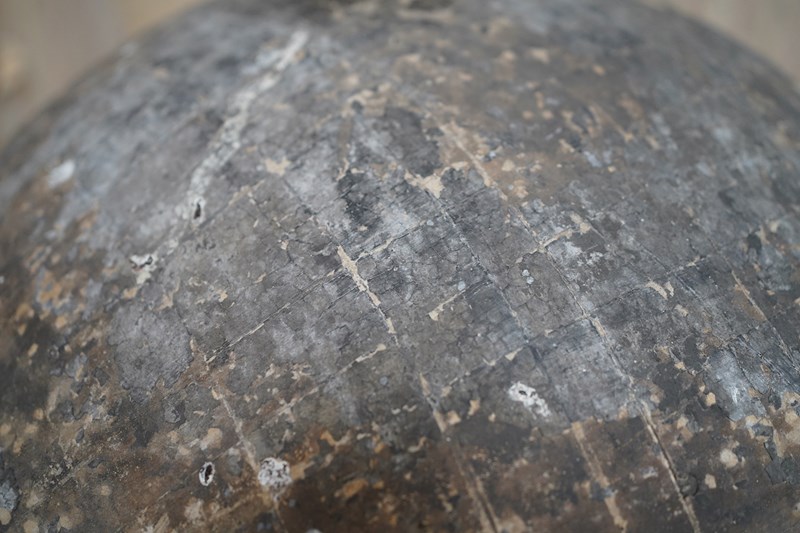
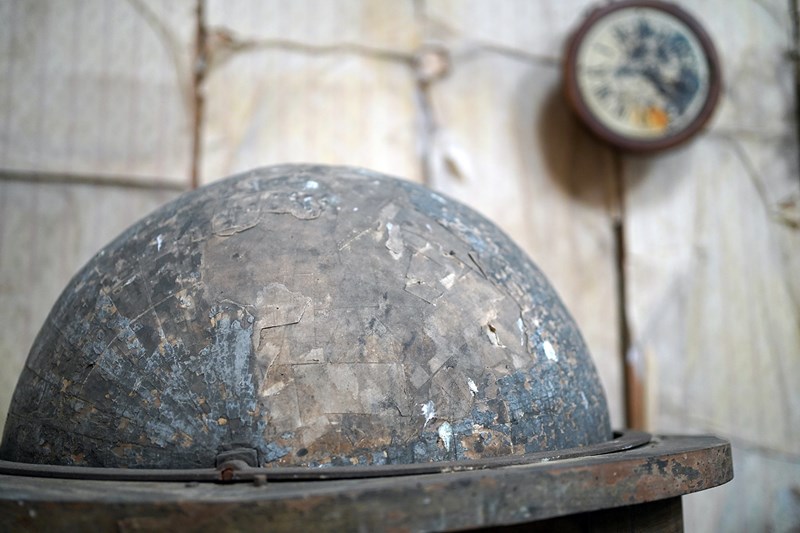
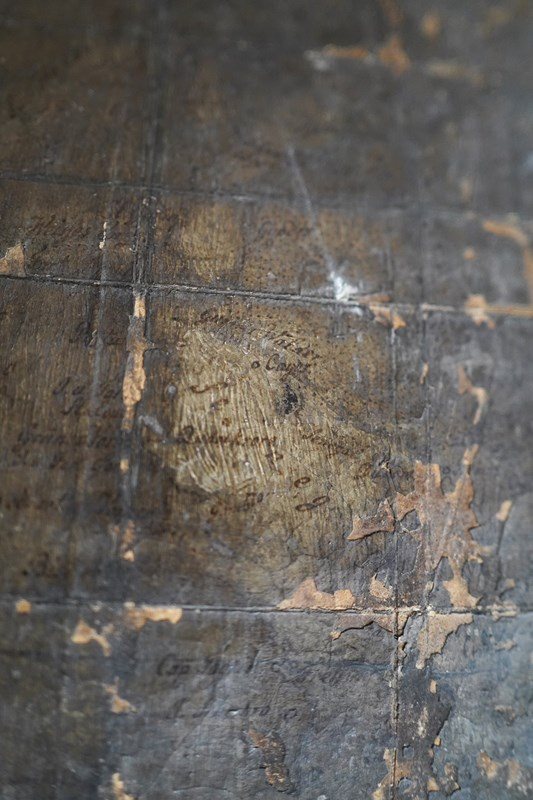
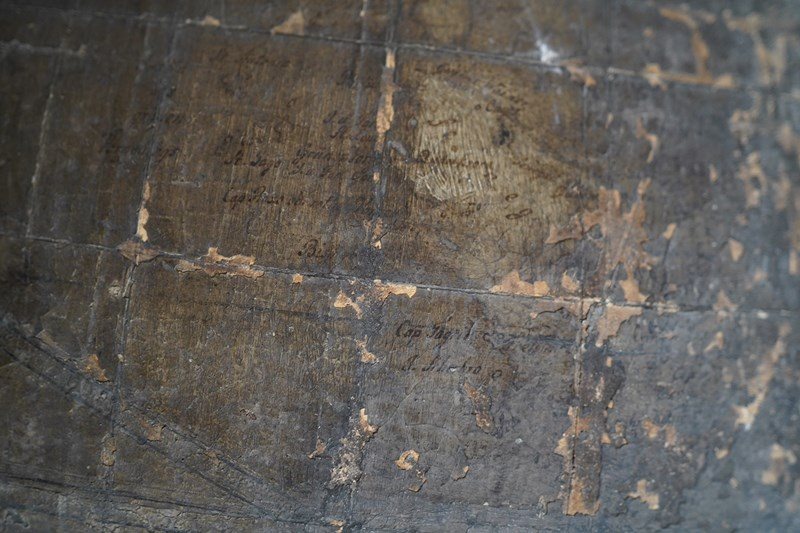
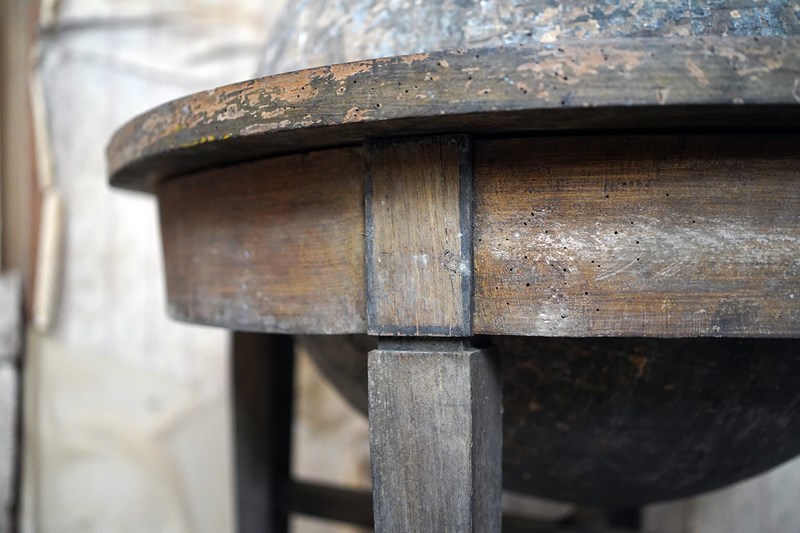
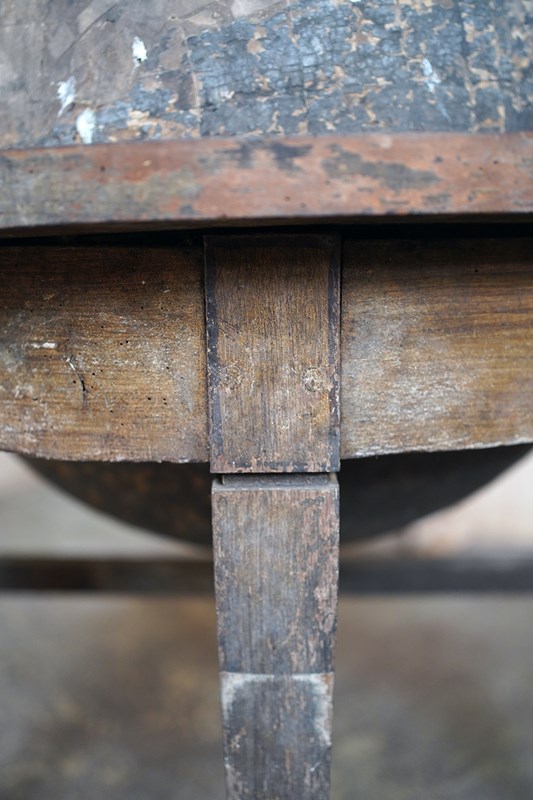
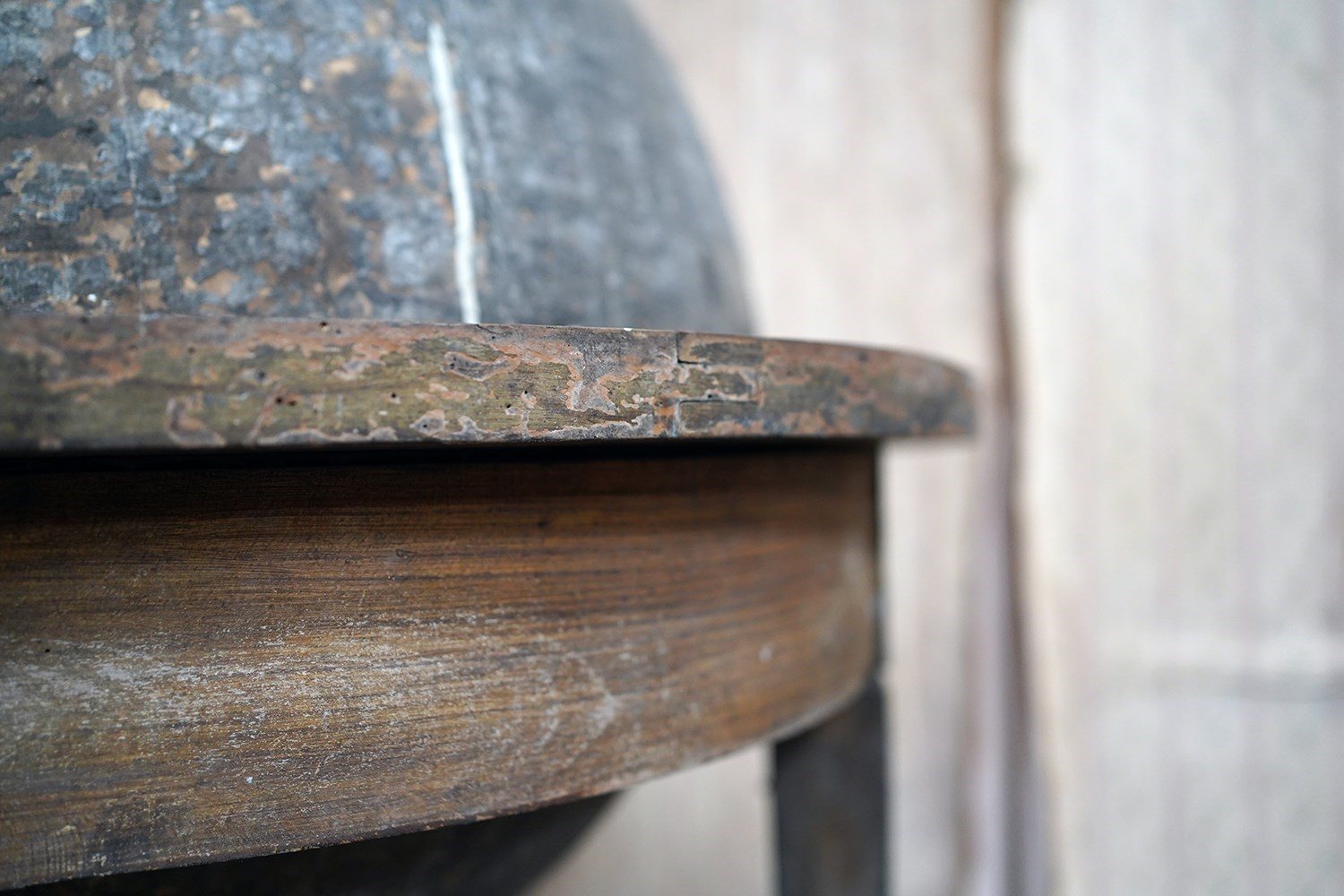
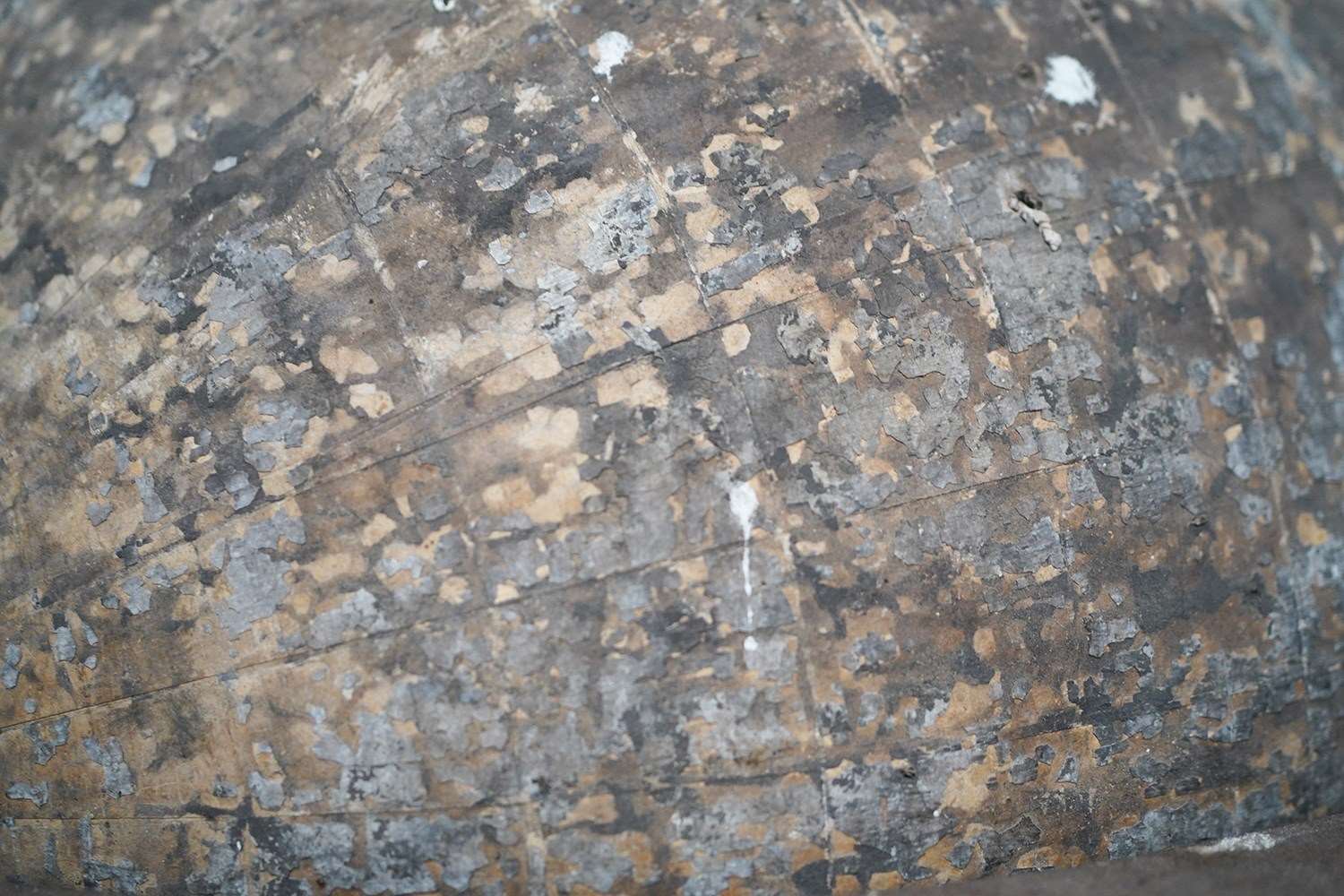
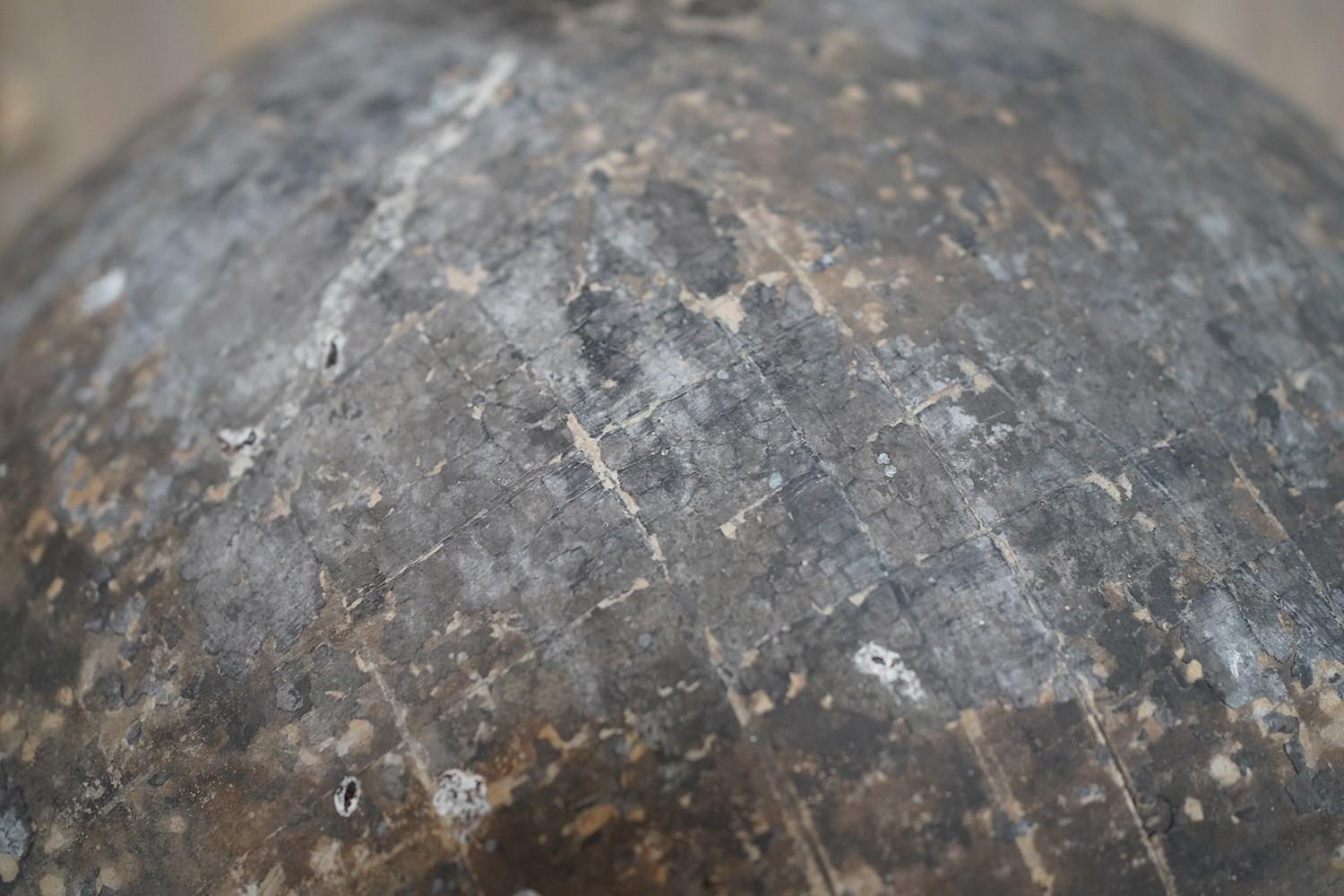
In extensively weathered and unrestored condition, with widespread losses, lifting, cracking and deterioration to the original paper gores, much of the geographical information now obscured or entirely lost. Nevertheless, isolated inscriptions, fragments of coastlines and geographical markings remain discernible across the surface. The wooden stand exhibits considerable age, wear, historic wormholes, losses to its original surface and evidence of historic construction and repair, all contributing to its wonderfully evocative appearance. There are remnants of painted detail to the stand, mimicking decorative and expensive inlays. She was discovered in an attic in the northern part of the Netherlands.
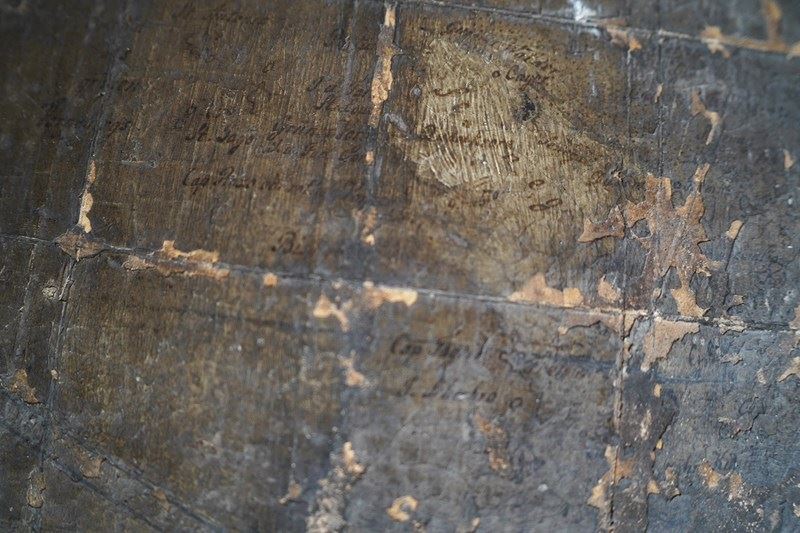
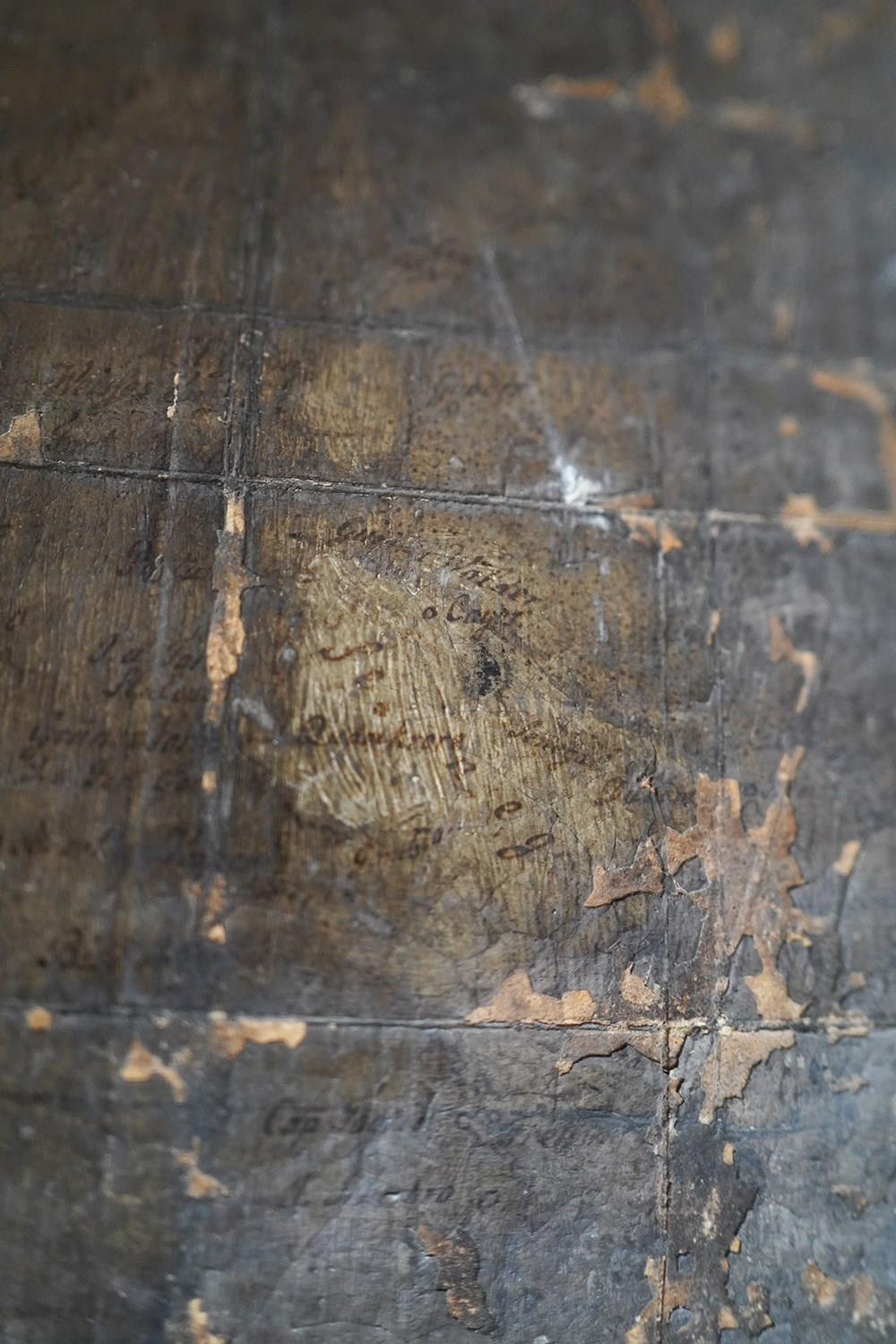
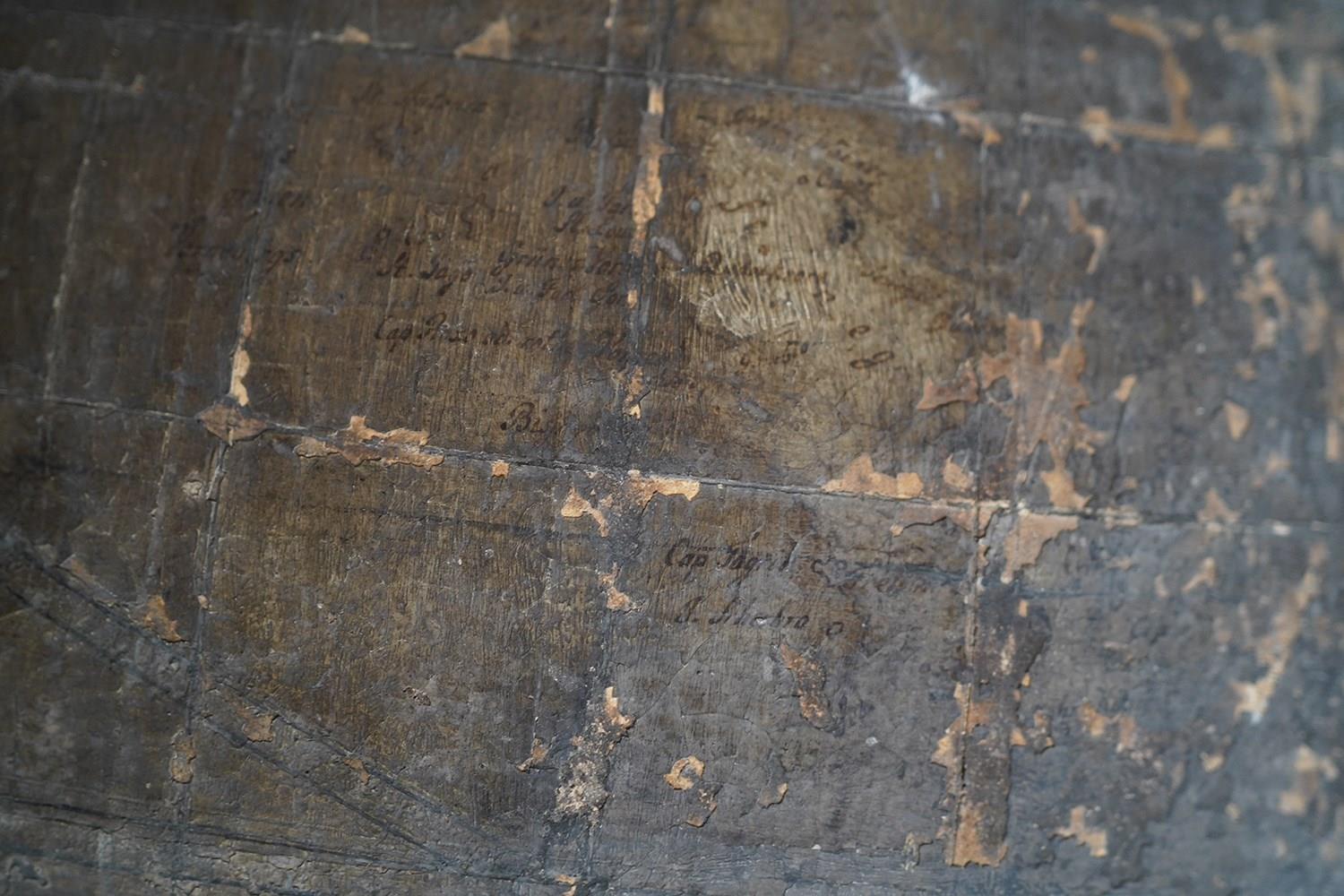
Terrestrial globes of this considerable scale were substantial and costly objects, produced for educational, scientific and decorative purposes. Although the precise maker and date of this example remain unidentified, the surviving cartographic inscriptions include possible references to historical Atlantic place names, inviting further investigation into its geographical origins. The unusually straightforward construction of the stand is especially appealing, quite unlike the more elaborate turned and polished supports commonly associated with traditional library globes.
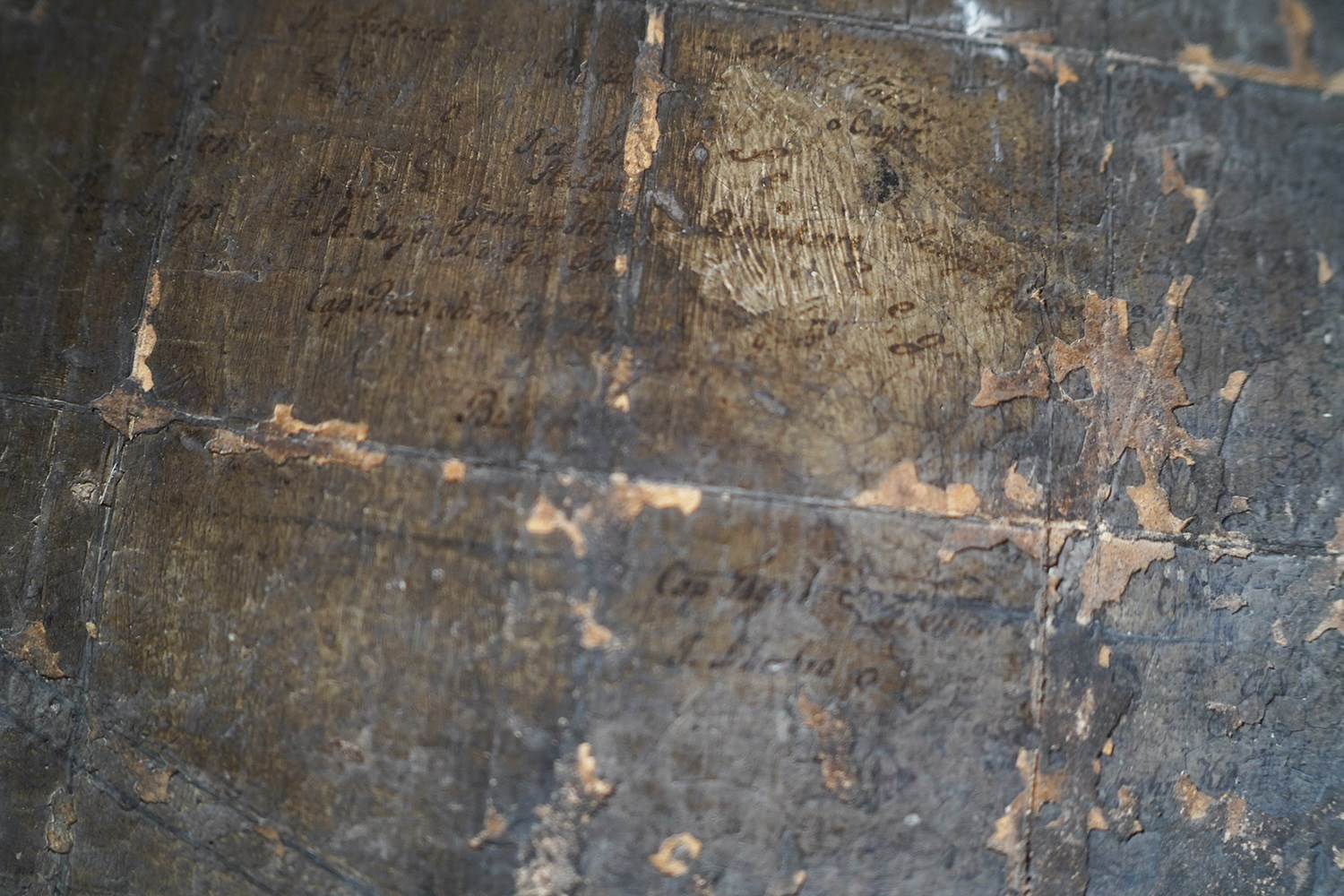
Among the surviving geographical inscriptions, several historical place names can still be partially deciphered, including ‘St. Antonio’ and ‘St. Jago’, possibly referring to the Cape Verde islands of Santo Antão and Santiago. Further fragmentary inscriptions appear to read ‘Guodes’, ‘Quart krere’, ‘Cap Fagris’ and ‘J. Srherbra’, the latter potentially referring to Sherbro Island off the coast of Sierra Leone. Although these readings remain provisional, they offer tantalising glimpses of the globe’s original cartography and may eventually assist in establishing its precise date and geographical origins.
A truly exceptional decorative centrepiece; remarkable for its monumental presence, sculptural simplicity and extraordinarily timeworn surface. Far removed from the conventional appearance of an antique globe, this is a compelling survival whose faded cartography and primitive wooden structure possess an authentic haunting beauty making it a truly breathtaking statement piece for an atmospheric interior.
Item Info
Seller
Seller Location
Olney, Buckinghamshire
Item Dimensions
H: 104cm D: 81cm
Period
c.1780
Item Location
United Kingdom
Seller Location
Olney, Buckinghamshire
Item Location
United Kingdom
Seller Contact No
+44 (0)7729 213013